Nana Banana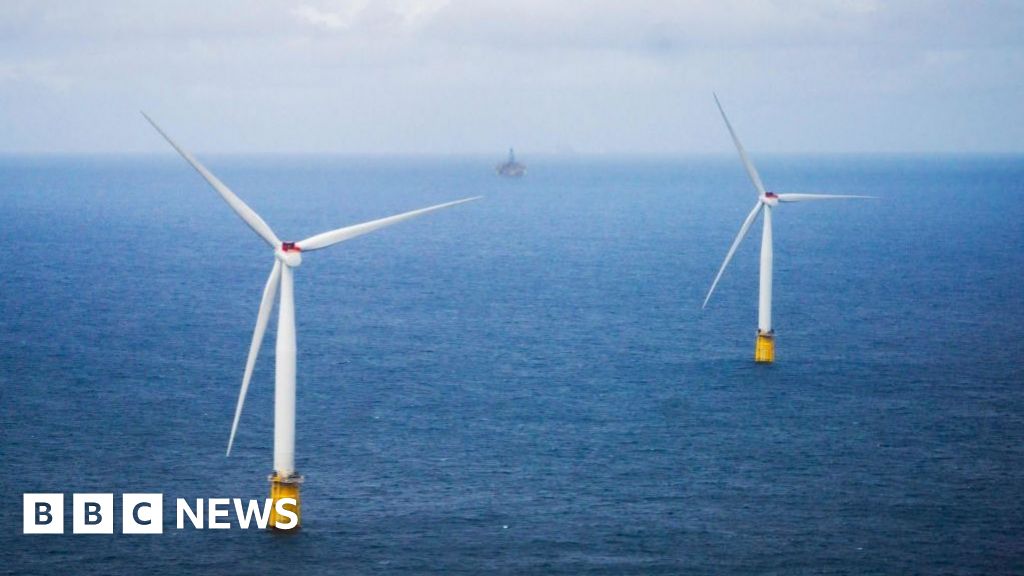
The British government has framed this landmark deal as a crucial step towards strengthening national and regional energy independence, offering a vital escape from what it terms the "fossil fuel rollercoaster." This phrase encapsulates the volatile global energy markets, which have been dramatically impacted by geopolitical events like the war in Ukraine, leading to unpredictable price spikes and supply chain disruptions that directly affect consumer bills and economic stability. By diversifying energy sources and reducing reliance on imported fossil fuels, the participating nations aim to create a more stable and resilient energy landscape.
A pioneering aspect of this initiative is the innovative design of some of the new wind farms, which will be directly linked to multiple countries through advanced undersea cables known as "interconnectors." Unlike traditional interconnectors that merely connect national grids, these "hybrid" projects will integrate power generation directly into a shared network, allowing electricity to flow more efficiently across borders. Proponents argue that this multi-country connectivity will lead to lower electricity prices across the entire North Sea region by optimizing supply and demand, ensuring power is directed where it is most needed and reducing wastage.
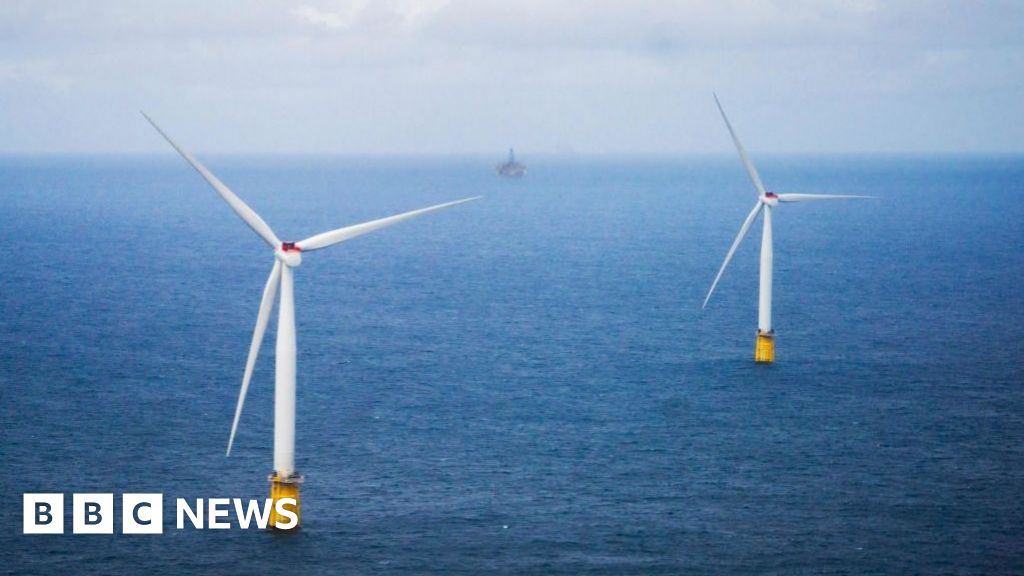
However, the revolutionary nature of these multi-country interconnectors also introduces potential complexities and controversies. Critics express concerns that wind farm operators could gain the ability to "shop around" between countries, selling their generated power to the highest bidder. This market mechanism, while potentially maximizing profits for developers, could inadvertently drive up electricity prices in specific regions, particularly during periods of tight supply when demand outstrips local generation. Balancing market incentives with consumer protection will be a critical challenge for regulators and policymakers involved in the project.
The formal declaration cementing this commitment is expected to be signed on Monday by Energy Secretary Ed Miliband at a high-level meeting in Hamburg, Germany. This summit, focused on the future of the North Sea as Europe’s green power plant, underscores the strategic importance of the region for renewable energy generation. The agreement sets an ambitious target for the scheme’s completion by 2050, envisioning a comprehensive network of interconnected offshore wind farms transforming the North Sea into a powerhouse of clean energy.
Industry leaders have largely welcomed the agreement. Jane Cooper, deputy CEO of the influential industry body RenewableUK, enthusiastically stated that the deal would "drive down costs for billpayers" by creating a more efficient and integrated energy market. She further emphasized its role in significantly increasing "the energy security of the UK and the whole of the North Sea region." This perspective highlights the dual benefits of economic efficiency and strategic resilience.

Conversely, political opposition has voiced caution regarding the pace and potential costs of this transition. Claire Countinho, the shadow energy secretary, issued a warning about the broader implications, asserting that "we cannot escape the fact that the rush to build wind farms at breakneck speed is pushing up everybody’s energy bills." This sentiment reflects concerns over the substantial upfront investment required for such large-scale infrastructure projects and how these costs might ultimately be passed on to consumers.
Existing interconnector technology already plays a crucial role in Europe’s energy landscape. The UK, for instance, currently boasts ten such cables connecting its electricity grid with those of other European nations. Most energy economists concur that an increase in these cross-border connections generally leads to reduced costs and enhanced security of supply by allowing for the efficient sharing of power surpluses and deficits. The UK National Grid, a key operator, recently published a report suggesting that integrating wind farms directly into these multi-country arrangements could significantly cut "constraint payments"—fees paid to wind farms when they are instructed to halt generation due to grid congestion. Furthermore, National Grid reported that UK consumers have already benefited from savings of approximately £1.6 billion since 2023 through its nine existing undersea cables linking the UK with Europe. These cables help mitigate price spikes by allowing the cheap import of surplus energy generated off-peak in different time zones.
However, the experience with interconnectors has not been without controversy in all participating nations. Norway, for example, has faced domestic concerns that exporting electricity to foreign countries could diminish supplies for Norwegian consumers and consequently drive up their electricity prices. In response, the Norwegian government implemented new regulations to restrict electricity exports when there is a risk to domestic supply, illustrating the delicate balance between international energy trade and national energy sovereignty. Norway also notably refused permission for a new interconnector project to Scotland, highlighting potential points of friction even within broad cooperative frameworks.
Beyond energy production, the summit in Hamburg is also addressing critical security aspects. NATO and the European Commission are actively participating, reflecting heightened concerns over the vulnerability of offshore energy infrastructure. Pledges are expected to be made to strengthen the security protocols and surveillance of these vital assets, particularly in light of increasing geopolitical tensions and observed instances of sabotage or unsafe maritime activity in sensitive areas. The protection of undersea cables and wind turbines from malicious acts is becoming an integral part of broader national security strategies.
The agreement serves as a powerful reaffirmation of Europe’s unwavering commitment to wind power, even in the face of renewed criticism from figures like former US President Donald Trump, who has consistently attacked what he derisively calls "windmills" during speeches, including a recent one at the World Economic Forum in Davos. His arguments often focus on the perceived inefficiency, high cost, and visual impact of wind farms, contrasting sharply with Europe’s strategic embrace of renewable energy.
This new deal builds upon a prior commitment made three years ago by North Sea countries to develop 300 gigawatts (GW) of offshore wind capacity. Crucially, the latest agreement specifies that 100 GW of this ambitious total will be jointly developed, with a significant interim target of 20 GW expected to be operational by 2030. This joint development approach emphasizes shared responsibility and coordinated infrastructure planning across the region.
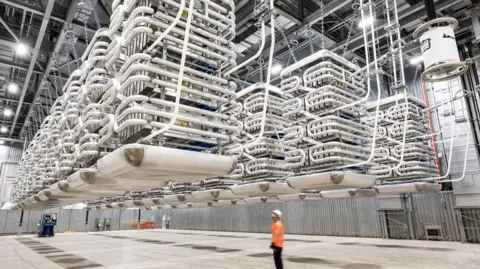
Globally, China currently leads the world in offshore wind capacity, boasting 43 GW out of a total global installed capacity of 83 GW, according to a report from RenewableUK last year. The United Kingdom ranks second, with nearly 16 GW already in operation, underscoring its leading position in this burgeoning industry. The UK government has further demonstrated its commitment by awarding contracts for an additional 20 GW, including a record-breaking 8.4 GW secured in a recent bidding round earlier this month.
The domestic political landscape in the UK reflects varied opinions on the rapid expansion of offshore wind. The Conservative Party has faced criticism for allegedly "locking in" high offshore wind prices through certain contract mechanisms, raising questions about value for money for taxpayers and consumers. Reform UK, a smaller party, has consistently attacked the overall cost of net zero policies, advocating for a more cautious approach. In contrast, the Liberal Democrats and the Green Party are staunch supporters of expanding renewables, viewing it as essential for tackling climate change, fostering green jobs, and driving economic growth. Meanwhile, the Scottish National Party (SNP) and Plaid Cymru, the Welsh nationalist party, also back the growth of offshore wind but advocate for greater devolved control over their respective nations’ energy resources, seeking to maximize local economic benefits and decision-making power.
Additional reporting by Miho Tanaka contributed to this article.




 George Anjay
 Ramos Leo
 Nakalama John