Nakalama John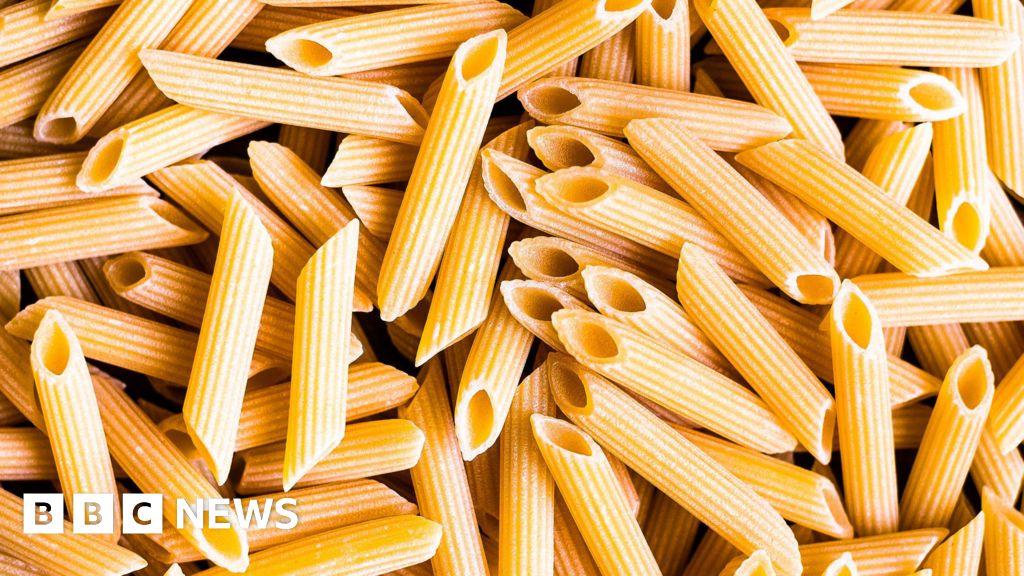
The initial proposal, stemming from allegations of unfair trade practices, particularly "dumping," had cast a long shadow over the transatlantic food trade. The US Commerce Department had previously accused these Italian firms of selling their products at "less than normal value" in the American market, a practice that undercuts domestic producers and is considered a violation of international trade rules. To counter this, the Trump administration had threatened an astonishing tariff rate of nearly 92%, specifically 91.74%, on imports from the identified companies. This punitive measure, combined with an existing 15% tariff on most products imported into the US from the European Union, would have pushed the total tax rate on Italian pasta above 100%, effectively doubling its cost for American buyers.
However, a pivotal announcement on Thursday from the Italian foreign ministry signaled a dramatic reversal. The ministry confirmed that the proposed tariff rate had been significantly wound back, marking a diplomatic and economic victory for Italy. This development was echoed by the US Commerce Department, which, in a statement given to CBS News, the BBC’s US partner, indicated that its "post-preliminary analysis indicates that Italian pasta makers have addressed many of Commerce’s concerns raised in the preliminary determination." This acknowledgement suggests that constructive engagement and cooperation from the Italian companies played a crucial role in mitigating the severity of the proposed tariffs.
The initial tariff threat was deeply rooted in US President Donald Trump’s broader trade philosophy, which he has consistently championed since his return to the White House. His administration has embarked on a wide-ranging program of these import taxes, fundamentally aimed at addressing what he perceives as harmful trade practices by foreign nations and bolstering American manufacturing and industries. Trump’s "America First" agenda frequently prioritizes domestic production and seeks to level the playing field for US companies by penalizing what he deems unfair competition from abroad.
However, economists across the political spectrum have consistently voiced strong warnings about the potential repercussions of such protectionist measures. They argue that while tariffs might initially appear to protect domestic industries, they ultimately drive up costs for consumers, as the burden of the tax is typically passed down the supply chain. This can exacerbate cost-of-living issues, reduce consumer purchasing power, and potentially trigger retaliatory tariffs from affected countries, leading to broader trade wars that harm global economic growth. In the case of pasta, the fear was that American families, already grappling with inflation, would face even higher grocery bills for a staple food item.
The specific accusation against Italian pasta producers was "dumping," a practice where a company exports a product at a price lower than the price it normally charges in its own home market, or lower than its cost of production. The US Commerce Department’s investigation concluded that Italian-made pasta was indeed being sold at "less than normal value" in the US, thereby undercutting local American pasta producers. This finding laid the groundwork for the steep 91.74% tariff rate, designed to offset the perceived unfair pricing advantage.
The prospect of such exorbitant tariffs had sent shockwaves through the Italian food industry and posed a significant political challenge for Italian Prime Minister Giorgia Meloni. Meloni, who maintains a relatively close working relationship with Donald Trump compared to many other European leaders, found herself in a delicate diplomatic position. The tariffs, if implemented, would have not only strained economic ties but also tested the personal rapport between the two leaders. The subsequent reduction in tariffs can be seen as a testament to successful bilateral negotiations and a strategic win for Meloni’s administration, allowing her to avoid a major trade dispute with an important ally. The Italian foreign ministry’s statement explicitly acknowledged this, praising the "constructive co-operation shown by Italian companies" as a key factor in the US authorities’ decision.
The revised tariff rates offer a stark contrast to the original proposal, providing considerable relief. For one prominent brand, La Molisana, the tariff rate has been dramatically lowered to just 2.26%. Other affected companies will face slightly higher, though still substantially reduced, rates, capped at 13.98%. This range is a far cry from the near-doubling of prices that the initial 91.74% tariff would have caused. While the produce made by these 13 companies represents only a small share of total Italian pasta imported into the US, the symbolic impact of the initial threat was significant. It signaled a potential willingness by the Trump administration to apply aggressive trade measures even against close allies, particularly in sectors where domestic industries perceived themselves to be at a disadvantage. The softened stance, conversely, sends a message of flexibility and a willingness to engage when companies demonstrate compliance or address concerns.
The US Commerce Department’s spokesperson clarified the ongoing process, stating that "Commerce will continue to engage with interested parties to take into account all information before issuing the final determination." This indicates that while the preliminary determination has been adjusted, the door remains open for further dialogue and potential refinements before the tariffs are permanently finalized. This iterative process allows for a more nuanced outcome, rather than an immediate, inflexible imposition of the initially proposed rates.
This development is not an isolated incident within the current US administration’s trade policy. Several other Trump-era tariffs have also seen adjustments or postponements. For example, a planned increase in the tax charged on imports of furniture items was postponed for 12 months shortly before it was due to take effect on New Year’s Day. This deferral provided temporary relief to importers and consumers in the furniture sector. Furthermore, in November, President Trump signed an executive order that allowed certain key food products, including coffee, bananas, and beef, to escape his tariffs altogether. These exemptions suggest a pragmatic approach, possibly recognizing the essential nature of these goods or the severe impact tariffs could have on specific consumer bases or industries.
The softening of tariffs on Italian pasta, alongside these other adjustments, reflects a dynamic and sometimes evolving trade policy under the Trump administration. While the overarching goal of boosting American manufacturing and addressing unfair trade practices remains central, there appears to be a willingness to adjust punitive measures based on engagement, cooperation from foreign companies, and perhaps a recognition of the broader economic and political implications. For American consumers and Italian producers alike, the decision on pasta represents a significant reprieve, ensuring that this beloved staple remains accessible without becoming an unaffordable luxury due to trade disputes.



 George Anjay
 Ramos Leo
 Roy Suryo
 atisusanti