
 George Anjay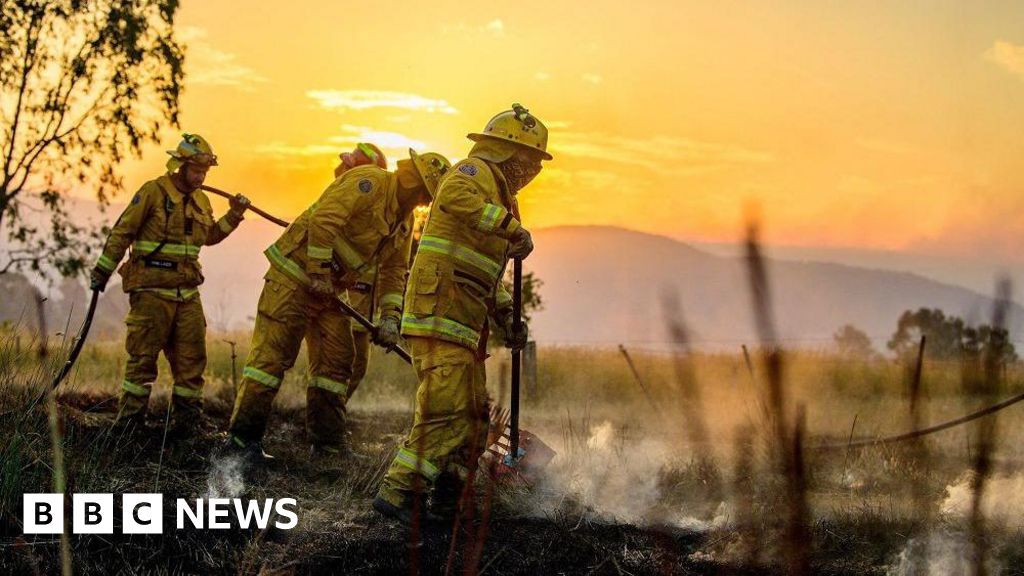
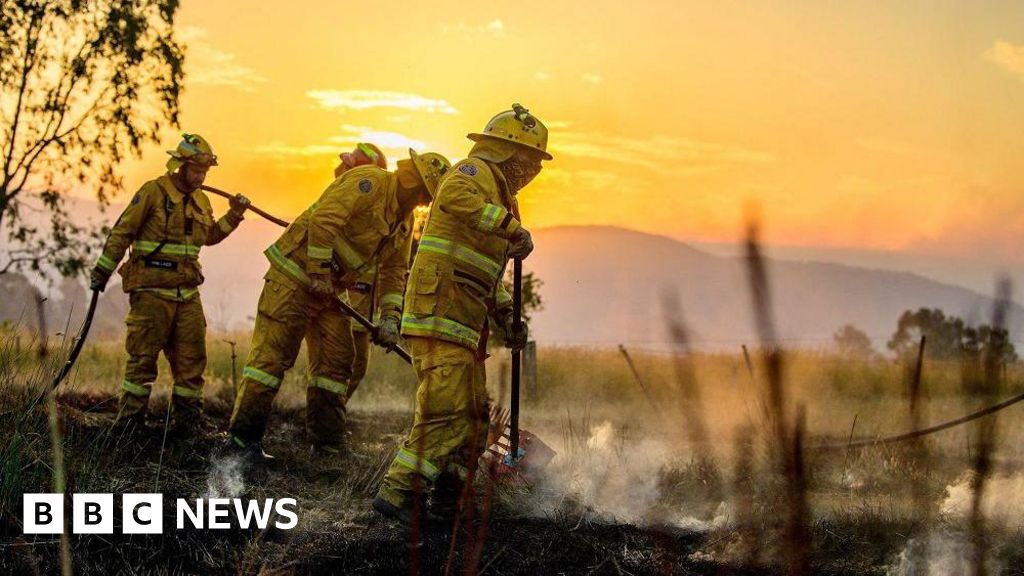
The extreme heat conditions are presenting "incredibly difficult" challenges for the brave firefighters working tirelessly to contain the infernos, as stated by Chris Hardman, Chief Fire Officer at Forest Fire Management Victoria. The two most critical fires are located in Camperdown and Otways, both designated at emergency level, while a newly emerged fire in the Larralea area is also generating "significant concern" among authorities. Jason Hefferman, Chief Officer of the Country Fire Authority (CFA), highlighted the potential danger of the Otways fire producing ember showers, a phenomenon that can create secondary fires ahead of the main fire front, further complicating containment efforts. While the full extent of the damage is still being assessed, Deputy Incident Controller Alistair Drayton indicated that there is "anecdotal evidence" suggesting some homes have already been lost to the flames, while commending the "spectacular" efforts of the firefighting teams to date. Victoria is currently under a total fire ban, a measure also implemented in South Australia, which is on alert for "extreme" fire risks.
Beyond the immediate threat of the fires, health officials have issued stark warnings about the significant health risks associated with the prolonged and intense heatwave. Victoria’s Chief Health Officer, Caroline McElnay, emphasized that vulnerable populations, including the elderly, children, and individuals with pre-existing health conditions, are at the highest risk. She cautioned that the extreme heat can lead to potentially fatal health issues such as heat exhaustion and heat stroke, and can also exacerbate existing conditions, triggering events like heart attacks or strokes.
The heightened risk of such extreme weather events, including heatwaves and bushfires, is unequivocally linked to human-caused climate change, according to scientific consensus. Global warming is demonstrably increasing the frequency and intensity of heatwaves worldwide. Australasia, in particular, has witnessed a discernible escalation in the occurrence and severity of heat extremes over the past few decades, as documented by the UN’s Intergovernmental Panel on Climate Change (IPCC). This recent heatwave follows a period of extreme heat in southeastern Australia in early January, where temperatures consistently surpassed 40 degrees Celsius. A rapid assessment conducted by scientists from the World Weather Attribution group concluded that the high temperatures experienced during that three-day period were rendered at least five times more likely due to the impacts of climate change.
While bushfires are a natural phenomenon in Australia’s climate, the current hot and dry conditions create an environment where fires can spread with alarming ease, potentially escalating into larger and more destructive blazes. The IPCC’s projections indicate that as the planet continues to warm, Australia can anticipate a further increase in these conducive "fire weather" conditions. This ongoing trend underscores the critical need for robust climate change mitigation strategies and enhanced bushfire preparedness measures to protect communities and ecosystems.
The current emergency level fires in Victoria are a stark reminder of the escalating threat posed by climate change. The Camperdown and Otways fires, in particular, are demanding the full attention of emergency services, with the Otways fire’s propensity to generate fire embers presenting a significant and immediate danger to surrounding areas. The Country Fire Authority (CFA) and Forest Fire Management Victoria are deploying all available resources, including ground crews and aerial support, to combat these infernos. The operational challenges are amplified by the extreme temperatures, which not only increase the risk of fire spread but also pose a direct threat to the well-being of the firefighters. Their dedication and courage in the face of such perilous conditions are paramount.
The "emergency level" designation signifies that the situation has reached a critical point where the risk to life and property is severe. Residents in the affected areas are being urged to follow the specific instructions provided by emergency services, which may include immediate evacuation orders to designated safe zones or advice to take shelter indoors and prepare for potential isolation. The dynamic nature of these fires means that conditions can change rapidly, and authorities are constantly monitoring wind shifts, temperature fluctuations, and fuel loads to predict fire behavior and adjust response strategies accordingly. The communication channels are vital, with ABC News and other local broadcasters playing a crucial role in disseminating real-time updates and emergency warnings to the public.
The broader implications of this heatwave extend beyond the immediate fire threat. The sustained high temperatures place immense strain on critical infrastructure, including power grids, which can be vulnerable to outages during peak demand. Water resources are also a concern, with increased demand for both firefighting efforts and public consumption. The impact on agriculture and livestock is also significant, with potential for widespread losses if the heatwave persists.
The scientific evidence linking climate change to more extreme weather events is robust and growing. The IPCC reports have consistently highlighted the increased likelihood of more intense heatwaves, prolonged droughts, and a greater frequency of bushfires in regions like Australia. The recent events in Victoria are a tangible manifestation of these projections, serving as a wake-up call for accelerated action on climate change mitigation and adaptation.
In response to the escalating crisis, state and federal governments are coordinating efforts to provide support to affected communities and emergency services. This includes the deployment of additional firefighting resources from other states and potentially international aid if the situation deteriorates further. The long-term recovery efforts will undoubtedly be substantial, encompassing not only the rebuilding of damaged infrastructure and homes but also the restoration of affected landscapes and ecosystems.
The health warnings issued by Victorian health officials are a critical component of the emergency response. Public awareness campaigns are likely to be intensified, emphasizing the importance of hydration, seeking cool environments, and checking on vulnerable individuals. The strain on healthcare services during such extreme heat events is considerable, with hospitals often seeing an increase in heat-related illnesses and exacerbations of chronic conditions.
The role of community resilience in the face of these challenges cannot be overstated. Local communities often play a vital role in supporting each other during emergencies, from sharing resources to providing emotional support. The preparedness of individuals and households, including having adequate emergency kits and evacuation plans, can significantly improve their safety and well-being during bushfire events.
The fires in Victoria are a stark reminder of Australia’s vulnerability to the impacts of climate change. The nation’s unique geography and climate make it particularly susceptible to extreme weather events. The ongoing scientific research and the increasing frequency of such devastating incidents underscore the urgency of transitioning to a low-carbon economy and investing in climate adaptation strategies. The "emergency level" blazes are not isolated incidents but rather part of a broader pattern of climate-induced extremes that demand a concerted and sustained global response. The work of firefighters on the front lines, battling these infernos, is a testament to human resilience and dedication, but it is also a call to action for a more sustainable future, where such extreme events are less likely to occur and communities are better prepared to face them. The long-term outlook for southeastern Australia, given the projected warming trends, suggests that these "fire weather" conditions will become more prevalent, necessitating a fundamental shift in how the country manages its landscapes and prepares for natural disasters. The current crisis serves as a critical juncture, demanding immediate and decisive action to address the root causes of climate change and build a more resilient future for Victoria and Australia as a whole. The "spectacular" work of the firefighters is a vital immediate response, but the long-term solution lies in confronting the escalating climate crisis.



 Ramos Leo
 Nakalama John

 atisusanti