
 Ramos Leo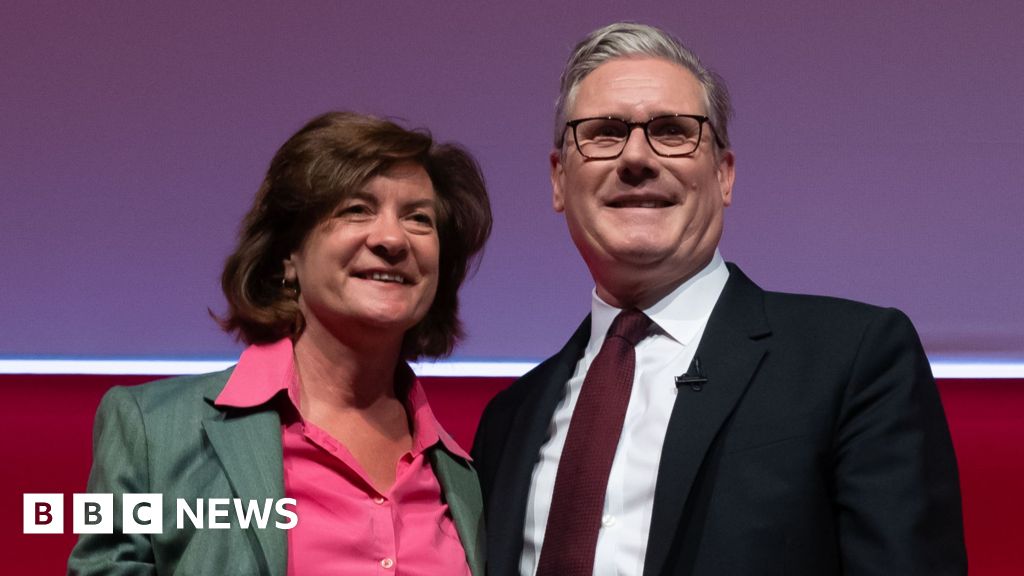
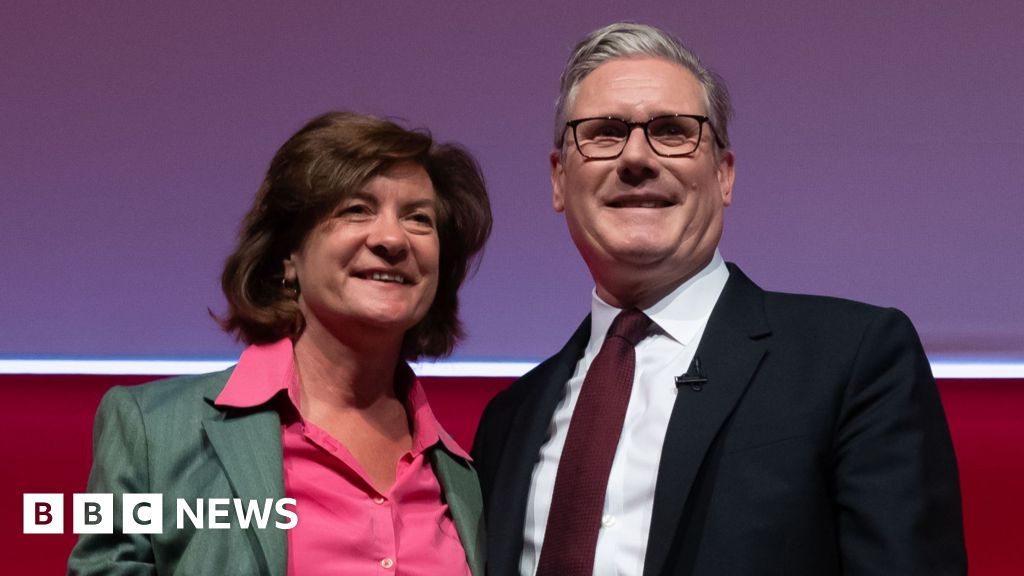
Morgan’s comments, made during an interview on BBC Radio 4’s Today programme on Wednesday, underscored a clear message to the Welsh electorate: the Senedd election is not an opportunity for a "free hit" against the UK government, nor is it a time for "protest votes." Instead, she emphasized, the focus must be on "who is going to deliver those services that people rely on in Wales." This tactical framing seeks to insulate Welsh Labour from any potential negative sentiment towards the national party leader or his policies, while simultaneously emphasizing the distinct responsibilities and powers of the Welsh Parliament.
When pressed repeatedly on whether she considered Sir Keir Starmer a "good prime minister," Morgan artfully dodged the direct question, reiterating her position that his name would not appear on Welsh ballot papers. This stance is a crucial element of Welsh Labour’s campaign strategy, designed to differentiate itself from its UK counterpart and underscore its commitment to Welsh-specific concerns. By doing so, Morgan aims to prevent the Senedd elections from becoming a de facto referendum on Westminster politics, which could potentially dilute support for Welsh Labour, especially in a political climate where devolved nations often express distinct political preferences from the wider UK.
The political landscape in Wales, as painted by Morgan, presents voters with stark choices. She warned against the "chaos Reform will offer," referring to Reform UK Wales, and dismissed the "pipe dreams that Plaid will offer, which will be a road to independence." This rhetoric positions Welsh Labour as the stable, pragmatic choice, directly addressing the "bread and butter issues" that Morgan believes truly matter to the people of Wales. These issues, she suggested, include the economy, public services, and daily living concerns, rather than abstract constitutional debates.
This calculated distancing from Sir Keir Starmer follows an earlier, equally pointed remark from Morgan last week, where she indicated that Starmer would only be welcome to campaign with her in Wales if he arrived bearing "goodies" – implying tangible commitments or announcements of new projects beneficial to Wales. This statement was widely interpreted as a demand for concrete investment and policy support from the UK Labour party, demonstrating Welsh Labour’s desire to extract maximum benefit for Wales from a potential future Labour government, rather than merely offering unconditional loyalty. It also suggested a degree of leverage Welsh Labour believes it holds, asserting its distinct identity and priorities within the broader Labour movement. The "goodies" comment revealed a pragmatic approach to inter-party relations, where Welsh Labour is keen to show its electorate that its association with UK Labour translates into direct advantages for Wales, not just shared ideology.
Adding another layer of complexity to Morgan’s political maneuvering is the issue of policing devolution. Just days after delivering a speech in London advocating for the Senedd to take control of policing in Wales, Morgan appeared to downplay the significance of the issue in the context of the May elections. In her interview, she suggested that voters were not primarily interested in the devolution of policing, despite it being a long-standing policy ambition of the Welsh government. This apparent shift in emphasis came swiftly after UK Home Secretary Shabana Mahmood firmly ruled out the request on Monday, highlighting a potential source of tension between Welsh Labour’s aspirations and UK Labour’s centralist tendencies.
The devolution of policing to Wales has been a consistent call from successive Welsh Labour administrations, rooted in the belief that local control would allow for more responsive and tailored policing services, mirroring the arrangements in Scotland and Northern Ireland. Morgan’s speech at the Institute for Government had not only reiterated this demand but also called for a host of other devolution changes, framed as essential steps to prevent a pro-independence majority in the Senedd. She argued that greater autonomy for Wales under a Labour government would strengthen the Union by addressing Welsh national aspirations within the existing constitutional framework, thereby undermining the appeal of outright independence.
However, when confronted with Westminster’s apparent lack of interest in her policing devolution request, Morgan pivoted, stating, "I think what people in Wales are concerned with are the bread and butter issues in their daily lives." When asked if the issue was now "dead," she responded, "We’ve been consistent in our ask in relation to policing, not only under the Labour government, but prior to that under the Tory government. I think in May what people are interested in is looking to the future, that next chapter where we will be growing the economy of Wales." This rhetorical shift suggests a strategic decision to de-emphasize potentially divisive or unachievable constitutional demands during an election campaign, opting instead to focus on issues perceived as more immediately relevant to voters’ everyday lives. It also potentially signals an attempt to avoid an open disagreement with her Westminster colleagues on a matter of significant policy.
In a separate interview with BBC Wales on Tuesday evening, Morgan continued to evade direct questions regarding Mahmood’s remarks and whether she could persuade her Westminster colleagues to grant the devolution of policing powers. This refusal to directly address the perceived "kick in the teeth" from the Home Secretary further illustrates her delicate balancing act: maintaining Welsh Labour’s distinct policy platform while navigating the realities of UK Labour’s positions and avoiding internal party conflict in the run-up to elections. Her insistence that she had made her position on devolution "clear" in her speech was as close as she came to acknowledging the issue, before steering the conversation back to the economy and future growth.
The reactions from other political parties in Wales underscore the multifaceted nature of this debate. Darren Millar, the Welsh Conservative leader in the Senedd, accused Morgan of "setting up the scaffolding for an independent Wales" and "trying to out-nationalist the nationalists." This critique suggests a Tory strategy to paint Welsh Labour as increasingly aligned with nationalist aspirations, thereby challenging their unionist credentials and potentially appealing to voters wary of further devolution or independence. The Conservatives often position themselves as the defenders of the Union, and any move towards greater Welsh autonomy, even within the UK framework, can be framed as a step down a slippery slope towards separation.
Plaid Cymru, the pro-independence party, seized on the situation to accuse Morgan of being "powerless." This narrative serves Plaid Cymru’s core message that Welsh Labour, despite its control of the Senedd, remains subservient to Westminster and is ultimately unable to deliver on its promises of greater autonomy for Wales. Plaid argues that true power and control over Wales’ future can only be achieved through independence, and instances where Welsh Labour’s devolution demands are rebuffed by a UK government, even a potential Labour one, bolster their argument. They view Morgan’s downplaying of the policing issue as an admission of weakness and a failure to stand up for Wales’ interests.
Reform UK Wales also weighed in, with a spokesperson stating that "Labour and Plaid want to spend the whole election talking about the constitution. This is the kind of trivial distraction that has led to soaring NHS waiting lists and plummeting educational outcomes here in Wales." Reform UK’s intervention highlights their strategy of focusing on public service delivery and economic issues, positioning themselves as a party concerned with practical governance rather than constitutional debates. They aim to tap into public frustration over service performance, framing constitutional discussions as irrelevant distractions from the real problems facing ordinary people in Wales.
Historically, Labour has been the dominant political force in Wales, often securing significant majorities in both Westminster and Senedd elections. However, the political landscape is becoming increasingly fractured, with growing support for Plaid Cymru and the emergence of other parties. Eluned Morgan’s strategic decision to distance herself from Sir Keir Starmer and pivot the election narrative towards devolved issues and local service delivery reflects a sophisticated attempt to navigate this complex environment. She must balance the need to maintain Welsh Labour’s distinct identity and policy agenda with the practicalities of working within the broader UK Labour party framework. The upcoming Senedd elections will therefore be a crucial test of her leadership, her party’s enduring appeal in Wales, and the effectiveness of her strategy to keep the focus firmly on the "next chapter where we will be growing the economy of Wales," rather than the leadership battles or constitutional debates emanating from Westminster. The outcome will not only determine the composition of the Welsh Parliament but also offer insights into the evolving relationship between devolved nations and the central UK government, especially in anticipation of a potential change of government in Westminster.




 atisusanti
 Nakalama John
 George Anjay
 Roy Suryo