
 Nakalama John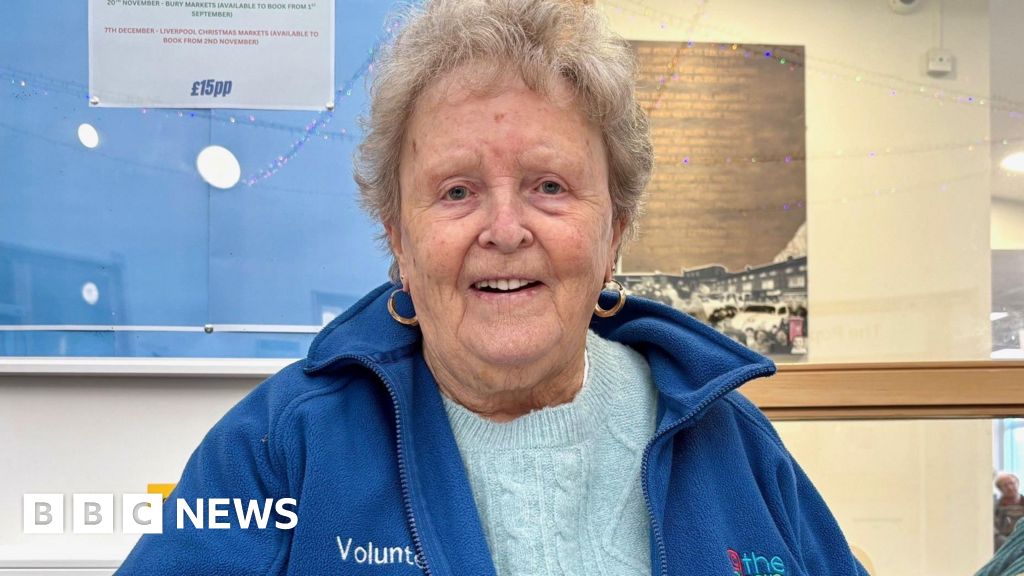
At 84 years old, Sheila Underwood from Blackpool found herself navigating an unfamiliar and frightening landscape after the loss of her beloved husband, Jim. For 59 cherished years, Jim had been her rock, her companion, and her shield against life’s harsher realities. His passing five years ago left an immense void, not just in her heart, but in the practicalities of her daily existence. The emotional toll of grief was compounded by a stark financial reality: her modest pension was no longer enough to cover the escalating costs of living, plunging her into the silent, isolating struggle of fuel poverty. The warmth that Jim’s presence had always brought was replaced by a literal chill in her home, and a pervasive anxiety about unpaid bills.
Sheila recalled the overwhelming sense of despair that would often descend upon her. "I was worried sick about paying the bills," she admitted, her voice still carrying a trace of that past fear. The financial stress was a constant, gnawing presence, making her feel profoundly down and utterly alone, even as she grappled with the raw pain of widowhood. Her once vibrant life, marked by shared laughter and comfortable routines, had shrunk to a solitary existence, where the simple act of staying warm became a daily battle. She found herself making impossible choices, cutting back on essentials, and silently enduring the cold rather than risking further debt.
Life had been different for Sheila. In her younger days, she had contributed to the bustling local economy, working diligently at the Symbol Biscuits factory in Blackpool. It was a time of camaraderie and steady income, a stark contrast to the vulnerability she now faced. She hadn’t chosen to be in fuel debt; it had crept up on her, an insidious consequence of rising energy prices and the unyielding realities of a fixed income. Her meals, once a source of comfort and tradition, had been drastically scaled back to "just one decent meal" a day. The hearty roast dinners she had grown up with, complete with a warming pudding every Sunday, were now a distant, wistful memory, a luxury she simply couldn’t afford. The idea of ever eating out or enjoying a small treat felt utterly out of reach.
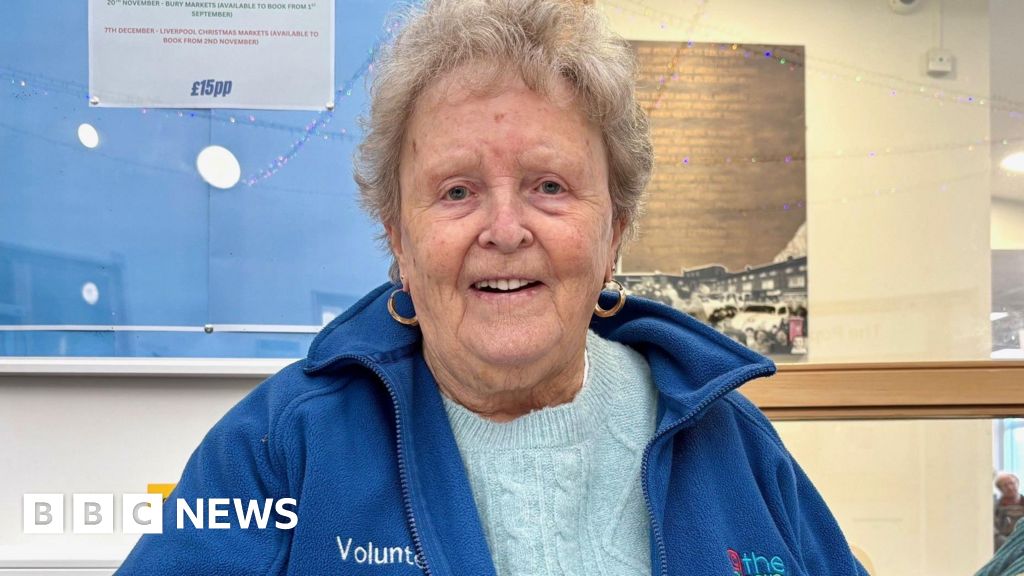
Then, a lifeline appeared in the form of the Grange Community Centre. Initially, the idea of venturing out, of seeking help, felt daunting. Her world had become small, confined to the familiar but increasingly cold walls of her home. But a neighbour, noticing her quiet struggle, had gently suggested the centre, mentioning its reputation as a warm, welcoming hub. Hesitantly, Sheila made her first visit. What she discovered was transformative. The moment she stepped inside, the chill of the outside world, both literal and metaphorical, began to recede. The centre hummed with a gentle warmth, filled with the murmur of conversations, the clinking of teacups, and the sight of friendly faces. It was a stark contrast to the oppressive silence of her own house.
The Grange Community Centre wasn’t just a physical refuge from the cold; it was a beacon of hope, offering multifaceted support that began to "turn her life around." Beyond the comforting warmth and the opportunity to meet new friends, the centre provided practical, life-changing advice on how to save energy and manage her finances. This support came through a remarkable initiative by Groundwork, a charity dedicated to helping vulnerable individuals facing hardship. Groundwork brings their "Green Doctors" directly to community centres like the Grange, providing expert, accessible advice to those most in need.
Sheila’s first encounter with a Green Doctor was a pivotal moment. She sat down with Rachel Denby, one of Groundwork’s compassionate advisors, and for the first time in years, she felt truly heard. Rachel didn’t just offer generic advice; she took the time to understand Sheila’s specific situation, her fears, and her living conditions. The Green Doctor provided a comprehensive review of Sheila’s energy usage, identifying areas where significant savings could be made. One of the first steps was helping Sheila navigate the often-confusing world of energy providers, assisting her in switching to a more affordable tariff – a task that, on her own, would have been overwhelming.
Crucially, Rachel also introduced Sheila to simple yet incredibly effective energy-saving measures she could implement in her home. These weren’t costly renovations, but clever, accessible solutions. One such tip was placing specialised foil sheets behind her radiators. This simple act, Rachel explained, reflects heat back into the room rather than allowing it to escape through external walls, making a noticeable difference to the overall warmth of her home without increasing her energy consumption. The Green Doctor also provided Sheila with tangible items that offered immediate comfort: a heated electric throw, a traditional hot water bottle, and draft excluders for her doors and windows. These items, seemingly small, had an enormous impact, allowing Sheila to target warmth to herself without having to heat her entire home to an unaffordable temperature. The relief was palpable; for the first time in a long time, she felt a sense of control over her heating bills.
But the Grange’s impact extended far beyond financial relief. It rekindled Sheila’s spirit. Slowly but surely, she began to forge new connections. The centre became her daily destination, a place where she could share a cup of tea, a laugh, and a conversation. She found herself part of a vibrant new social circle, affectionately known as the "Grange girls." These were women, often of similar age and experience, who understood the quiet battles she had been fighting. They shared stories, offered companionship, and created a sense of belonging that had been sorely missing since Jim’s passing. Sheila didn’t just receive help; she also found renewed purpose by volunteering at the centre, giving back to the community that had so generously embraced her. "It’s saved me from loneliness," she declared, the genuine smile on her face a testament to the profound change in her life.
The combination of practical support and renewed social connection had a profound effect on Sheila’s well-being. "I’m more relaxed now," she confided, her shoulders visibly lighter. "I put the heating on all over Christmas." This simple statement spoke volumes about the freedom and peace of mind she had regained. While she still couldn’t afford luxuries – "I can’t afford it," she stated simply, when asked about eating out – the crushing anxiety about keeping warm had lifted. The centre had provided a foundation of stability, allowing her to live with a greater sense of dignity and comfort.
Rachel Denby, Sheila’s Green Doctor, understands deeply the widespread impact of their work. She explained that their "simple but effective" energy-saving measures extend far beyond mere financial relief. "A lot of people don’t consider the mental health impact on fuel poverty as well," Rachel observed. "If you’re sitting in a freezing cold house, having to sit there wearing your coat… every night, it can really affect your mental health." The constant cold, the worry, the isolation – these factors contribute significantly to anxiety, depression, and a pervasive sense of hopelessness, particularly among the elderly and vulnerable.
Community centres like the Grange are not just places for warmth or advice; they are vital social infrastructure. They combat isolation, foster resilience, and provide a holistic approach to well-being that addresses both practical needs and emotional health. In a town like Blackpool, which faces its own unique socio-economic challenges, these hubs are indispensable. They offer a non-judgmental space where people can find not only practical solutions but also a sense of community, purpose, and genuine human connection. Sheila Underwood’s story is a powerful testament to the life-changing power of a warm, welcoming community centre – a hub that didn’t just save her from loneliness, but helped her rediscover warmth in every sense of the word.




 George Anjay
 Ramos Leo

 atisusanti