
 Nakalama John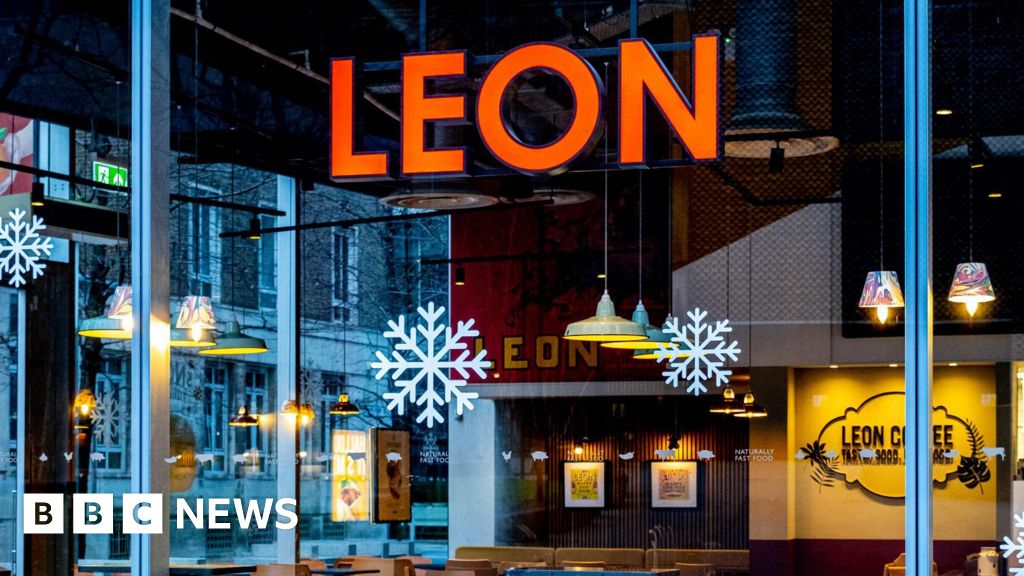
Vincent, who originally co-founded Leon, reacquired the company from Asda last year, a move that followed a period of considerable financial strain for the brand. Just last month, the firm appointed administrators and initiated a substantial restructuring of its operations, affecting its 71 restaurants and approximately 1,000 employees. Speaking on the BBC’s Big Boss Interview podcast, Vincent laid out his ambitious vision for the chain’s revival. This strategy includes a significant shift away from traditional High Street locations, with plans to open more restaurants in high-traffic areas such as service stations, airports, and train stations, following the closure of 20 less profitable High Street sites.
When probed about whether the surging popularity of weight loss injectables, such as Ozempic and Wegovy, posed a threat to the fast-food industry, Vincent offered a contrarian view. He firmly believes there is "definitely an opportunity for Leon-type food." He elaborated that Leon’s menu, characterised by its emphasis on low sugar content and dishes flavoured with natural herbs and spices rather than artificial additives, aligns perfectly with the dietary requirements and preferences of individuals using these medications. These GLP-1 agonists work by suppressing appetite and slowing gastric emptying, leading to reduced food intake and, crucially, a greater focus on nutrient-dense, satisfying meals in smaller quantities.
Vincent highlighted the importance of protein intake for those on these medications, stating that helping people on the injections get enough protein and maintain their muscle mass "is just as important as calories, I think." This insight suggests a potential evolution in Leon’s menu development, possibly featuring more protein-rich options designed to meet the specific nutritional needs of this growing demographic. He readily acknowledged that the impact of these powerful appetite-suppressing drugs would "definitely" require Leon to rethink and potentially adjust its portion sizes, adapting to a market where customers may naturally consume less.
This perspective stands in contrast to some other players in the fast-food sector. Only last week, the boss of Greggs, the popular bakery chain, conceded that there was "no doubt" these drugs had prompted consumers to seek "smaller portions," directly impacting the company’s sales figures. The widespread adoption of these medications is creating a ripple effect across the food industry, forcing businesses to re-evaluate everything from product development to marketing strategies. While some see a challenge, Vincent sees a strategic alignment, arguing that Leon’s inherent healthier positioning gives it an advantage in this evolving landscape.
Beyond adapting to changing consumer diets, Vincent also voiced deep concerns about the broader economic climate, particularly the impact of tax rises on the struggling hospitality industry. He branded these increases "incredibly toxic," arguing that they are stifling growth and pushing businesses to the brink. The upcoming cessation of business rates relief for the hospitality sector, initially introduced during the Covid-19 pandemic, is set to bite hard in April. Simultaneously, increases in the rateable value of commercial premises will take effect, compounding the financial pressure on businesses already grappling with elevated operating costs across the board, including energy, labour, and supply chain expenses.
Vincent warned that if taxes on businesses continue to climb, "the only people that are going to survive are those selling… food that’s not very good quality." This stark prediction underscores a fear that higher operating costs could disproportionately favour establishments cutting corners on ingredient quality and preparation, to the detriment of healthier, more ethically sourced offerings. Leon, for instance, has been reportedly losing £10 million a year, a testament to the severe challenges faced by the sector.
The Treasury has indicated that it plans to announce further assistance for pubs in the coming days, a move that has sparked a backlash from other hospitality businesses questioning why they are not included in similar relief packages. Chancellor Rachel Reeves addressed the issue at a press conference, stating she was "working with the hospitality sector," but concrete, sector-wide support beyond pubs remains unclear, leaving many businesses like Leon in a precarious position.
Vincent elaborated on the historical business model of fast-food chains, where "the more fast food units you have, the better the operations, the better the supply chain, the better you can buy, the better your systems can be." This traditional wisdom suggested that economies of scale would naturally lead to greater profitability. However, he now questions the validity of this model, adding: "I’m not sure this is true anymore because of pressure on the market." The intense competition, coupled with soaring operational costs and shifting consumer demands, has fundamentally altered the landscape.
His immediate strategy involves concentrating on London, alongside the more resilient service stations, train stations, and airports. However, even operating in the capital presents its own set of formidable challenges, with "incredibly high upward-only rents" making business there "incredibly difficult." Despite the higher revenue potential in transport hubs, retailers often face substantial cuts from landlords and operators. Yet, Vincent highlights a crucial distinction: a 2% profit margin in an airport location "is worth the same as a 6% on the High Street." This is because "you might be doing two or three times the revenue in that airport than you might in a High Street location," making these seemingly less profitable sites strategically more valuable for overall financial health.
Responding to Vincent’s pointed comments on taxation and support, a Treasury spokesperson reiterated the government’s commitment, stating: "We’re backing hospitality businesses with a £4.3bn support package to limit bill rises." The spokesperson also cited "capping corporation tax at 25%, cutting red tape and taking action on the cost of living to boost high streets" as measures designed to assist businesses. However, many in the industry argue these measures fall short of addressing the systemic issues they face.
Beyond external economic pressures, Vincent candidly admitted that Leon’s struggles also stem from an internal drift away from its foundational mission: providing good-quality, healthy fast food for the masses. He recounted Leon’s origins, where its simple menu of meatballs, superfood salads, and tapas offered a refreshing, relatively healthy alternative in a fast-food market dominated by burgers, fried chicken, and kebabs. Leon was conceived as a "natural fast food" pioneer.
However, after its sale in 2021, Vincent believes Leon "lost chutzpah, leadership and confidence," leading to "a lack of clarity about what it wants the menu to be." He expressed sympathy for the company’s previous owners, acknowledging the unprecedented challenges restaurants have faced since the pandemic, including lockdowns, supply chain disruptions, and staff shortages. Despite this, he feels the brand lost its way.
"I think Leon needs to make sense again," he asserted. "We don’t always make sense to people at the moment." His plan for 2024 includes a concerted effort to bring simplicity back to the menu, aligning it once more with its core values. "We do have to, as a brand, realise and remember, we were always about the best food for the most people," he stated emphatically. "We were not about posh fast food for posh people. That was never our intention." By re-embracing its original ethos of accessible, healthy, and flavourful fast food, Leon aims to regain its identity and, in doing so, position itself perfectly to serve the evolving needs of consumers, including those embracing the new era of weight loss management.


 George Anjay
 Ramos Leo

 atisusanti