Roy Suryo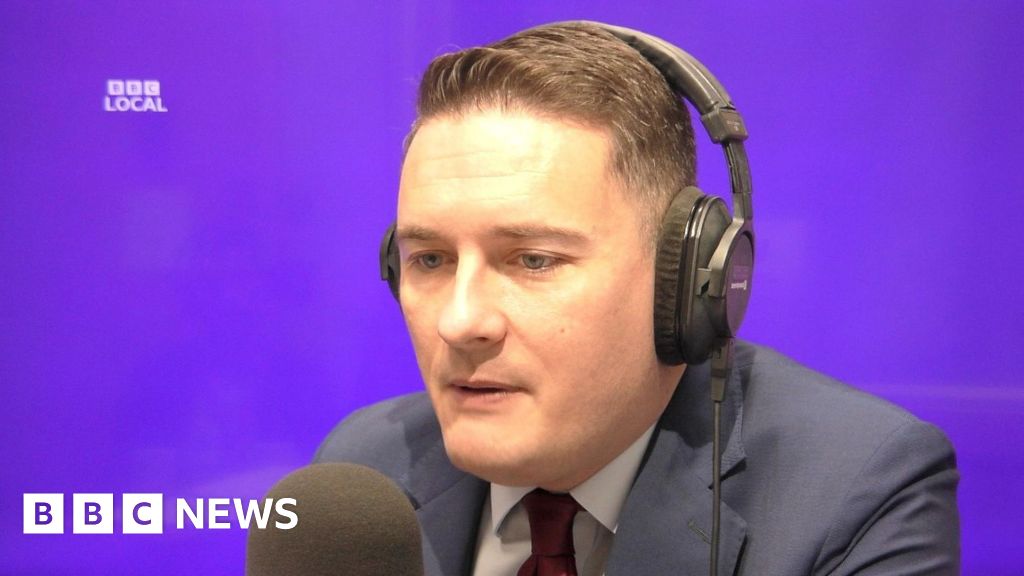
The Health Secretary has unequivocally admitted that the National Health Service (NHS) is "falling short" in its capacity to meet the escalating demand for adult autism and Attention Deficit Hyperactivity Disorder (ADHD) diagnoses. This candid acknowledgment came during an interview with BBC Radio Oxford, where Mr. Streeting was directly responding to a pointed question regarding the prolonged pause on adult referrals for these services in Oxfordshire, a situation that has persisted since the beginning of 2024. He stressed that this issue transcends local boundaries, characterizing it as a "national issue that he was ‘very worried about.’" When pressed on whether the surge in demand represented an "epidemic" that the government was failing to adequately address, Mr. Streeting’s succinct response, "in a nutshell, yes," underscored the gravity of the situation.
Elaborating on the government’s approach, Mr. Streeting stated, "We’re trying to, as a government, understand what’s driving this increase." He posed critical questions about the underlying causes, speculating, "Is it simply awareness and a positive awareness that means that people who would have just gone unsupported and undiagnosed are just now realising that they may well have ADHD?" He then pivoted to the immediate challenge, highlighting the systemic deficit: "And then secondly, meeting the demand because we’re really falling short on this in the NHS, so we are looking at this nationally." This admission signals a significant shift in public discourse, with a senior government minister openly acknowledging a failure in service provision for a substantial segment of the population.
In a proactive move to address these burgeoning concerns, Mr. Streeting launched an independent review last year. This comprehensive review is specifically tasked with scrutinizing the rising demand for mental health, ADHD, and autism services across England. A key objective of this inquiry is to ascertain whether there is any evidence of over-diagnosis within these fields and, crucially, to identify the existing gaps in support structures that are leaving individuals without necessary interventions. While the government maintains that it is actively investing in the expansion of these vital services, the reality on the ground for many individuals is one of protracted waiting times for essential therapies and diagnostic assessments.
The stark realities of these long waits are vividly illustrated by the situation in Oxfordshire. Oxford Health, a key healthcare provider in the region, announced in February 2024 that it had been compelled to pause all new adult referrals to its ADHD service. This drastic measure was attributed to an "unprecedented number" of adults seeking assessment and diagnosis. In a statement released at the time, Oxford Health explained the rationale behind their decision: "We paused our service in 2024 in order to properly and safely manage a backlog of referrals." The statement further elaborated on their ongoing efforts, stating, "Since then, in addition to assessing these referrals, we have been working with [the Buckinghamshire, Oxfordshire and Berkshire West Integrated Care Board (BOB ICB)] to design a service for the Thames Valley." This indicates a concerted effort to rebuild and reconfigure the service, but it offers little immediate solace to those currently waiting.
The difficulties are not confined to ADHD services alone. Kingswood, a private provider commissioned to conduct autism assessments and diagnoses within Oxfordshire, was forced to implement a similar pause on new referrals in November 2024. Sarah Butcher, the Chief Executive of Kingswood, expressed the company’s reluctance to take such a step, stating, "Closing the waiting list was not something we wanted to do, but we believe we had a moral obligation to do this." She underscored their continued commitment to those already on their waiting list, assuring, "We will continue to provide a diagnosis for those on our waiting list." However, she also voiced a clear appeal for increased support, adding, "and we remain hopeful that BOB ICB will increase their funding to us in the future, so that we can provide increased diagnosis for people in Oxfordshire." This highlights the critical reliance on local commissioning bodies for the adequate funding and provision of these essential services.
The admission by Wes Streeting serves as a significant development, moving beyond the usual political rhetoric to acknowledge a systemic failure within the NHS. The ongoing independent review is a crucial step, but its findings and recommendations will need to translate into tangible improvements and increased resources to alleviate the immense pressure on individuals awaiting diagnosis and support. The current situation in areas like Oxfordshire, where referral lists are paused, leaves many in limbo, experiencing significant distress and a lack of understanding about their neurodevelopmental conditions. This can have profound impacts on their mental health, education, employment, and overall quality of life.
The increase in demand, as Mr. Streeting rightly points out, is multifaceted. Growing societal awareness, coupled with a more open dialogue about neurodiversity, has undoubtedly encouraged more individuals to seek assessment. This is, in many respects, a positive societal shift, as it allows individuals to access support and accommodations they may have previously been denied due to a lack of understanding or diagnosis. However, the healthcare system has demonstrably struggled to keep pace with this burgeoning awareness. The historical underfunding and under-resourcing of adult autism and ADHD services have created a perfect storm, where increased demand has met an insufficient supply, leading to the current crisis.
The government’s commitment to investing in expanding services is a necessary step, but the scale of the investment and the speed of implementation are critical. Long waiting lists are not merely an inconvenience; they represent prolonged periods of uncertainty and potential deterioration of mental well-being for individuals. For many, a diagnosis is the key that unlocks access to tailored support, therapeutic interventions, and workplace or educational accommodations that can fundamentally change their lives for the better. Without timely access to these, individuals are left to navigate complex challenges without the necessary tools and understanding.
The experiences of Oxford Health and Kingswood in Oxfordshire serve as a microcosm of a wider national problem. The "unprecedented number" of referrals is not an isolated incident but a symptom of a systemic issue that requires a robust, coordinated, and adequately funded national response. The decision to pause referrals, while presented as a measure to "properly and safely manage a backlog," is a stark indicator of the unsustainable pressure on existing services. It leaves individuals feeling abandoned and unheard, further exacerbating their existing difficulties.
The independent review’s focus on potential over-diagnosis is a valid area of inquiry, but it must not overshadow the pressing need to address the current deficit in diagnostic capacity. While it is important to ensure the accuracy and appropriateness of diagnoses, the current situation suggests that a significant number of individuals are genuinely experiencing symptoms consistent with autism and ADHD and are being denied timely assessment. The review must also rigorously examine the existing gaps in support, which extend beyond the diagnostic process itself to include ongoing therapeutic interventions, mental health support, and access to social care services.
The admission from Wes Streeting is a crucial first step, acknowledging the problem on a national stage. However, the true test will lie in the government’s ability to translate this acknowledgment into concrete, impactful action. This will require not only increased funding but also a strategic overhaul of how these services are commissioned, delivered, and integrated within the broader healthcare landscape. The voices of those waiting for diagnosis, their families, and the dedicated professionals working tirelessly within these strained services must be at the forefront of any reform efforts. The "falling short" of the NHS on autism and ADHD is not just a statistic; it represents countless lives impacted by delays, uncertainty, and a lack of crucial support. The time for comprehensive and decisive action is now.



 Ramos Leo
 Nakalama John
 George Anjay