George Anjay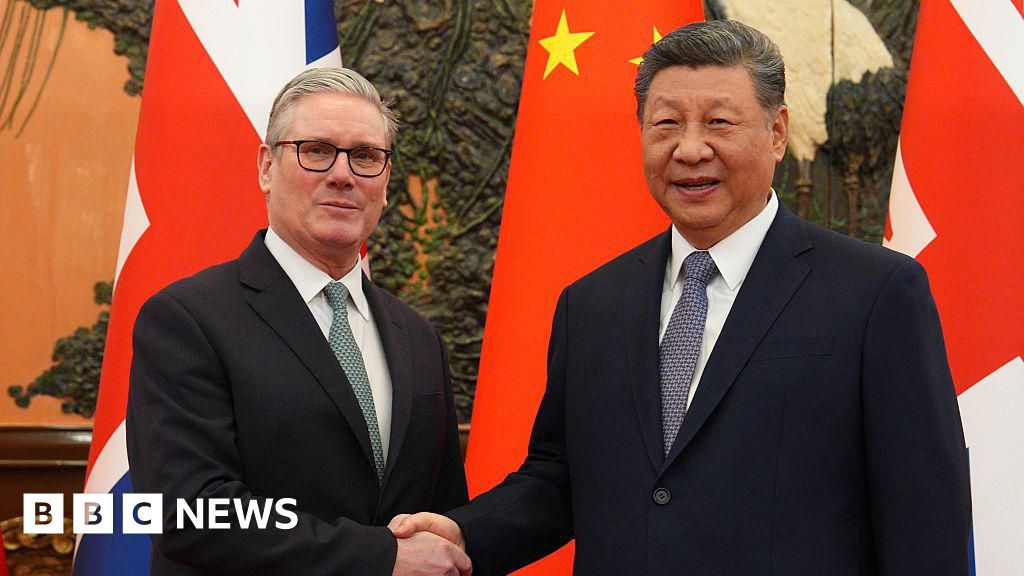
Sir Keir Starmer’s recent visit to China marked a significant diplomatic pivot, signaling a determined effort by both nations to thaw the "ice age" that has characterized their recent bilateral relations. This strategic engagement, the first by a UK Prime Minister since Theresa May in 2018, was driven by pressing domestic economic imperatives and a shared ambition to unlock new avenues for trade and investment. For Starmer, the trip presented a crucial platform to showcase the formidable strengths of British industries in high-growth sectors such as finance, pharmaceuticals, advanced healthcare, sustainable energy, and automotive manufacturing. Simultaneously, President Xi Jinping sought to project an image of China as a stable and reliable economic partner for Western nations, particularly amidst ongoing global trade uncertainties amplified by the protectionist stance of US President Donald Trump. While the visit did not culminate in a sweeping free trade agreement, it undeniably achieved a cautious yet tangible recalibration of economic ties between the United Kingdom and China. The series of agreements focusing on enhanced visa access, expanded services, collaborative healthcare initiatives, the advancement of green technologies, and strengthened financial sector linkages, coupled with the re-establishment of high-level dialogue, are poised to facilitate greater market penetration for British companies in China and encourage increased Chinese investment within the UK.
The most substantial commercial outcome of the visit was the landmark announcement by AstraZeneca, a titan in the pharmaceutical industry, pledging an ambitious investment of $15 billion (£11 billion) in China over the next four years. This significant capital injection is earmarked for expanding its research and development capabilities and bolstering its pharmaceutical manufacturing operations within China, representing AstraZeneca’s largest ever investment in the country. In the burgeoning clean energy sector, British firm Octopus Energy made its strategic entry into the Chinese market through a pioneering partnership with the local entity PCG Power. This collaboration will focus on developing a sophisticated digital platform designed to optimize electricity trading, a move intended to enhance the overall efficiency of China’s power grid and significantly contribute to the nation’s ambitious renewable energy targets. For Octopus Energy, a company that has experienced rapid expansion within the UK, this agreement opens the door to China’s vast and rapidly growing energy market, where the demand for clean energy solutions and advanced digital trading technologies is escalating. Greg Jackson, the CEO of Octopus Energy, who was an integral part of the UK’s business delegation, highlighted China’s immense scale and innovation as key drivers in reducing the cost of solar, wind energy, and battery technologies. He articulated the immense opportunity for British expertise in developing and deploying solutions that leverage these cost-effective renewable sources to lower electricity prices for consumers.
Further underscoring the economic diplomacy at play, China agreed to a substantial reduction in tariffs on Scotch whisky. The UK government projected that this tariff cut could inject an estimated £250 million into the British economy over the next five years. Sir Keir Starmer emphasized the cultural and economic significance of this development, stating, "Our whisky distilleries are the jewel in Scotland’s crown." He presented this outcome as concrete "proof that our pragmatic, hard-headed international engagement brings benefits at home." Scotch whisky stands as a critical export for the UK’s drinks industry, generating over £5 billion in annual exports, with China emerging as one of its most dynamic and rapidly expanding markets in recent years. Industry bodies universally lauded this move, foreseeing it as a significant boost for Scottish distillers, enabling them to compete more effectively in a global marketplace already crowded with formidable contenders from the United States, Europe, and Japan.
Beyond tangible trade agreements, the visit yielded a significant enhancement in travel facilitation. British citizens will now benefit from visa-free entry into China for stays of up to 30 days, applicable for both tourism and business purposes. This development positions the UK alongside approximately 50 other nations, including prominent economies like France, Germany, Australia, and Japan, in terms of travel convenience. Furthermore, both nations reached a crucial agreement to collaborate on efforts to disrupt migrant-smuggling networks, a policy objective of paramount importance for Sir Keir’s government.
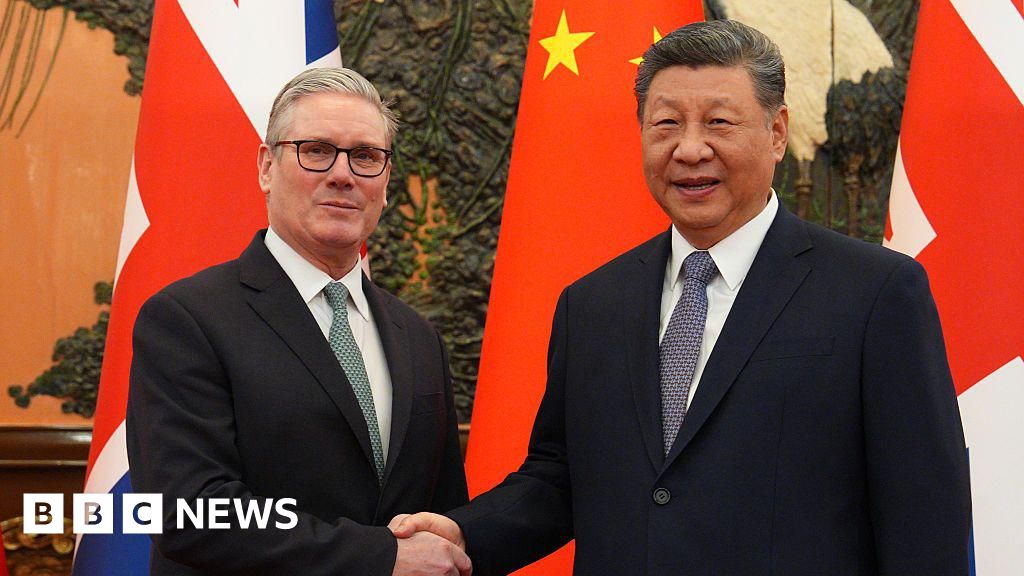
From Beijing’s perspective, the renewed engagement with the UK, a major European economy and a key ally of the United States, serves as a vital signal to the international community that China remains a steadfast and dependable partner, even as trade tensions persist with the US. Economically, this "reset" ensures continued access for Chinese exporters of high-value goods, including electric vehicles, solar panels, and other clean energy technologies, to the UK and European markets. Concurrently, it cultivates opportunities for Chinese investment in the UK’s service sector, its robust financial industry, and its burgeoning green technology landscape. Chinese state media lauded the visit as a pivotal step towards transforming "the potential of China-UK cooperation into real achievements that benefit both peoples and the world." British business leaders echoed this sentiment, emphasizing the reciprocal advantages of these strengthened partnerships. Chris Fitzgerald, Group Director for International Affairs at Octopus Energy, speaking from Beijing, described the Prime Minister’s visit as a "significant moment, signalling the importance of the economic relationship between the UK and China." He elaborated, "Such partnerships mean we can bring affordable, secure, clean energy to British customers… And we can use our technology and know-how to bring some of the same benefits to Chinese customers."
Despite the positive outcomes, significant challenges persist in the bilateral economic relationship. Foreign businesses operating in China have historically voiced concerns regarding bureaucratic hurdles, complex regulatory frameworks, and a general lack of transparency, factors that can impede investment decisions and foster market uncertainty. Fitzgerald acknowledged these realities, stating, "Any market has its own challenges, so of course we’ve got to be clear-eyed and seek expert advice." He added, "We have had good discussions with the Chinese officials who have welcomed our entry. And we have been careful to choose an excellent partner… So we are excited to take the immense opportunity that the world’s largest renewable energy market offers." For Sir Keir’s Labour government, which has faced scrutiny over its ability to deliver promised economic growth, the China visit represented a high-stakes endeavor. Despite domestic political considerations, improving relations with the world’s second-largest economy has been a central tenet of the British Prime Minister’s agenda.
However, this strategic recalibration necessitates a delicate diplomatic balancing act. The recent trade rhetoric from US President Donald Trump, including warnings to Canada regarding potential tariffs on deals struck with China and similar admonishments directed at the UK regarding deepening commercial ties with Beijing, highlights the complexities. Sir Keir has consistently maintained that the UK is not compelled to choose between its longstanding alliance with the US and its economic engagement with China. He frames the current reset as a pragmatic approach designed to bolster domestic economic growth while simultaneously navigating the intricate landscape of geopolitical risks. Addressing the UK-China Business Forum in Beijing, Starmer described his meetings with President Xi as "very warm" and specifically highlighted the significance of the agreements on visa-free travel and reduced whisky tariffs. He posited that these achievements provide British firms with "really important access" and are "symbolic of what we’re doing with the relationship." He further asserted, "That is the way that we build the mutual trust and respect that is so important."
Sir Keir’s visit is part of a broader trend of international engagement with Beijing, as leaders from countries like France, Canada, and Finland increasingly seek to diversify their international partnerships and mitigate risks associated with an increasingly unpredictable United States. With Washington pursuing assertive tariff policies and even engaging in extraterritorial economic pressure tactics, these middle powers are strategically looking to broaden their trade and investment portfolios and secure new market opportunities. Concurrently, these nations will be closely observing the outcomes of the agreements being forged by the UK, Canada, France, and other countries with China. The overarching objective for all these nations remains to maintain their competitive edge in attracting vital Chinese investment and securing access to the world’s second-largest economy.


 Ramos Leo
 Roy Suryo
 atisusanti
 Nakalama John