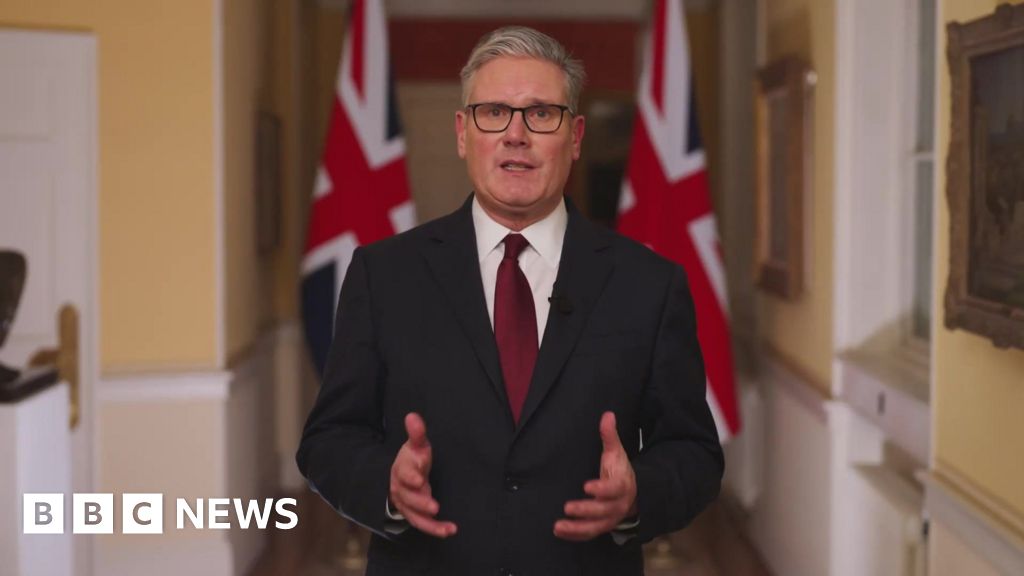
Roy Suryo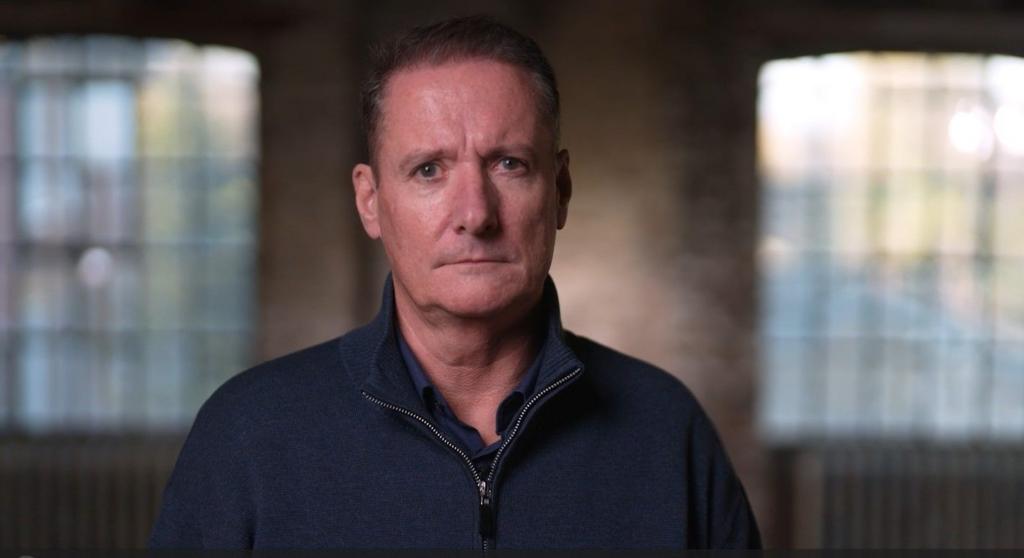
The demanding and often perilous role of a prison officer is frequently underscored by stark statistics, painting a picture of a profession grappling with immense pressure. A recent survey revealed a sobering reality: a staggering 72% of prison officers report experiencing frequent stress in their daily work. This pervasive stress is not merely an abstract feeling; it is inextricably linked to the inherent dangers of the environment. The same survey highlighted that a significant 45% of these dedicated individuals have faced physical assault at least once during their careers. These figures raise critical questions about the psychological toll of the job and the resilience required to navigate its complexities. What, then, motivates individuals to enter such a challenging field, and what strategies do they employ to cope with the unrelenting pressures and potential dangers?
The work of a prison officer is far removed from the simplistic portrayals often seen in popular culture. It is a role that demands a unique blend of authority, empathy, vigilance, and unwavering professionalism. Officers are the frontline custodians of order within correctional facilities, responsible for the safety and security of both inmates and fellow staff. This entails a constant balancing act: enforcing rules and regulations while simultaneously managing volatile personalities and de-escalating potentially explosive situations. Their days are filled with routine tasks such as conducting cell searches, escorting prisoners, supervising communal areas, and ensuring adherence to schedules. However, these seemingly mundane duties can quickly transform into high-stakes confrontations when tensions rise or illicit activities are discovered.
The psychological impact of working within a prison environment cannot be overstated. The constant exposure to individuals who have committed serious offenses, coupled with the inherent risks of violence, can lead to a heightened state of hypervigilance. This can manifest as chronic anxiety, sleep disturbances, and a general sense of unease that can spill over into an officer’s personal life. The emotional labor involved is immense; officers are often required to suppress their own feelings and maintain a calm, authoritative demeanor even when faced with aggression, manipulation, or profanity. Furthermore, witnessing acts of desperation, self-harm, and attempted suicide among the prison population can take a significant emotional toll, requiring officers to develop strong coping mechanisms and access appropriate psychological support. The film, produced by BBC Ideas in partnership with The Open University, implicitly acknowledges these profound challenges by including a content warning for descriptions of self-harm and attempted suicide, underscoring the difficult realities faced by those working within the system. The provision of resources like the BBC Action Line further emphasizes the critical need for support for those affected by these issues.
The motivations for choosing such a demanding career are diverse and often deeply personal. For some, it is a calling to public service, a desire to contribute to society by maintaining order and facilitating rehabilitation. There is a sense of purpose in playing a role, however challenging, in the justice system. Others may be drawn to the inherent authority and responsibility of the position, relishing the opportunity to be in a position of leadership and to make a tangible difference in a controlled environment. The stability of employment and the opportunity for career progression within the prison service can also be attractive factors. However, beneath these practical considerations often lies a deeper commitment to the idea of rehabilitation and the belief that even those who have made mistakes deserve a chance to turn their lives around. Prison officers are not just enforcers of rules; they can also be instrumental in fostering an environment conducive to positive change, offering guidance, and acting as a stable, consistent presence in the lives of individuals who may have experienced significant instability.
The partnerships involved in the creation of this content highlight the collaborative effort to shed light on this critical profession. The involvement of BBC Ideas in partnership with The Open University signifies a commitment to educational and insightful content that explores complex societal issues. The special mention of Kaigan Carrie at the University of Westminster, host of the "Evolving Prisons" podcast, further indicates a broader academic and public discourse surrounding the challenges and future of the prison system. This engagement with external experts and platforms demonstrates a desire to go beyond superficial reporting and delve into the nuanced realities of prison life and the experiences of those who work within it. The inclusion of a link to "Watch more videos at BBC Ideas" suggests a wealth of related content, further enriching the viewer’s understanding.
Coping with the daily stressors and potential dangers of being a prison officer requires a multifaceted approach. For many, strong interpersonal relationships with colleagues are a vital support network. Sharing experiences, offering mutual encouragement, and simply knowing that others understand the unique pressures of the job can be incredibly therapeutic. Formal support systems, such as access to counseling services and psychological debriefing sessions, are also crucial. Many prison services now recognize the importance of mental health and offer resources to help officers manage stress, trauma, and the emotional burden of their work.
Beyond formal support, individual officers develop personal coping strategies. These can include mindfulness techniques, regular exercise to release pent-up tension, and engaging in hobbies and activities outside of work that provide a sense of escape and relaxation. The ability to compartmentalize, to leave the stresses of the prison at the gate, is a skill that many officers hone over time. This is not always easy, as the emotional residue of difficult encounters can linger. However, developing a healthy work-life balance is essential for long-term well-being and career sustainability.
The role of a prison officer is undeniably one of the most challenging in public service. It demands an extraordinary level of personal fortitude, resilience, and a deep-seated commitment to the principles of justice and rehabilitation. The statistics on stress and assault are stark reminders of the inherent risks, but they also serve to highlight the courage and dedication of the individuals who choose this path. Their motivations are complex, often rooted in a desire to serve, to maintain order, and to contribute to the possibility of positive change. Their coping mechanisms are a testament to their strength and adaptability, drawing on both formal support systems and personal strategies to navigate the profound challenges they face. Understanding what it takes to be a prison officer means recognizing the immense personal sacrifice and unwavering commitment required to uphold order and, in some cases, to foster hope within the walls of our correctional institutions. The continuous evolution of the prison system, as explored in platforms like the "Evolving Prisons" podcast, underscores the ongoing need to support and understand these vital members of our society.




 Ramos Leo
 Nakalama John
 George Anjay