Ramos Leo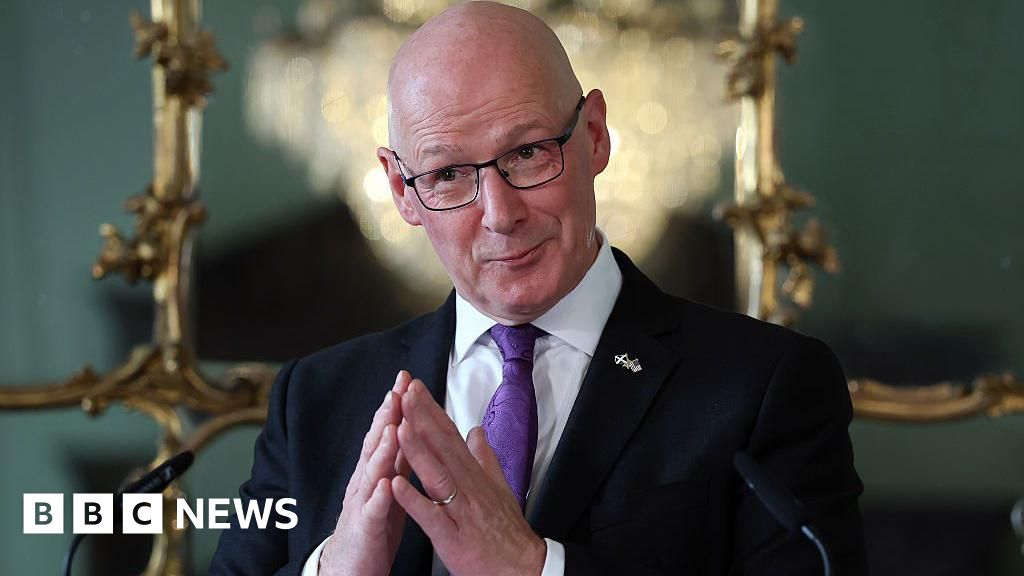
In recent months, First Minister John Swinney has strategically positioned his party to secure a remarkable fifth consecutive term in power. His administration’s campaign efforts have focused on highlighting tangible progress in critical areas. Swinney has frequently pointed to reductions in NHS waiting times, attributing improvements to specific governmental interventions and increased investment. He has also emphasized the Scottish government’s commitment to tackling child poverty, often citing the impact of the Scottish Child Payment and other welfare initiatives designed to alleviate financial hardship for families. Retaining control of the Scottish government would mean continued SNP oversight of essential devolved services, including the National Health Service, education system, and policing, allowing them to further implement their policy agenda.
However, Swinney’s political rivals argue vehemently that a change of government is not just desirable but long overdue, humorously comparing its necessity to the much-delayed CalMac ferries from the Ferguson shipyard. Their critiques are sharp and wide-ranging, addressing what they perceive as persistent failures and systemic issues under SNP rule. Key grievances include a significant housing shortage that continues to plague many communities, the stubbornly high rates of drug-related deaths which remain a national tragedy, and the ongoing, albeit slightly improved, waiting list challenges within the NHS. Despite these criticisms and a dip in popularity compared to their peak in 2021, the SNP has consistently emerged as the leading party in recent opinion polls, suggesting a resilient, albeit perhaps less enthusiastic, core support base.
The dynamics of the opposition parties add further complexity to the electoral calculus. While Scottish Labour achieved a significant victory over the SNP in the 2024 Westminster election, their subsequent national ratings have experienced a decline, mirroring the growing unpopularity of the UK government. This presents a unique challenge for Scottish Labour leader Anas Sarwar, who remains hopeful of narrowing the gap and mounting a credible challenge for power. Sarwar has promised a yet-to-be-fully-articulated "new direction" for Scotland, which he suggests will prioritize tangible solutions to entrenched problems within public services. This strategy aims to resonate with voters frustrated by the current state of affairs, moving beyond constitutional debates to focus on bread-and-butter issues like healthcare, education, and economic opportunity. His challenge will be to differentiate Scottish Labour sufficiently from their UK counterparts while still leveraging the potential for a Labour government at Westminster.
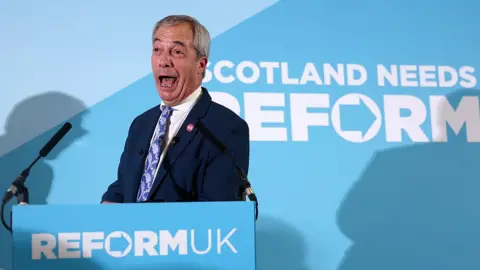
A significant disruptive force in the Scottish political landscape is the apparent rise in support for Nigel Farage’s Reform UK. This surge is creating considerable pressure on both Scottish Labour and, more acutely, the Scottish Conservatives, led by Russell Findlay. One senior Tory insider reportedly described Reform’s impact as the "greatest gift ever for John Swinney," acknowledging that it effectively fragments opposition to the SNP. Reform UK appeals to a segment of the electorate disillusioned with established parties, tapping into what is often termed the "scunner factor" – a general weariness and frustration with mainstream politics. While Reform benefits from this widespread discontent, the party recognizes that this anti-establishment sentiment alone is insufficient for sustained electoral success. As the election approaches, they will face increased scrutiny to articulate clear, Holyrood-specific policies, a challenge that will test the depth and coherence of their platform beyond general anti-establishment rhetoric.
The Scottish Conservatives, caught between the SNP’s dominance and Reform’s encroachment, are feeling the squeeze. Their strategy centers on an appeal to fiscal conservatism, proposing cuts to taxes, reducing regulation, and eliminating what they deem "wasteful" government spending. They hope these clear policy differentiators will allow them to carve out a distinct and relevant space in the highly competitive political arena. Meanwhile, the Scottish Greens and Scottish Liberal Democrats also see potential for growth, aiming to capitalize on specific policy niches – the Greens on climate action and environmental justice, and the Liberal Democrats often on local issues, mental health services, and education. The SNP, for its part, continues to weave the thread of independence through its campaign, seeking to consolidate the votes of those who favour Scottish statehood, a demographic that is demonstrably larger than the party’s current support base.
The immediate political focus in Scotland is the Scottish government’s draft budget statement, scheduled for Tuesday, 13 January. This is not merely an accounting exercise but a critical political document that sets the tone for the coming year. Many of the key tax and social security decisions have already been made and were submitted for independent scrutiny before Christmas. A significant factor influencing this budget is the UK government’s decision to end the two-child cap on access to certain benefits, which has liberated a substantial portion of Scottish government funds. This windfall is expected to be allocated towards additional anti-poverty measures, reflecting the SNP’s stated priorities. As a minority government, the SNP requires support from other parties to pass its budget, necessitating ongoing negotiations with opposition groups. Expect a proposed uplift in funding for the college sector, a strategic investment in skills and education, and further measures aimed at alleviating cost of living pressures for households. Ministers have already indicated that there will be no change to the headline rates and bands for income tax, but the earnings thresholds at which these apply may be adjusted to ensure that a majority of Scottish taxpayers pay less than their counterparts elsewhere in the UK, a key differentiating factor in Scotland’s progressive taxation system.
Beyond the immediate budget, Holyrood’s legislative agenda has several months remaining before the election campaign fully consumes its focus. One of the most controversial and potentially impactful proposals is a backbench bill concerning assisted dying. This legislation seeks to allow some terminally ill individuals to seek medical help to end their lives, a deeply sensitive issue that has generated intense ethical and moral debate. While MSPs have approved the bill in principle, allowing for further scrutiny and debate, many who voted for its progression still harbour significant concerns and may not ultimately support its final passage. This debate highlights the complex moral quandaries that Holyrood must address.
The Holyrood election itself, scheduled for Thursday, 7 May, will coincide with elections to the Welsh Parliament and various local authorities across England. Collectively, these contests represent the most significant gauge of voter opinion in the UK since the Labour Party’s presumed general election victory. Consequently, the Scottish election will be widely interpreted as a partial referendum on Sir Keir Starmer’s first two years in power. There is already considerable speculation within Westminster regarding a potential challenge to his leadership should Labour’s national fortunes not improve. The recent intervention by the Chancellor to protect jobs at the Grangemouth ethylene plant underscores the UK government’s continued influence and ability to shape economic conversations in Scotland, even in devolved areas.
Looking ahead, several major decisions affecting Scotland await the UK government. The controversial Rosebank oil and gas field, a massive project with significant environmental implications but also economic benefits, awaits final approval. Chinese plans to construct wind turbines at Ardersier also require ministerial sign-off, a decision with both economic and geopolitical dimensions. Furthermore, the UK government is tasked with selecting a Scottish location for a new munitions factory, a decision with strategic importance for defence and potential for local job creation. Tensions surrounding immigration are also expected to persist throughout the year, with recent polling data indicating that it ranks among the top three public concerns in Scotland, alongside the economy and health. The debate around immigration policy, including asylum processing and economic migration, will continue to be a potent political issue.
The internal workings of Holyrood itself are set for a significant overhaul. A substantial number of current MSPs, almost a third of the Parliament’s 129 members, have chosen to stand down in 2026. The most high-profile departure is that of former First Minister Nicola Sturgeon, whose long-standing presence has defined an era of Scottish politics. This high turnover rate guarantees that the next Scottish Parliament will have a distinctly different composition, bringing in new faces and potentially shifting internal party dynamics and legislative priorities.
Beyond the formal parliamentary processes, developments are anticipated in two unrelated, high-profile prosecutions of political figures. Peter Murrell, former SNP chief executive and husband of Nicola Sturgeon, has been charged with embezzlement, a case that has sent ripples through the party and raised questions about financial transparency. Separately, MSP Colin Smyth, who has been suspended from the Labour Party, faces charges related to the possession of indecent images of children and voyeurism, a deeply troubling case that has shocked the political establishment.
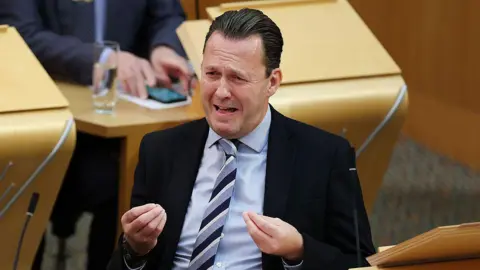
On the policy front, SNP ministers are grappling with the decision of whether to order a further inquiry into grooming gangs, a sensitive issue with significant public interest and demands for accountability. Justice Secretary Angela Constance is currently under investigation by those supervising the ministerial code of conduct, specifically concerning her use of an expert’s quote on this very issue, highlighting the intense scrutiny ministers face. Health Secretary Neil Gray is attempting to avert planned strikes by resident doctors, an ongoing challenge for the NHS, while also working towards the ambitious goal of opening the first in a new network of NHS walk-in treatment centres, aimed at easing pressure on emergency services. An updated energy strategy from the Scottish government is also long overdue, crucial for Scotland’s climate targets and economic future.
In the broader international context, the search for peace between Russia and Ukraine continues to dominate headlines, a conflict that has profoundly reshaped UK defence policy and contributed significantly to the sharp increase in energy bills felt by households across Scotland. A decade on from the Brexit vote, the UK government is actively seeking closer ties with the European Union while also navigating complex trade negotiations, notably aiming to conclude whisky tariff discussions with the United States. The potential return of President Trump to the US presidency also looms, presenting a fresh set of diplomatic challenges and opportunities for the UK.
As Scotland approaches 2026, the convergence of these domestic political contests, UK-wide policy decisions, and international developments creates a highly charged and unpredictable environment. The upcoming Holyrood election will not just be about who governs Scotland, but also about the direction the nation takes amidst a period of profound global and national change, ultimately shaping the faces and policies of its parliament for years to come.


 George Anjay
 Roy Suryo
 atisusanti
 Nakalama John