Roy Suryo
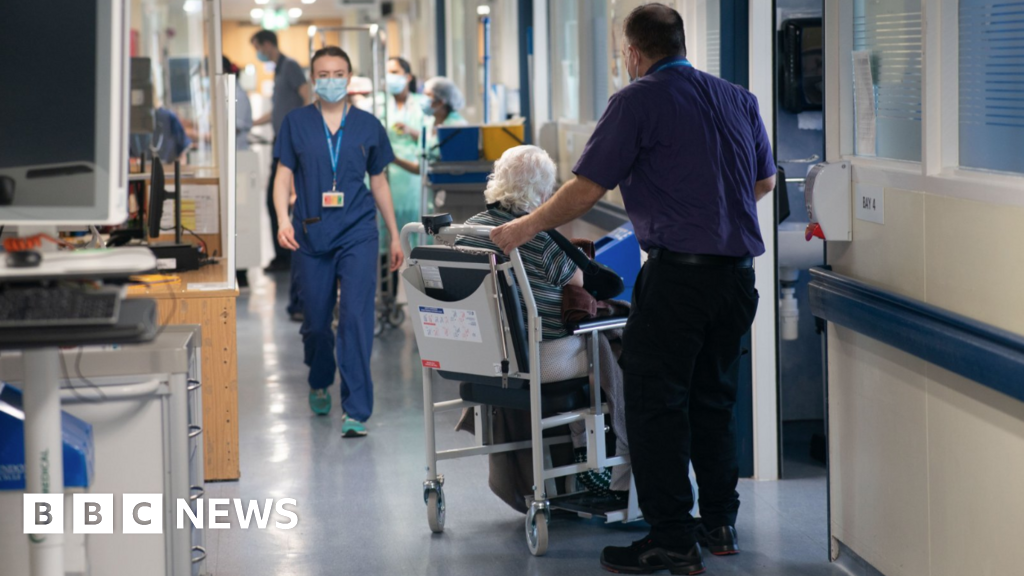
As ambulances queued in front of Royal Berkshire Hospital in Reading last week, corridors were packed with patients awaiting hospital beds. Emergency department consultant Omar Nafousi described the scene as dire, stating, "We’ve no space. This is not what I signed up for when I became a doctor." This situation is a recurring issue across the UK, exacerbated by winter viruses and cold weather, which strain the health service.
Currently, nearly 4,000 hospital beds in England alone are occupied by patients with influenza, COVID-19, and norovirus. However, this number is dwarfed by another significant pressure: patients who could be treated elsewhere. Latest figures from NHS England indicate that over 13,000 beds in England are occupied daily by patients whose treatment has been completed, with an additional 4,000 across the rest of the UK. This means approximately one in eight hospital beds is taken by individuals who do not necessarily require hospitalisation.

Many of these "delayed discharge" patients are elderly, frail, and managing multiple health conditions, requiring support within their communities. The financial implications are substantial. According to NHS England, the average hospital bed costs £562 per day to staff and maintain. This translates to over £225 million lost monthly in England alone by supporting patients who could be cared for outside of a hospital setting. The impact extends to other patients, with senior nurse Clifford Kilgore, who works with older people, noting, "We are seeing surgery cancelled and long waits in A&E because there are no beds available on the wards." This situation also takes a significant toll on the morale of doctors, nurses, and ambulance workers.
The issue of delayed discharges is not new; it has been a persistent concern for years, with the NHS beginning to track these delays in the early 2010s. Last summer, the government launched an urgent and emergency care plan with a pledge to reduce these delays and implement improvements. Experts suggest that resolving this problem could have a transformative impact on the NHS. However, the issue raises deeper questions about the care system, hospital coordination, and planning, with some doctors questioning whether patients, particularly those at the end of life, are being over-treated.
‘The system’s running faster just to stand still’

The concept of discharging all patients who are medically fit seems straightforward, but the reality is far more complex. Emma Dodsworth, a researcher at the Nuffield Trust think tank, explains that discharging a patient requires significant time and effort. Patients may need home adaptations, short-term assistance with personal care, nursing visits, or a place in a care home. Compounding this, the aging and increasingly frail population means more complex cases are being admitted to hospitals, forcing the system to "run faster just to stand still."
Effective patient discharge relies on close collaboration between NHS trusts and local authority-run social care services. At Queen Elizabeth Hospital in Gateshead, a discharge liaison hub exemplifies this integration. Social workers and nurses work collaboratively, supported by a council-employed housing officer who arranges home adaptations or temporary housing. Discharge planning begins upon patient admission, enabling prompt discharges for many once they are medically ready. This integrated approach has demonstrably led to faster patient discharges compared to the national average.
‘Strained relations’ with social care

Despite successful local initiatives, a report by the NHS Confederation and Association of Directors of Social Services (ADASS) highlights inconsistent cooperation between the NHS and social care sectors across the country, with relationships sometimes becoming "frictional." Kerrie Allward, policy lead for ADASS, confirms that while her area has seen a significant reduction in delayed discharges through a similar integrated approach, funding remains a critical issue for social care.
Local authorities are spending approximately £32 billion annually on adult social care, a real-terms increase of £4.6 billion since 2010-11. However, councils argue that this increase has been absorbed by rising costs, growing demand, and increased complexity of need. Allward notes that councils often lack the funds to invest in integrated services that would facilitate timely discharges, and some NHS leaders unfairly blame social care for delays, despite data indicating social care is responsible for a minority of these issues. The government has committed to increasing investment and pursuing wider reform of service funding.
Examining the Danish approach

Other European countries offer alternative models. Denmark, for instance, has established a national network of "intermediate care beds" in community hospitals and care homes, staffed by nurses and carers, providing a transition for patients leaving acute care. Denmark has also heavily invested in community nursing services to support patients in their homes. Dodsworth suggests that the UK could learn from such integrated health and social care systems.
Some NHS trusts have explored purchasing care home places to facilitate discharges. University Hospitals of Leicester NHS Trust has taken this a step further by investing £10 million in renovating a former care home, Preston Lodge, which opened with over 50 beds. Staffed with nurses, physiotherapists, occupational therapists, and an on-site GP, it allows medically fit patients to receive ongoing support, reducing their average hospital stay by an estimated 10 days. These "step-down" facilities help patients regain strength without occupying acute hospital beds. However, the persistent lack of integration between social care and the NHS hinders the wider adoption of such models.
The question of family responsibility
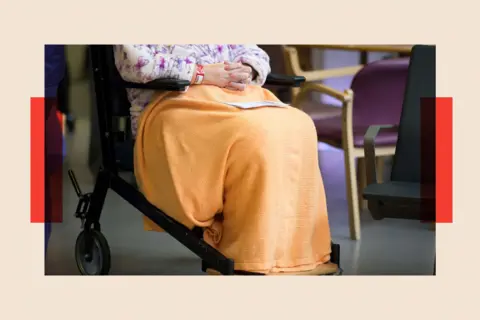
Improving NHS-council coordination is only part of the solution. NHS England data reveals that only about a third of delays are attributable to a lack of community care or available care home places. Another challenge is the reluctance of some families to take on caring responsibilities, often preferring their loved ones to remain under hospital care due to perceived safety or convenience. Laura Hichens, a nurse leading a discharge liaison team, spends considerable time reassuring families that alternative community settings can be more beneficial for their relatives’ well-being and recovery.
Dr. Vicky Price, an acute medical consultant, notes that in some countries, families play a more significant role in elder care, reducing the reliance on formal care homes. However, she acknowledges the financial and practical challenges families face in undertaking such responsibilities.
Rethinking end-of-life care?
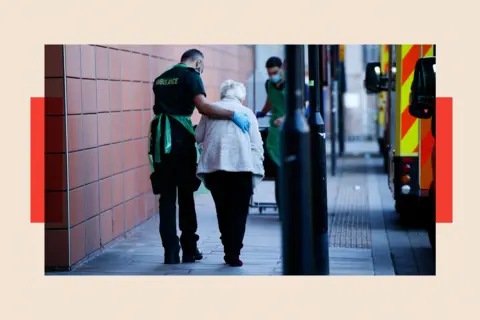
Dr. Price also points to the role of the medical profession itself, suggesting that a significant portion of admissions involve patients in their final year of life. She argues that these individuals are often over-treated with interventions, scans, and medications, which can inadvertently worsen their health. A recent case of an 80-something patient with multiple complex health issues, who only wished to continue one specific eye appointment, highlights the need for a more patient-centred approach. Dr. Price advocates for prioritizing palliative care and symptom management, particularly pain relief, which could significantly improve patients’ quality of life and prevent hospital admissions.
However, investment in end-of-life care remains insufficient, with Marie Curie estimating that nearly a quarter of individuals requiring palliative care do not receive it. Clifford Kilgore emphasizes that prolonged hospital stays for older patients recovering from acute illnesses can lead to immobility and a decline in self-care abilities, creating a "vicious cycle" where hospitalisation itself can cause harm.
He champions "hospital-at-home" services, which provide hospital-level care in patients’ homes for conditions like heart failure and respiratory illness. While these services care for approximately 12,000 people nationwide, their availability is limited. Expanding expert care outside hospitals is a priority for the NHS’s 10-year plan, a development that Kilgore believes is long overdue and could have an immediate positive impact. Yet, for those patients still waiting for beds in Reading, that impact cannot come soon enough.



 Ramos Leo
 atisusanti
 Nakalama John
 George Anjay