Roy Suryo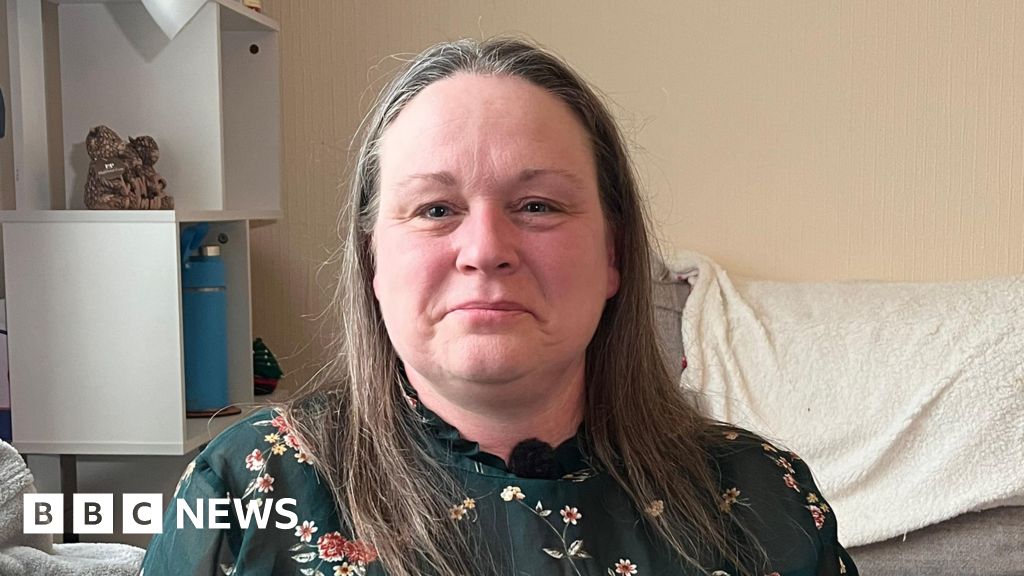
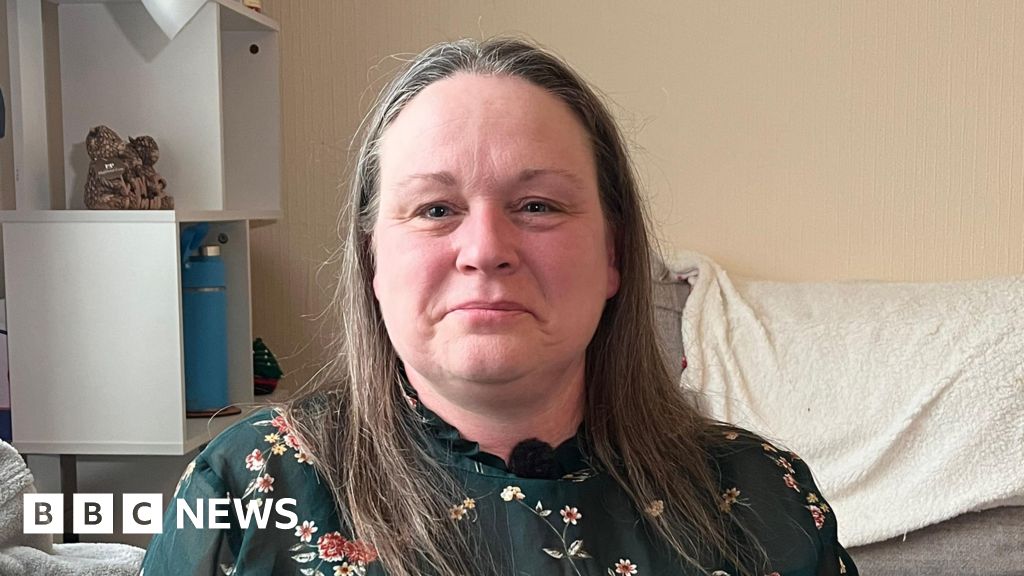
Elaine Gracey, 50, was prescribed a hormonal coil over three years ago to alleviate debilitatingly heavy and painful periods, a condition that has profoundly impacted her quality of life. Despite the clear medical recommendation and her desperate need for relief, she remains on a waiting list, experiencing what she describes as a passive acceptance of her suffering. "One night I was in so much pain I just sat in the bath which turned literally into a blood bath – I was passing so much blood and clots which were the size of baby potatoes," Elaine recounted, her voice tinged with the lingering distress of such experiences. These graphic details underscore the severity of her condition and the inadequacy of the current healthcare provision in Northern Ireland, which, according to the article, has the highest gynaecology waiting lists in the UK.
The coil was intended as the initial step in Elaine’s menopause treatment, a phase of life already fraught with potential challenges. Her daily existence was severely disrupted; the continuous bleeding and pain meant she slept with towels on her sheets, and the exhaustion from lack of sleep often left her struggling to perform her duties as a carer. "At night time I slept with a towel on the sheets, I was in a lot of pain and usually exhausted going to work as I’d little or no sleep," she explained. While she has since been placed on an alternative form of Hormone Replacement Therapy (HRT), Elaine feels her symptoms were not taken with the urgency they warranted. "No woman should have to wait three or four years just to be called – that is not dealing with the issue, but we are just women," she asserted, highlighting a perceived gender bias in the healthcare system’s response to her condition.
The Southern Health Trust acknowledged the "significant distress" caused by lengthy waits for gynaecology services and offered an apology to affected patients. A spokesperson stated that the trust is actively working to reduce waiting times by implementing additional funding, expanding clinic hours, and increasing overall capacity. However, the systemic issues persist, as evidenced by the wider figures presented in the article.
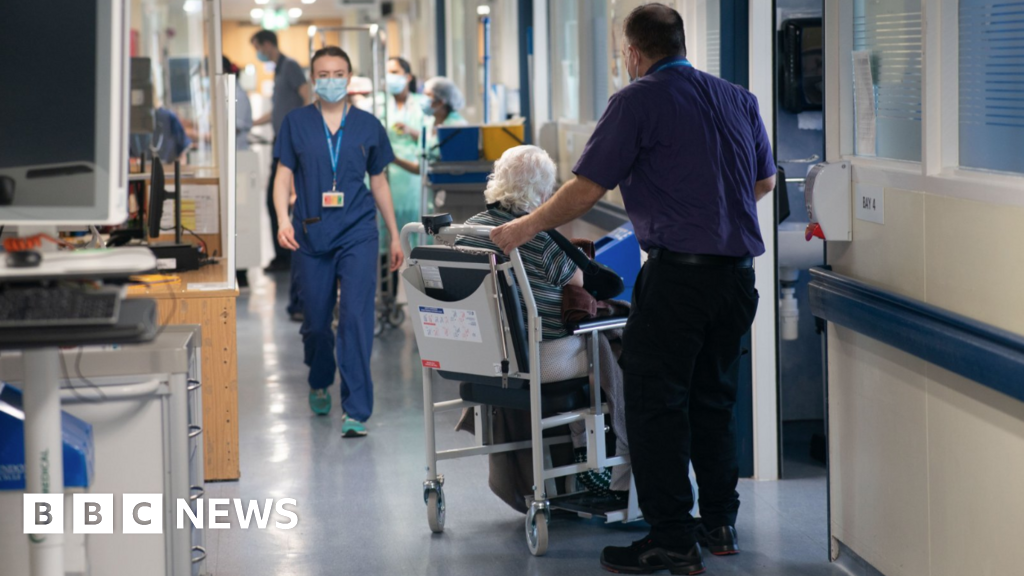
BBC News NI’s investigation into gynaecology and menopause waiting lists across the five health trusts between July and December 2025 revealed a stark reality: 6,597 women were "red flagged," indicating a high priority for specialist consultation. The longest waits extend to an alarming four and a half years in the Southern and Western trusts. The disparity in service provision is also evident, with some trusts operating dedicated menopause clinics while others, constrained by funding limitations, do not.
Adding another layer of concern is the story of Gail Ritchie, 45, who endured a wait of over seven years for treatment. Diagnosed with pelvic congestion syndrome (PCS), a condition characterized by the pooling of blood in pelvic and ovarian veins, Gail’s life was significantly hampered. "I was in a very dark place, bleeding a lot, low mood, it was debilitating mentally and physically," she shared. The initial expectation of a wait gradually dissolved into a dispiriting reality as years passed without an appointment. "The first couple of years you expect to wait, then I thought I will be seen by three years, then that became four then five years and you start to lose hope."
The turning point for Gail came only after she reached the eight-year mark on the waiting list. At this juncture, she opted for private healthcare, a decision that led to an appointment within four weeks. "The difference was night and day, for the first time I felt listened to and heard. I described the symptoms, and he confirmed I wasn’t imagining it and there was a solution," Gail recounted, emphasizing the profound psychological impact of finally being validated and offered a path to recovery. Utilizing her health insurance, she incurred approximately £6,000 for a hysterectomy and commenced HRT. A spokesperson for the Western Trust issued an apology for the delays in patient care and confirmed their participation in the Gynaecology Collaborative initiative aimed at reducing the number of patients experiencing prolonged waits.
Dr. Charlie Beattie, an obstetrician and gynaecologist within the Northern Health Trust, expressed profound concern over the protracted waiting times. "As clinicians, we see the negative impact this has on women’s physical and psychological well-being, and the impact on their families and wider society," he stated. He further elaborated on the challenges women face in seeking timely medical attention: "I do personally feel that many women just struggle on with symptoms and they are not brought to the attention of health care professionals whether it be because of acceptance, an inability to prioritise their own well-being, or challenges with access to services." Dr. Beattie underscored that the resources allocated to providing effective gynaecological services are insufficient to meet the escalating demand.
The implications of delayed menopause care are particularly grave. Dr. Beattie warned that a delay in receiving HRT could elevate the long-term risk of serious health conditions, including osteoporosis, cardiovascular disease, and dementia. The statistics further illustrate this critical gap in care: across four of the five trusts, over 1,000 women are awaiting consultation with a menopause specialist, with the Western Health Trust not offering a dedicated service. The longest waits for menopause appointments are particularly concerning: 160 weeks in the Southern Trust, 146 weeks in the Northern Trust, and 141 weeks in the South Eastern Trust. The Western Health Trust was unable to provide specific statistics. In contrast, the Belfast Trust, which previously faced the longest waits, has seen a significant improvement, with only 34 women currently waiting, the longest wait being a mere four months. This positive shift is attributed, in part, to the funding of two additional consultant posts.
In response to these systemic issues, the Department of Health has announced its commitment to reducing waiting lists and developing specialized care pathways for gynaecological conditions, including menopause care, across all health trusts. The establishment of a regional gynaecology services forum is also underway to oversee and coordinate these efforts. "Although work is at an early stage and will require additional funding, this will include mapping clinical pathways from presentation at GP services into secondary and tertiary care, which will benefit both patients and clinicians," a department spokesperson stated. This comprehensive approach includes a dedicated task and finish group specifically focused on improving menopause care. The article highlights the urgent need for these initiatives to translate into tangible improvements for women like Elaine and Gail, who have endured years of suffering due to systemic failures in healthcare provision. The financial burden of seeking private treatment, as experienced by Gail, further exacerbates existing inequalities, leaving many women with no alternative but to "struggle on."



 Ramos Leo
 atisusanti
 Nakalama John
 George Anjay