
 Nakalama John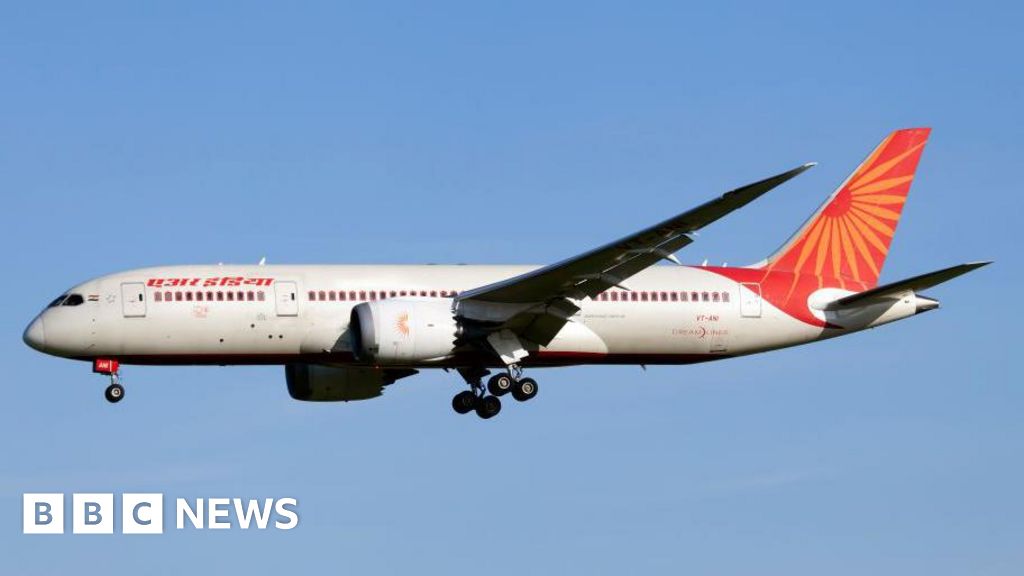
The airline confirmed on Monday that it had promptly informed India’s aviation regulator, the Directorate General of Civil Aviation (DGCA), about the issue. Air India stated its commitment to thoroughly investigating the pilot’s concerns "on a priority basis," emphasizing the seriousness with which such operational anomalies are treated. The specific nature of the defect in the fuel control switch has not been publicly detailed, but any malfunction in such a vital system component can have significant implications for aircraft operation and safety. A fuel control switch is an integral part of an aircraft’s fuel management system, responsible for regulating the flow of fuel to the engines. A faulty switch could potentially lead to inconsistent fuel delivery, engine performance issues, or even a complete engine shutdown, posing a severe risk during flight.
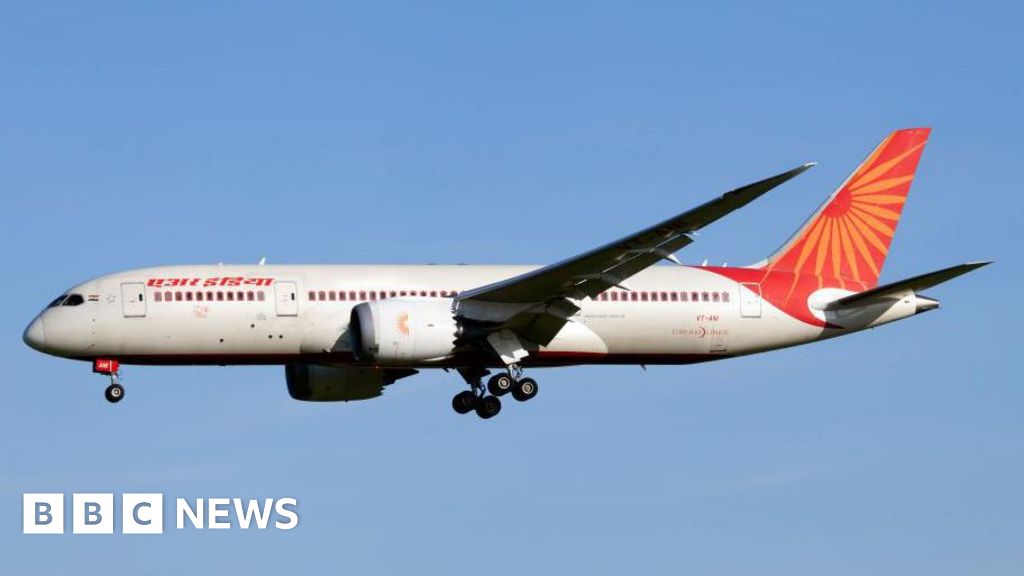
Sources, including reports from Reuters and The Times of India, indicated that the anomaly was identified after the Boeing 787-8, registration details of which were not immediately released, completed a long-haul flight from London to the southern Indian city of Bengaluru. Upon landing, the experienced pilot, whose vigilance led to the grounding, reported the issue, triggering the airline’s comprehensive safety procedures. The aircraft has since been taken out of service to allow for detailed inspections and repairs by technical experts. Boeing, the aircraft manufacturer, has acknowledged the situation. A spokesperson for the American aerospace giant confirmed, "We are in contact with Air India and are supporting their review of this matter," signaling a collaborative effort between the airline and the manufacturer to diagnose and resolve the problem. Such cooperation is standard practice in the aviation industry when potential design or manufacturing issues are identified.
This grounding carries additional weight given its proximity to an ongoing investigation into a tragic plane crash last June involving an Air India aircraft of the very same model. That incident, which occurred less than a minute after a London-bound Air India Boeing 787-8 Dreamliner departed from Ahmedabad airport in western India, resulted in the loss of 260 lives. The Aircraft Accident Investigation Bureau (AAIB) of India has been meticulously investigating the Ahmedabad crash, and its final report is highly anticipated, expected to be released in the coming months. The previous crash had already prompted India’s aviation regulator to take a proactive stance. The DGCA had, in the wake of the Ahmedabad tragedy, ordered a comprehensive investigation and inspection of cockpit fuel switches across all Boeing 787 and Boeing 737 aircraft operating within the country. This directive was a crucial step to ascertain if there were any systemic issues with these critical components across different Boeing fleets.
Air India had previously affirmed that its inspections following the DGCA’s directive did not uncover any issues with the locking mechanism of the fuel control switches on its Boeing 787 fleet. The airline reiterated this stance on Monday, stating, "Air India had checked the fuel control switches on all Boeing 787 aircraft in its fleet after a directive from the DGCA, and had found no issues." This statement underscores that while previous fleet-wide checks yielded no concerns, the recent pilot report indicates a new or previously undetected anomaly that warrants immediate attention. It highlights the dynamic nature of aircraft maintenance and the continuous need for vigilance, even after extensive checks.
The Boeing 787 Dreamliner series is a cornerstone of modern long-haul aviation, known for its fuel efficiency, advanced composite materials, and passenger comfort. Air India operates a fleet of these technologically sophisticated aircraft, utilizing them for crucial international routes. The 787-8 variant is a twin-engine wide-body jet, designed for medium to long-range flights, making it a critical asset for global carriers like Air India. Any issue affecting such a high-profile aircraft type naturally attracts significant scrutiny from regulators, airlines, and the flying public.
The role of the pilot in flagging this issue cannot be overstated. Pilots undergo rigorous training to identify anomalies and prioritize safety, and their reports are often the first line of defense against potential hazards. This incident serves as a testament to the effectiveness of the aviation industry’s safety culture, where every crew member is empowered and expected to report any observation that could compromise flight safety. Such proactive reporting mechanisms are fundamental to the continuous improvement of aviation safety standards worldwide.
The grounding of an aircraft, especially a wide-body jet like the Dreamliner, has immediate operational consequences for an airline. It necessitates adjustments to flight schedules, re-routing of passengers, and potential delays, incurring financial costs and logistical challenges. However, airlines consistently prioritize safety over operational expediency, accepting these disruptions as a necessary measure to uphold their commitment to passenger well-being. Air India’s swift response demonstrates this unwavering commitment.
From a broader industry perspective, incidents involving critical systems like fuel controls in widely used aircraft models can lead to broader regulatory actions. If the investigation into this specific fuel control switch issue reveals a systemic design flaw or a manufacturing defect that extends beyond a single aircraft, the DGCA, or even international aviation bodies, could issue airworthiness directives (ADs) requiring inspections or modifications across entire fleets globally. Such directives ensure that any potential safety vulnerability is addressed comprehensively across all operators of the affected aircraft type.
The ongoing AAIB investigation into the June crash adds another layer of complexity and urgency to the current grounding. While there’s no immediate public link established between the specific fuel control switch issue reported by the pilot and the cause of the previous crash, the fact that both involve the same aircraft model and touch upon critical systems underscores the need for thorough and transparent investigations. The aviation community will be keenly awaiting the findings of both the immediate investigation into the grounded aircraft and the final report on the Ahmedabad crash, hoping to glean insights that can further enhance safety protocols.
In conclusion, Air India’s decision to ground a Boeing 787-8 Dreamliner following a pilot’s report of a fuel control switch issue is a prudent and necessary step. It exemplifies the aviation industry’s proactive approach to safety, where pilot vigilance, rigorous maintenance, and regulatory oversight converge to mitigate risks. As Air India collaborates with Boeing and the DGCA to thoroughly investigate this matter, and as the AAIB continues its work on the tragic Ahmedabad crash, the focus remains firmly on upholding the highest standards of aviation safety for all passengers and crew. The outcome of these investigations will undoubtedly contribute to the ongoing evolution of aircraft safety protocols, reinforcing public confidence in air travel.




 George Anjay
 Ramos Leo
 Roy Suryo
 atisusanti