Roy Suryo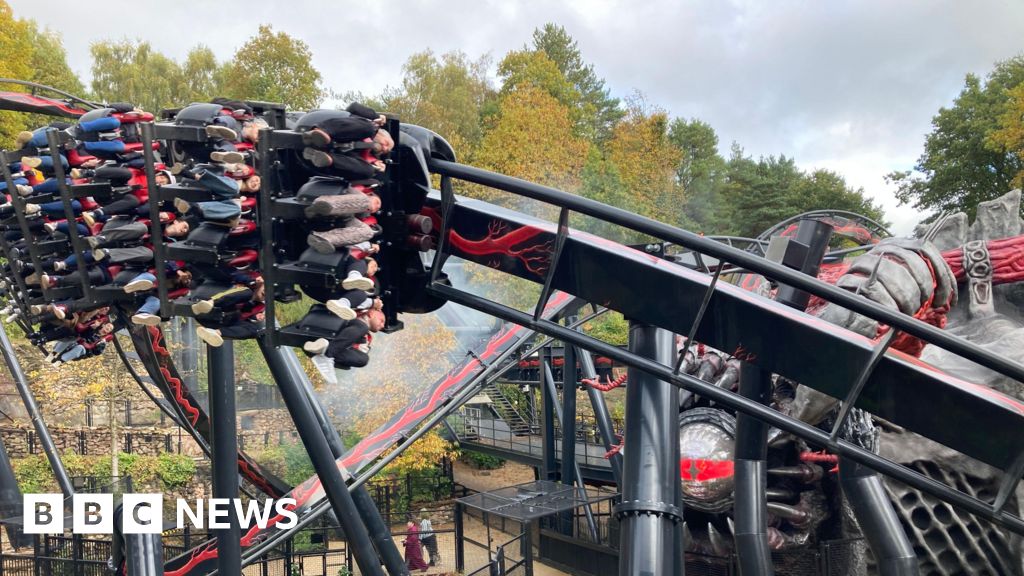
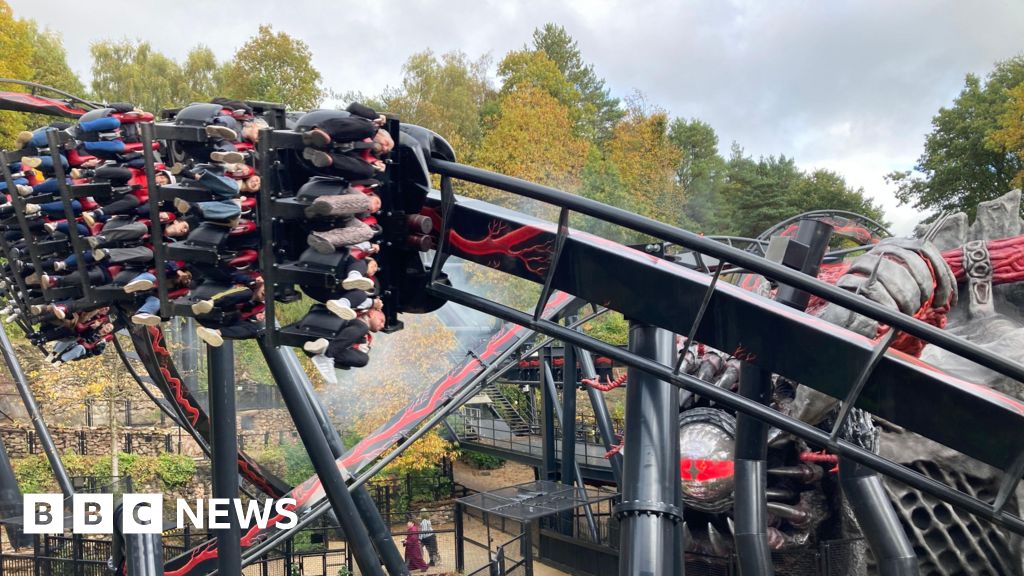
A controversial new policy set to be trialled at Alton Towers this February half-term will see some visitors with conditions such as ADHD, anxiety, and autism excluded from the theme park’s disability queuing system. Merlin Entertainments, the operator of Alton Towers, Chessington World of Adventures, and Windsor Legoland, has announced that the Ride Access Pass, designed to assist guests with disabilities or medical needs who struggle with traditional queuing, will have its eligibility criteria significantly narrowed during this trial period. This move, presented as a measure to address increasing demand and reported system failures, has ignited widespread criticism from disability advocacy groups and individuals who argue it unfairly penalises neurodivergent visitors and those with mental health conditions.
The Ride Access Pass system, a cornerstone of Merlin Entertainments’ commitment to accessibility, has historically provided an alternative to lengthy queues for individuals whose disabilities or medical conditions make standing for extended periods or navigating crowded environments a significant challenge. However, the company states that a surge in applications for the pass has led to a situation where the system is reportedly "simply isn’t working for them," with disabled visitors experiencing increased wait times. In response, a trial has been implemented to restrict access, with the focus shifting from "difficulty with crowds" to specific needs such as "difficulty standing," "level access," or "urgent toilet needs." Consequently, individuals whose primary barrier to enjoying the park is related to neurodivergence or anxiety-induced distress in crowded settings will now be required to queue alongside other visitors, unless they opt for the paid "Fastrack" service.
The rationale behind the previous inclusion of individuals with conditions like ADHD and anxiety stemmed from the well-documented challenges these conditions can present in overwhelming environments. Neurodivergent individuals, in particular, are susceptible to sensory overload and panic attacks when exposed to large crowds, loud noises, and prolonged periods of waiting. For someone with ADHD, the inherent need for movement and stimulation can make the static nature of a queue an almost insurmountable obstacle, leading to significant distress and an inability to participate in attractions. Similarly, individuals with anxiety disorders may experience intense fear and physical symptoms, such as breathlessness and dizziness, in such situations. The previous iteration of the pass acknowledged these challenges, offering a vital accommodation that allowed a broader spectrum of disabled visitors to experience the theme park.
The current change in policy is partly attributed to an update by Nimbus, a recognised disability access card provider. Nimbus has bifurcated its former "standing and queuing" category into two distinct symbols: one denoting "difficulty standing," primarily for physical impairments, and another for "difficulty with crowds," often associated with neurodivergence and mental health conditions. During the half-term trial, Merlin Entertainments will direct individuals whose Nimbus card displays only the "difficulty with crowds" icon to guest services for personalised support. This suggests that while the park acknowledges these needs, it is no longer willing to accommodate them through the expedited queuing system, pushing these individuals towards less direct forms of assistance or the costly Fastrack option.
Henry Shelford, chief executive of the ADHD UK charity, has voiced strong opposition to the new restrictions, labelling them as discriminatory. He articulated that excluding individuals solely based on their difficulty with crowds represents a "lack of accommodation" that will leave a "group of people excluded." Shelford stressed the fundamental difference between general discomfort with queuing and the incapacitating effects that conditions like ADHD can have. He explained, "It’s different from a child just not being happy about it, because no one likes queuing. When a kid has ADHD, their energy and their focus makes [queuing] just impossible. As an adult with ADHD, I can tell you there’s a whole lot of stuff I haven’t done because I can’t face the queuing. I have a need to move all the time, and being penned in in that way is very difficult for me as an adult. And it’s near impossible for children and others." His testimony highlights the profound personal impact of being unable to access activities due to systemic inaccessibility.
The alternative offered by Alton Towers is the "Fastrack" pass, which allows visitors to bypass regular queues. However, this option comes at a significant additional cost, with prices starting at £35 on top of the standard ticket price. For many families, particularly those with multiple children or individuals requiring the pass, this expense can be prohibitive, effectively creating a two-tiered system where only those who can afford the premium service can enjoy the park without facing debilitating queues. This commercialisation of accessibility raises concerns about equity and whether the fundamental right to enjoy leisure activities should be contingent on financial means.
Rob Smith, chief operating officer at Merlin Entertainments, acknowledged the growing demand for the Ride Access Pass had created challenges. He stated, "Our commitment to supporting neurodiverse guests and those with mental health needs remains," and that the company is "listening carefully to this feedback and are committed to keeping this approach under review ahead of our main season openings in March." He further emphasised, "We remain deeply committed to creating inclusive experiences and ensuring all guests feel supported when visiting our attractions." Despite these assurances, the immediate implementation of the trial and the significant narrowing of eligibility criteria during a busy half-term period have left many feeling unsupported and unheard. The company’s assertion of commitment to inclusivity appears to be at odds with the practical implications of their new policy.
The decision by Merlin Entertainments to trial these restrictions comes at a time when awareness and understanding of neurodiversity and mental health conditions are growing. Many organisations and businesses are striving to implement more inclusive practices. The move by Alton Towers, therefore, is seen by critics as a step backward, potentially exacerbating the social exclusion faced by individuals with ADHD, anxiety, and autism. The park’s justification for the change, citing system strain and the need for a more focused approach to eligibility, is being met with skepticism, with many arguing that a more effective solution would involve expanding resources and staff to manage the existing system, rather than restricting access. The upcoming review in March will be closely watched by disability advocates and the wider public to see if Alton Towers will indeed reconsider its approach and reinstate a more inclusive policy. The current trial, however, casts a shadow over the February half-term for many families who had hoped for an accessible and enjoyable day out.



 Ramos Leo
 Nakalama John
 George Anjay