
 Nana Banana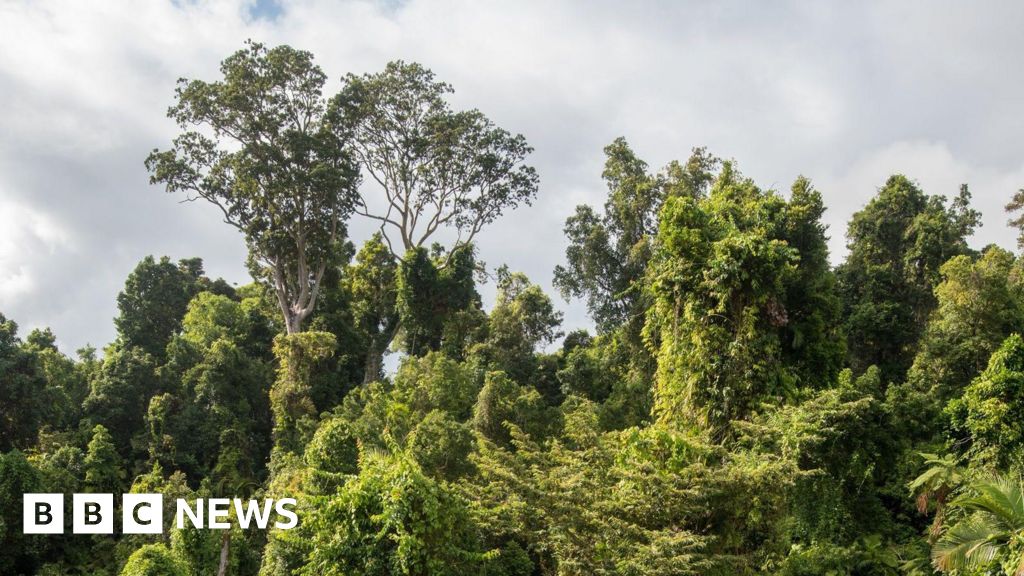
However, a groundbreaking study, meticulously examining extensive data from the ancient forests of Queensland, has unveiled a disturbing shift. Researchers found that a significant increase in extreme temperatures, coupled with atmospheric dryness and prolonged droughts, has led to an unprecedented surge in tree mortality. This heightened rate of tree deaths has outpaced the growth of new trees, fundamentally disrupting the delicate carbon balance that defines a healthy rainforest ecosystem. The implications of this finding are profound, challenging long-held assumptions about the capacity of natural systems to mitigate the worst effects of global warming.
The comprehensive study, published in the prestigious science journal Nature, drew upon an extraordinary dataset spanning 49 years and encompassing observations from 20 distinct forest plots within Queensland’s Wet Tropics. This region, a UNESCO World Heritage area, is renowned for its exceptional biodiversity, unique flora and fauna, and its Gondwanan lineage, making its health a critical indicator for global ecological stability. The longevity and depth of the data collection, tracking individual tree growth, mortality, and biomass changes over nearly five decades, lend immense credibility to the study’s stark conclusions.
Dr. Hannah Carle, the lead author of the study from Western Sydney University, emphasized the far-reaching consequences of these findings for global emissions reduction targets. "Current models may overestimate the capacity of tropical forests to help offset fossil fuel emissions," Dr. Carle stated, highlighting a potentially critical flaw in international climate strategies. If ecosystems previously relied upon to absorb vast quantities of carbon are now releasing it, the global carbon budget – the amount of CO2 humanity can emit while still hoping to limit global warming – shrinks considerably, demanding even more aggressive cuts to anthropogenic emissions.
The report further elucidated that approximately 25 years ago, the trunks and branches of dead trees, collectively known as woody biomass, began to transition from being net carbon absorbers to net carbon emitters. In a balanced forest, the carbon released during the decomposition of dead wood is quickly reabsorbed by the vigorous growth of new trees. However, with fewer new trees establishing and thriving, the carbon stored within the dead woody biomass is released into the atmosphere through decay, without being adequately sequestered by new growth, resulting in a net increase in atmospheric carbon. "Forests help to curb the worst effects of climate change by absorbing some of the carbon dioxide released from burning fossil fuels, but our work shows this is under threat," Dr. Carle warned.
Dr. Carle explicitly linked the observed increase in tree mortality over recent decades to the intensifying impacts of climate change. Rising global temperatures place immense physiological stress on trees, potentially reducing their photosynthetic efficiency – the process by which they absorb CO2 – and increasing their respiration rates, leading to a net loss of carbon. Furthermore, prolonged periods of atmospheric dryness and severe drought deplete soil moisture, making trees more susceptible to disease, pest infestations, and ultimately, desiccation and death. The study also highlighted another significant climate-related factor: an observed rise in the frequency and severity of cyclones impacting Queensland’s coast. These powerful storms cause catastrophic physical damage to the forest canopy, uprooting trees, snapping trunks, and defoliating vast areas. The prolonged recovery periods after such extreme weather events hinder the forest’s ability to regenerate and sequester carbon effectively.
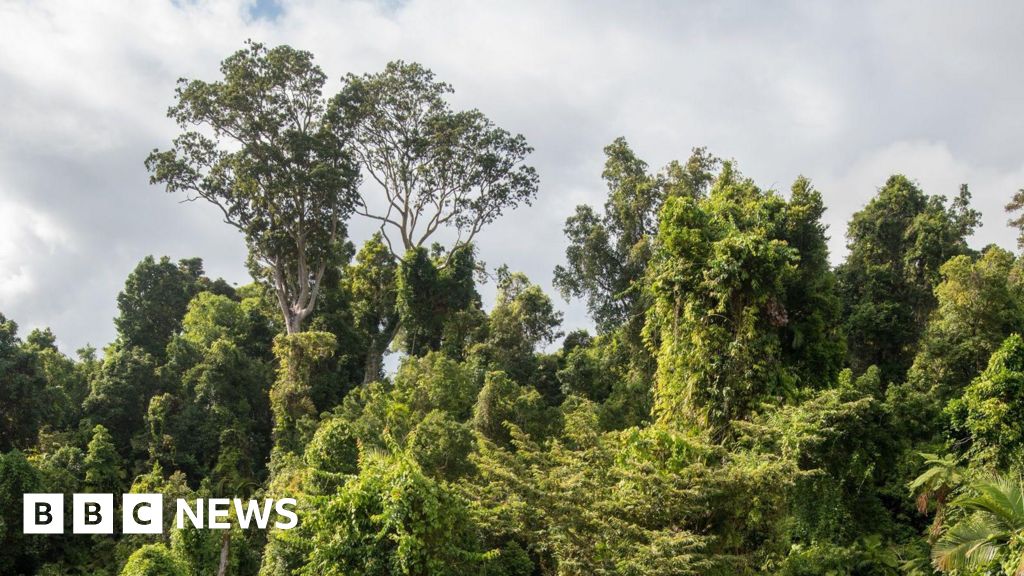
"We have in this study evidence that Australia’s moist tropical forests are the first of their kind globally to exhibit this [woody biomass] change," Dr. Carle declared, underscoring the groundbreaking and deeply concerning nature of the discovery. She likened this phenomenon to a "canary in the coal mine," signaling a potential tipping point not just for Australia, but for tropical rainforests worldwide. This analogy carries a potent warning: if one of the world’s most resilient and ancient rainforests is succumbing to climate change, it suggests that other major tropical forest biomes, already under immense pressure from deforestation, logging, and other climate stressors, may soon follow suit.
Senior author Patrick Meir echoed these concerns, describing the results as "very concerning." Speaking to news agency AFP, Meir suggested it was "likely that all tropical forests [would] respond fairly similarly" to escalating climate pressures, although he prudently added that more data and research would be crucial to make a comprehensive global assessment. The Amazon rainforest, for instance, has already shown signs of reduced carbon uptake and increased vulnerability to drought and fires, raising fears that it too could be approaching a critical threshold. Should these vast ecosystems transition from carbon sinks to carbon sources, the global effort to combat climate change would face an almost insurmountable challenge.
This scientific revelation places Australia’s climate policies under even greater scrutiny. The nation, historically one of the world’s largest per capita polluters, recently announced new carbon reduction targets, pledging to cut emissions by at least 62% compared to 2005 levels over the next decade. While seemingly ambitious, these targets are juxtaposed against Australia’s continued, and often controversial, reliance on fossil fuels. The country faces persistent global criticism for its role as a major exporter of coal and natural gas, and for its domestic approvals of significant fossil fuel projects.
A prime example of this policy contradiction is the government’s decision to allow one of the country’s largest gas projects, Woodside’s North West Shelf, to continue operating for another 40 years. Such long-term commitments to fossil fuel extraction and export not only lock in future emissions but also send a mixed message about Australia’s genuine commitment to global climate action, especially in light of the dire warnings emerging from its own backyard. The degradation of its precious rainforests serves as a powerful and immediate reminder of the tangible costs of inaction and inconsistent environmental policies.
The findings from Queensland’s rainforests underscore the urgent need for a two-pronged approach to climate action: drastic global emissions reductions and robust, localized conservation efforts. While protecting existing forests and investing in reforestation are critical, they cannot be seen as a standalone solution or a substitute for addressing the root causes of climate change. The "canary in the coal mine" has sung its warning, and the scientific community’s message is clear: the time to act decisively to safeguard both natural ecosystems and the future of our planet is now, before more of Earth’s vital carbon sinks become irreversible carbon sources.


 Ramos Leo
 atisusanti
 Nakalama John
 George Anjay

 Roy Suryo