George Anjay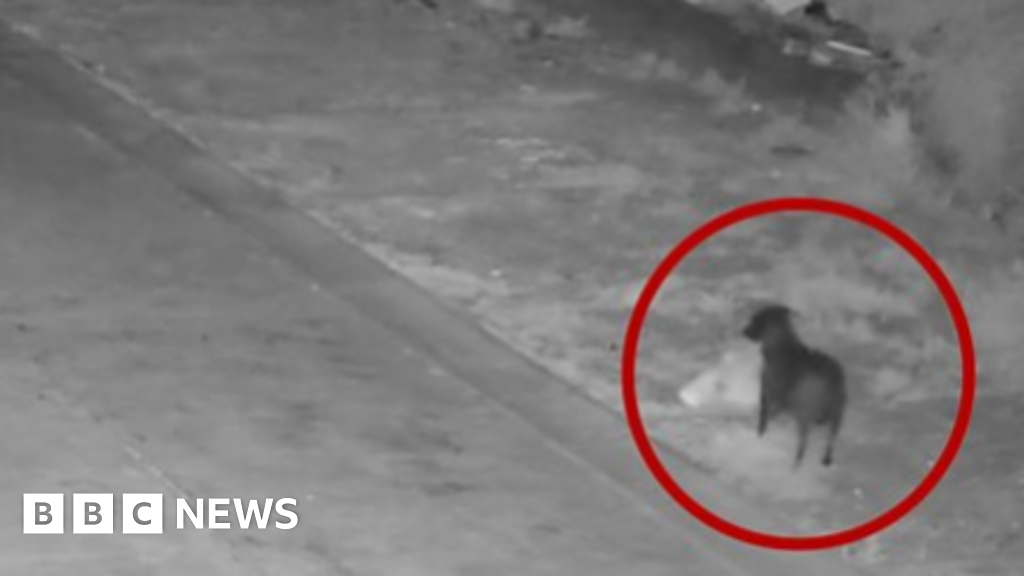
In a peculiar and frankly disheartening display of environmental disregard, authorities in Catania, Sicily, have accused a man of ingeniously, yet illegally, training his dog to dispose of rubbish bags along a quiet roadside, a method he allegedly employed to circumvent surveillance cameras and avoid penalties for illegal waste dumping. The bizarre scheme, which has garnered international attention for its audacious nature, was brought to light by compelling video footage released by Italian police, capturing the surprising scene on two consecutive days in the San Giorgio district of Catania. The footage shows a small dog, seemingly unfazed by its illicit cargo, leisurely trotting down a road with a bag of refuse firmly held in its mouth, before unceremoniously dropping it by the wayside, a silent accomplice in its owner’s environmentally destructive ploy.
Local authorities, presented with this undeniable visual evidence, have asserted that the canine’s deliberate actions leave "little room for doubt" regarding the owner’s intent and the dog’s trained behaviour. The implication is clear: the dog was not merely carrying a stray bag, but was actively engaged in a clandestine operation orchestrated by its human companion to dispose of household waste illicitly. This elaborate, albeit misguided, attempt to evade detection highlights a disturbing level of resourcefulness dedicated to circumventing environmental regulations. The City of Catania, in a public statement on its official Facebook page, decried the man’s actions, proclaiming, "Ingenuity can never become an alibi for incivility." This sentiment underscores the frustration of local officials who are battling a persistent problem of illegal waste dumping, a practice that tarnishes the picturesque landscapes of Sicily and poses a significant threat to public health and the environment.
Officials further characterized the dog’s role as "cunning" and "doubly wrong," emphasizing the unethical dimension of the owner’s actions. The phrase "doubly wrong" points to a two-fold transgression: the act of illegal dumping itself, and the exploitation of an innocent animal to facilitate this crime. By enlisting his pet in this illicit activity, the man not only violated environmental laws but also subjected his "unwitting four-legged friend" to a role that is both demeaning and potentially harmful. The statement continued with a powerful reminder of collective responsibility: "Respect for decorum and the environment is everyone’s duty." This plea resonates with the broader societal imperative to protect natural resources and maintain clean, healthy communities for all.
While the details of any punitive measures taken against the man remain undisclosed in the initial reports, the public condemnation by the City of Catania signifies a firm stance against such environmentally irresponsible behaviour. The case serves as a stark illustration of the lengths to which some individuals will go to avoid their civic duties, even resorting to employing animals in their schemes. Fly-tipping, as this practice is commonly known, is not only illegal in Italy but also represents a pervasive and persistent problem that local authorities have been diligently attempting to address. The sheer audacity of this particular incident, involving a trained dog, has undoubtedly captured public imagination, highlighting the innovative, yet ultimately flawed, strategies employed by those seeking to flout regulations.
The challenge of combating illegal waste dumping is a multifaceted one, requiring a combination of enforcement, public education, and technological solutions. Local authorities in Catania and across Italy have been actively implementing various strategies to curb this unsightly and harmful practice. One of the most effective methods has been the deployment of surveillance cameras in known fly-tipping hotspots. These cameras serve a dual purpose: as a deterrent to potential offenders and as a tool for gathering evidence to identify and prosecute those caught in the act. The irony of the man in this case is that his attempt to evade CCTV cameras by using his dog ultimately led to his exposure, as the very act he was trying to conceal was captured on film.
The persistence of fly-tipping, despite these efforts, speaks to the complex socio-economic factors that can contribute to the problem. In some instances, individuals may resort to illegal dumping due to a lack of awareness about proper waste disposal methods, the cost of authorized waste removal services, or a general disregard for environmental regulations. However, cases like the one in Catania suggest a more deliberate and calculated approach by some offenders, who actively seek out ways to circumvent the system. The use of a dog, therefore, represents a particularly egregious example of this calculated evasion.
The environmental consequences of illegal dumping are far-reaching. Discarded waste can contaminate soil and water sources, posing serious risks to human health and ecosystems. Plastics, chemicals, and other hazardous materials can leach into the ground, polluting agricultural land and waterways. Furthermore, the unsightly presence of rubbish heaps can degrade the aesthetic appeal of natural landscapes, impacting tourism and the overall quality of life for residents. The animal kingdom also suffers, with wildlife often ingesting or becoming entangled in discarded waste.
The City of Catania’s response, emphasizing that "ingenuity can never become an alibi for incivility," highlights a crucial distinction between clever problem-solving and unethical behaviour. While innovation is generally lauded, its application must be guided by a moral compass and a respect for the law and the environment. The man’s actions, therefore, are not to be admired for their cleverness but condemned for their illegality and their exploitation of an innocent creature. The statement also implicitly acknowledges the ethical quandary of the situation – the man, in his pursuit of convenience or cost-saving, has placed his pet in a position of complicity, turning it into an unwitting instrument of his environmental transgression.
The broader implications of this incident extend beyond the immediate legal ramifications for the individual involved. It serves as a potent reminder of the ongoing battle against environmental crime and the need for robust enforcement and public awareness campaigns. As communities strive to become more sustainable and environmentally conscious, such instances of deliberate disregard for regulations are particularly disheartening. The success of initiatives aimed at tackling illegal waste dumping relies heavily on the cooperation of the public, who are encouraged to report any suspicious activity and to adhere to proper waste disposal practices.
The use of animals in illegal activities, while seemingly novel in this context, is not entirely unprecedented. Throughout history, animals have been employed in various capacities, some legal and some not. However, the deliberate training of a domestic pet for the purpose of committing an environmental crime raises particular ethical concerns about animal welfare and the human-animal bond. The dog, in this scenario, is a victim of its owner’s irresponsibility, placed in a situation where its natural behaviours are being manipulated for illicit purposes.
The ongoing efforts by local authorities in Catania to address fly-tipping underscore their commitment to preserving the environmental integrity of the region. The deployment of surveillance technology, coupled with public awareness initiatives and strict enforcement, forms a crucial part of their strategy. The incident involving the trained dog, while unusual, serves as a stark reminder of the diverse and often surprising methods employed by those seeking to evade environmental regulations. It compels authorities to remain vigilant and adaptable in their approach to combating this persistent problem.
In conclusion, the case of the man accused of training his dog to illegally dump rubbish in Catania, Sicily, offers a peculiar and concerning glimpse into the lengths some individuals will go to circumvent environmental laws. The video footage, the strong condemnation from local authorities, and the ethical implications of exploiting an animal all contribute to the notoriety of this incident. While the ultimate outcome for the man remains to be seen, the case serves as a powerful testament to the ongoing challenges faced by authorities in their fight against illegal waste dumping and the importance of fostering a collective sense of responsibility towards the environment. The message from Catania is clear: ingenuity should be directed towards positive societal contributions, not towards perpetuating environmental harm, especially at the expense of innocent creatures.




 atisusanti
 Nakalama John
 Ramos Leo
 Roy Suryo