George Anjay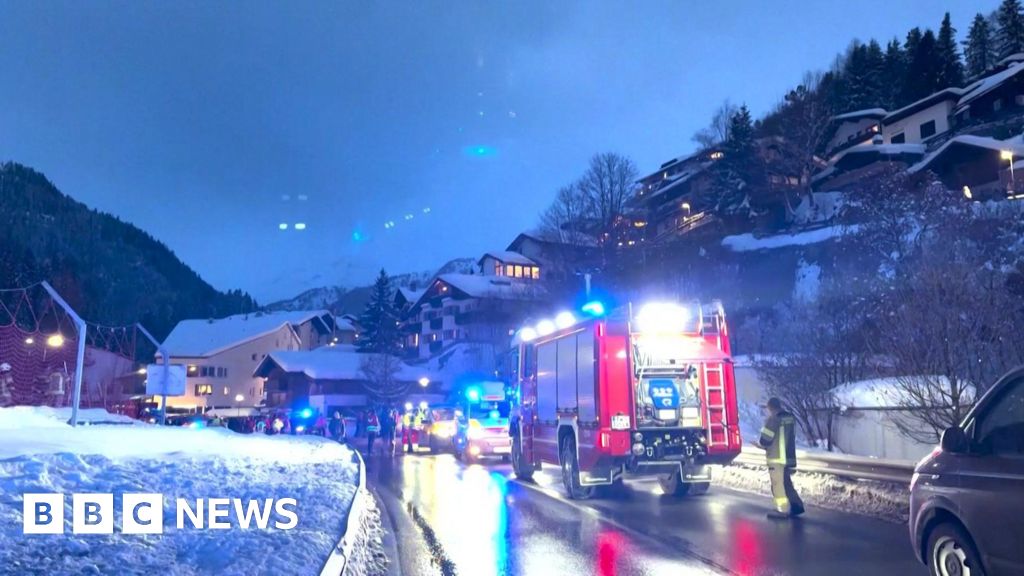
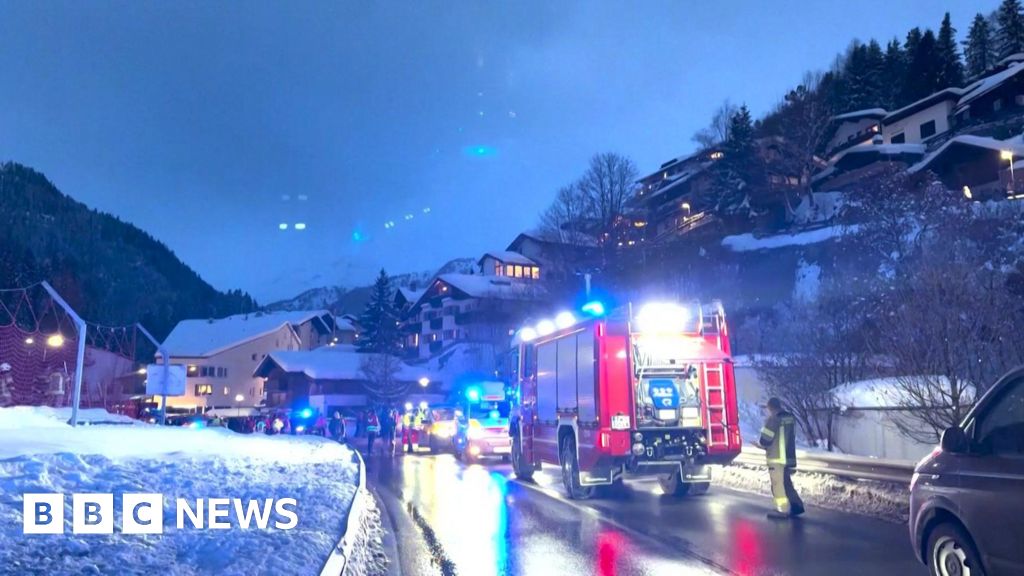
Five people have tragically lost their lives in a series of devastating avalanches that swept through the Austrian Alps on Friday, a stark reminder of the perilous nature of winter sports in the region. The heavy snowfall, while a boon for winter enthusiasts, has amplified the existing avalanche risk, transforming popular ski slopes into treacherous zones. Among the deceased was a 42-year-old German man, who was tragically caught in an avalanche alongside his 16-year-old son. The teenager, though surviving the initial onslaught, was airlifted to a hospital for urgent medical attention, underscoring the severity of the incident in Nauders, a picturesque locale nestled near the borders of Switzerland and Italy.
The grim toll continued to mount with another fatal avalanche striking near the renowned St. Anton resort, claiming the lives of three skiers. In a separate incident in the neighboring Vorarlberg region, a snowboarder met a similar fate, buried beneath a cascade of snow. These incidents bring Austria’s grim avalanche-related death toll for the current winter season to at least 21, a figure that sadly mirrors the broader trend across the entire Alpine range, where dozens of lives have already been tragically claimed.
The avalanche risk in parts of Tyrol, the province where two of Friday’s fatal avalanches occurred, remains at a heightened level, signaling that avalanches are not only possible but likely. Both of these deadly events transpired in off-piste areas, terrain that is notoriously less controlled and therefore more susceptible to natural snow slides. Authorities, speaking to Austrian media outlets, indicated that the avalanche near St. Anton am Arlberg, which tragically killed three men, was likely triggered by the skiers themselves. This grim detail highlights the critical importance of adhering to safety guidelines and understanding the inherent dangers of venturing into ungroomed areas.
The identities of the three skiers killed in the St. Anton avalanche have been partially revealed, with public broadcaster ORF reporting that two of the victims were of American and Polish nationality. The third individual was a 21-year-old Austrian who succumbed to his injuries in hospital. A major rescue operation was swiftly launched in the aftermath of this incident, involving four mountain rescue teams, three helicopters, and numerous emergency service personnel. Their efforts, though commendable, were ultimately unable to save all those caught in the icy grip of the avalanche. Two other men were successfully recovered from the scene, albeit with injuries, a testament to the dedication and bravery of the rescue crews.
Adding to the day’s tragedies, a 53-year-old man lost his life in an unrelated incident in the northern city of Linz. This victim was crushed by a snow plough that inexplicably slid down a set of stairs while he was engaged in clearing snow. The severity of the impact was such that he died at the scene, a somber conclusion to a routine task.
The significant snowfall that blanketed the region on Friday not only brought danger but also considerable disruption. Power outages were widespread, plunging communities into darkness and disrupting daily life. Transport networks ground to a halt, particularly in the southeastern parts of the country. The Red Cross was mobilized to assist individuals stranded in lengthy traffic jams in the state of Styria, where a local motoring organization described the road conditions as "virtually inaccessible to private vehicles." The sheer volume of snow rendered major arteries impassable, creating a scene of widespread logistical chaos.
Even air travel was not immune to the weather’s fury. Vienna International Airport was forced to temporarily close its operations in the morning, and afternoon services experienced significant disruptions. The unpredictability of the weather meant that flight schedules were in constant flux, causing further inconvenience and distress for travelers.
The alarming increase in avalanche fatalities this winter season across the Alps is a cause for considerable concern. This year’s death toll has notably surpassed previous years, underscoring the severity of the conditions. The tragic loss of three Britons in France’s La Grave earlier this month serves as another somber reminder of the widespread nature of these deadly snow slides. The combination of heavy snowfall, rising temperatures, and human activity in mountainous regions creates a volatile environment where avalanches can be triggered with devastating consequences.
The Austrian Alps, renowned for their majestic beauty and world-class ski resorts, are also a landscape that demands respect and caution. The recent events serve as a poignant reminder that even in seemingly controlled environments, the raw power of nature can prevail. The ongoing avalanche risk in Tyrol and other mountainous regions necessitates continued vigilance from both authorities and individuals. Skiers and snowboarders are urged to stay informed about avalanche forecasts, avoid off-piste areas unless properly equipped and accompanied by experienced guides, and to always prioritize safety above all else. The pursuit of adventure should never come at the cost of life, and the recent tragedies in Austria serve as a stark and heartbreaking testament to this enduring truth. The resilience of the affected communities will undoubtedly be tested in the coming days as they grapple with the profound loss and the ongoing challenges posed by the severe winter weather. The focus now shifts to recovery, remembrance, and a renewed commitment to avalanche safety education and prevention efforts throughout the Alpine region. The mountains, while offering unparalleled beauty and exhilaration, also demand a profound respect for their inherent power and unpredictability.



 atisusanti
 Nakalama John
 Ramos Leo
 Roy Suryo