
 Nakalama John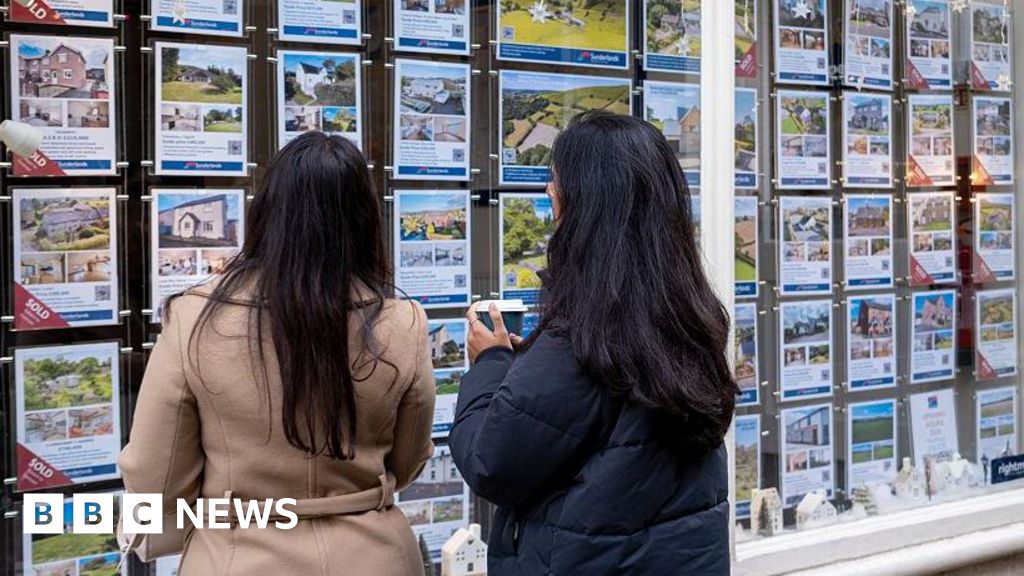
This latest surge represents a notable turnaround from previous months, with Halifax reporting a 0.7% increase in house prices last month. This reversed a 0.5% dip recorded in December, indicating a renewed, albeit cautious, positive momentum entering the new year. On an annual basis, property values were up by 1% compared to January of the previous year, suggesting a period of stabilization and modest growth after a turbulent phase marked by rising interest rates and cost of living pressures. While good news for existing homeowners seeing their equity grow, this new average price point presents an increasingly daunting prospect for first-time buyers striving to enter the market amidst an already challenging affordability landscape.
However, Halifax highlighted a potentially alleviating factor: wage growth has generally outstripped house price inflation since late 2022. This trend, if sustained, could gradually improve underlying affordability over time, making homeownership a slightly less distant dream for some. Furthermore, the mortgage market has witnessed increased competition among lenders in recent weeks, leading to the introduction of products designed to appeal to first-time buyers, often requiring smaller deposits. These developments suggest a nuanced market where underlying economic improvements and lender innovation are working to counteract the impact of rising headline prices.
Karen Noye, a mortgage expert at wealth management company Quilter, acknowledged the mixed implications of this milestone. She noted that while average house prices crossing the £300,000 threshold might be a welcome development for current homeowners, "it’s yet another nail in the coffin for first-time buyers already battling stretched affordability." The challenge for aspiring homeowners is multifaceted. Not only are property prices at a record high, but despite recent falls, mortgage rates remain "materially above the ultra-low levels people became used to over the previous decade." This shift fundamentally alters the cost of borrowing, requiring higher monthly repayments and placing greater strain on household budgets. Noye added that this higher rate environment "continues to weigh on confidence, although at some point people will get used to this new normal and those rates become a pleasant but distant memory." This suggests an adaptation period for buyers, where the current rates, while elevated compared to the recent past, might eventually be perceived as the standard.
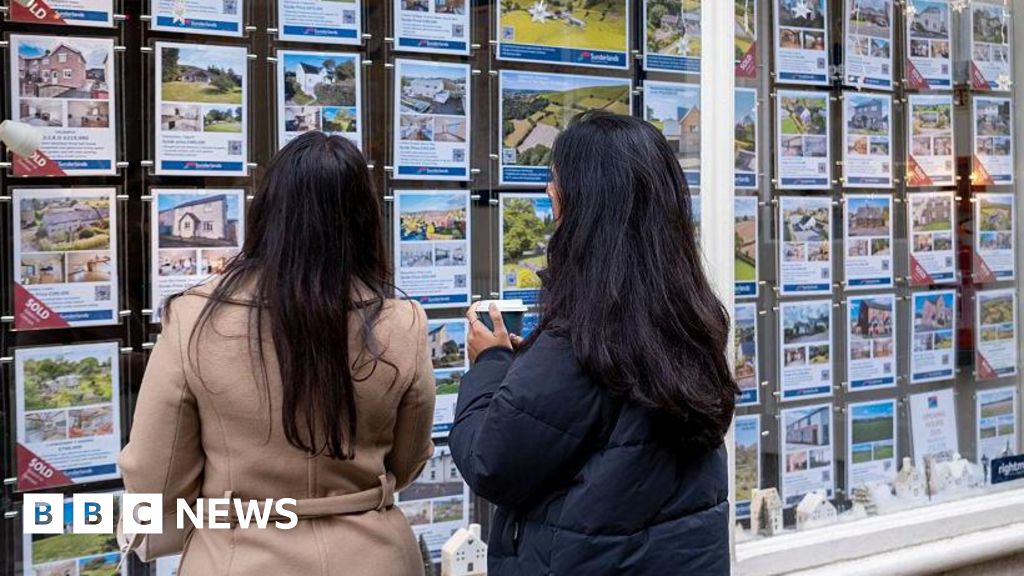
The difference in house price estimations across various lenders is a recurring theme in the UK property market. Halifax, being the UK’s biggest mortgage lender, bases its figures on its extensive mortgage lending data, which can differ significantly from other surveys. For instance, rival lender Nationwide, earlier this week, reported a 0.3% rise in January, placing its average house price at £270,873. This considerable discrepancy (£300,077 vs £270,873) underscores the importance of understanding the methodologies behind these indices. Differences can arise from the geographical spread of their lending portfolios, the types of properties they lend against, or the specific timing of data collection. Halifax, for example, might have a larger proportion of its lending in higher-value areas or towards larger properties, skewing its average upwards compared to Nationwide. These variations mean that while each report offers valuable insights into market trends, a comprehensive understanding requires considering multiple data sources and their unique perspectives.
Amanda Bryden, head of mortgages at Halifax, commented on the market’s trajectory, stating that the housing market had commenced the year on a "steady footing." She reiterated that despite this stability, the average price passing the £300,000 mark means "affordability remains a challenge for many would-be buyers." Nevertheless, she pointed to the positive trend of wages rising faster than property prices since late 2022, which is "steadily improving underlying affordability." This dynamic is crucial, as it suggests that the real cost of housing relative to income might be improving, even as nominal prices climb. Bryden emphasized that this is "a positive trend for buyers, and the long-term health of the market."
Further optimism stems from the evolving mortgage landscape. Bryden noted, "We’re now seeing more mortgage deals below 4%." This reduction in borrowing costs, driven by a combination of easing inflation and increased competition among lenders, is a significant factor in boosting buyer confidence. The expectation is that "if inflation continues to ease, there should be further gradual reductions as the year goes on," making mortgage products even more accessible. Looking ahead, Halifax predicts that house prices are "likely to edge up between 1% and 3% this year," indicating a forecast of continued, albeit moderate, growth.
The broader economic context plays a crucial role in shaping these predictions. Expectations of potential interest rate cuts by the Bank of England later in the year are central to the outlook. Karen Noye suggested that if such cuts materialize, their impact on the housing market would be "more likely to be gradual support for affordability rather than a sudden jump in prices." This measured expectation reflects the lingering caution in the market. While the immediate shock of rapidly rising rates has subsided, a full resurgence of "enthusiasm" that would drive rapid price escalation has not yet occurred. Noye concluded that "stability has returned, but enthusiasm has not and that is likely to keep price growth contained over the months ahead."
The journey to £300,000 has been a long one, punctuated by periods of rapid growth and significant corrections. For decades, homeownership has been a cornerstone of personal wealth in the UK, often seen as a more reliable investment than other asset classes. However, the consistent rise in property values, particularly in comparison to average earnings, has created an increasingly stratified market. The average house price in January 2006, according to Halifax, was approximately £168,982. This means that over two decades, the average price has nearly doubled, far outstripping wage inflation over the same period for many demographics. This historical context highlights the scale of the challenge for new entrants.
The current market dynamics are a complex interplay of several factors. On the demand side, a relatively resilient job market, coupled with the aforementioned wage growth, provides a foundation for buyer confidence. However, borrowing costs, though declining, remain a significant hurdle. Many potential buyers are still grappling with the higher cost of living, which impacts their ability to save for deposits. Supply also remains a perennial issue in the UK housing market, with a chronic shortage of new homes failing to keep pace with demand, particularly in desirable urban and suburban areas. This structural imbalance inherently places upward pressure on prices.
Looking forward, the trajectory of inflation will be paramount. Should inflation continue its downward trend, it would provide the Bank of England with more scope to reduce its base rate, further lowering mortgage costs. This would likely inject more confidence into the market, but as Noye suggests, it may not lead to an immediate boom. Other factors, such as government policies around planning, housing development, and support for first-time buyers (e.g., potential successors to Help to Buy schemes or tweaks to stamp duty), could also influence the market’s direction. The housing market is a crucial barometer for the UK economy, and its steady, albeit challenging, progression above the £300,000 mark signifies both underlying resilience and persistent affordability struggles for a significant portion of the population. The coming months will reveal whether the current "steady footing" can truly translate into a more accessible and equitable market for all.




 George Anjay
 Ramos Leo

 atisusanti