
 Nakalama John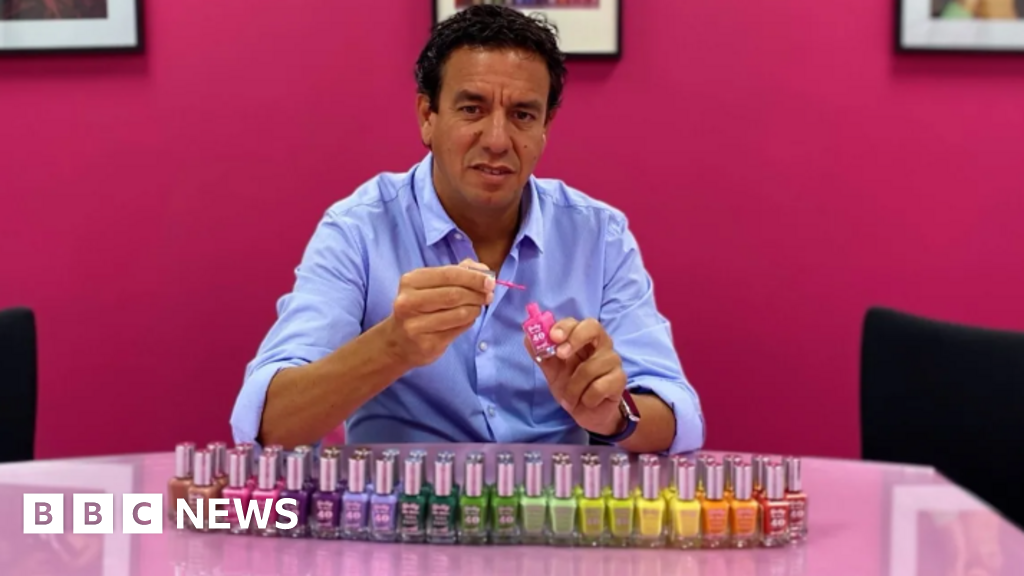
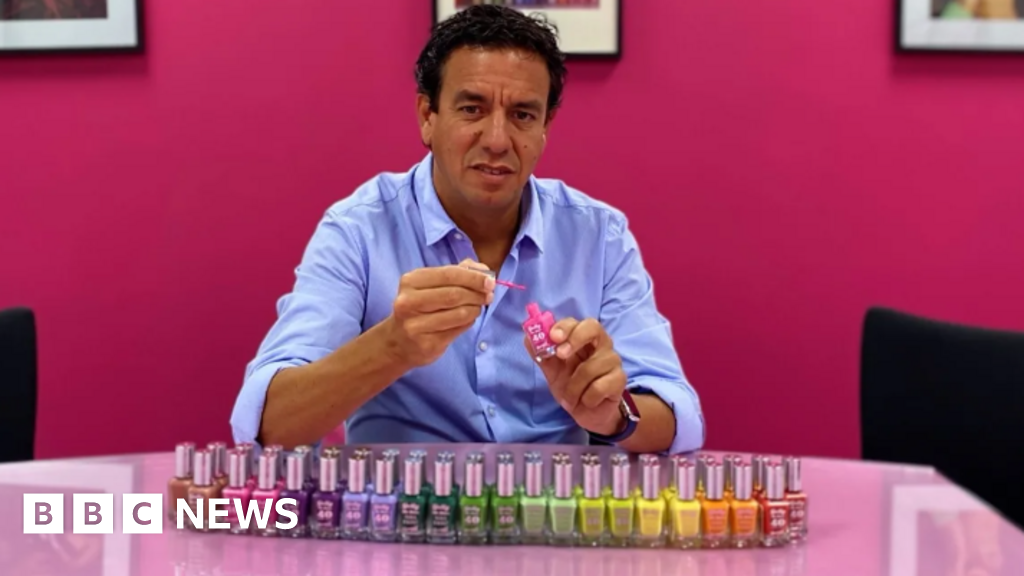
Barry M, the iconic British affordable make-up brand renowned for its vibrant colours and cult status, has been acquired by Warpaint London PLC, a prominent beauty group that includes the ‘Warpaint for Men’ line, following Barry M’s recent collapse into administration. The family-run firm, a staple of the UK high street beauty scene since its inception in North London in 1982, ceased trading earlier this month, marking a poignant moment for its loyal customer base and the broader cosmetics industry.
Warpaint London PLC announced on Monday that it has secured the Barry M brand name for a sum of £1.4 million. This strategic acquisition signifies Warpaint’s intent to bolster its market position and diversify its portfolio, leveraging Barry M’s established brand equity and extensive retail presence. However, the deal brings a bittersweet reality for the more than 100 staff members previously employed by Barry M, as the acquisition does not include the company’s operational assets or protect the jobs at its factory in the capital, where its popular nail paints and make-up lines were produced. The legal finalisation of Warpaint’s takeover of Barry M remains subject to court approval.
Founded by the visionary Barry Mero, the brand quickly carved out a niche for itself by offering an accessible range of bold, expressive, and often avant-garde cosmetics. From its earliest days, Barry M was celebrated for its daring palette of nail polishes, eye shadows, and lip colours, which appealed to a generation seeking self-expression through make-up. It became a favourite not only among everyday make-up enthusiasts but also found a devoted following among drag queens and those within alternative subcultures, who cherished its eye-catching hues and cruelty-free ethos. Following Barry Mero’s passing in 2014, his son, Dean Mero, took the helm, endeavouring to steer the legacy brand through an increasingly competitive and rapidly evolving beauty landscape.
Despite its enduring popularity and widespread availability in approximately 1,300 retail locations across the UK, including major high street chemists like Superdrug and Boots, as well as leading supermarkets such as Sainsbury’s and Tesco, Barry M ultimately succumbed to financial pressures. In the year ending 28 February 2025, the most recent period for which figures are available, Barry M reported sales of £15 million. While seemingly robust, this figure must be viewed in the context of rising operational costs, intense competition, and a shifting consumer base.
Industry analysts have pointed to several factors contributing to Barry M’s decline. Patrick O’Brien, retail research director at analytics firm GlobalData, observed that Barry M had struggled to innovate effectively, often adopting a "more reactive" approach rather than proactively setting trends. O’Brien highlighted that, despite its strong retail partnerships, the brand faced an onslaught of new and agile competitors offering similarly affordable products. These newer brands, often digital-first and adept at leveraging social media marketing, were able to generate significant traction with younger demographics. "Barry M had become a small brand in a sea of new and fun names, which are generating traction through social media marketing," O’Brien explained to the BBC. The explosion of independent beauty brands, driven by influencer culture and direct-to-consumer models, created an unprecedented level of saturation in the mass-market beauty segment, making it challenging for legacy brands like Barry M to maintain their unique appeal without continuous reinvention.
Warpaint London PLC, the acquiring entity, is a publicly traded company known primarily for its budget-friendly W7 Cosmetics brand, which caters predominantly to a female demographic. The company has successfully built a business around offering quality cosmetics at accessible price points, distributed through discount retailers, supermarkets, and online channels both domestically and internationally. While the headline highlights Warpaint’s ‘make-up for men’ brand, it is crucial to understand that Warpaint London PLC’s broader strategy encompasses a diverse portfolio, and the acquisition of Barry M is less about expanding its male grooming segment and more about fortifying its position in the wider mass-market colour cosmetics space.
The acquisition of Barry M by Warpaint is a calculated strategic move designed to integrate a well-recognised brand with significant retail penetration into Warpaint’s existing structure. By acquiring the Barry M name, Warpaint gains immediate access to its established customer loyalty and extensive distribution network, promising an increase in its overall sales volume. The move is expected to create synergies in supply chain management, marketing, and product development, allowing Warpaint to streamline operations and potentially introduce Barry M products to new markets or revitalise the brand with fresh perspectives.
Alongside the acquisition announcement, Warpaint London PLC also provided a trading update that painted a complex picture of its own financial health. The company revealed that its full-year profits would be lower than previously anticipated, attributing this to a "challenging consumer and customer environment" exacerbated by the impact of US tariffs. The levies, initially announced by former US President Donald Trump, resulted in a significant £2 million hit to Warpaint’s business, as "uncertainty earlier in the year" led to "stalled momentum in the US" market. While sales for 2025 are projected to reach £105 million, a modest increase from £102 million in the previous year, underlying profit is forecast to decline from £25 million to £22 million. This context suggests that the Barry M acquisition is not just an opportunistic grab but a strategic manoeuvre by Warpaint to counteract existing financial headwinds and stimulate future growth. Investors responded positively to the news, with Warpaint’s share price climbing by 8.5% following the announcement, signaling market confidence in the strategic value of the Barry M brand.
The broader UK beauty market has been experiencing significant shifts, with consumers increasingly prioritising ethical sourcing, sustainability, and inclusivity. While Barry M was an early adopter of cruelty-free practices, it faced stiff competition from newer brands that integrated these values more overtly into their marketing and product development. The high street retail landscape itself continues to grapple with challenges from online competitors and changing consumer shopping habits. In this environment, mergers and acquisitions activity within the beauty sector has become more common, as larger groups seek to consolidate market share, acquire niche brands with loyal followings, and find new avenues for growth.
For Barry M, this acquisition marks the end of an era as an independent, family-run business, but potentially the beginning of a new chapter under corporate ownership. The challenge for Warpaint will be to revitalise the Barry M brand while preserving its unique identity and legacy. This will likely involve a careful balance of modernising product lines, refreshing marketing strategies to appeal to contemporary consumers, and potentially leveraging Warpaint’s manufacturing and distribution efficiencies to make Barry M competitive once again. The question remains how Warpaint will integrate Barry M’s distinct ethos, particularly its vibrant, expressive colour palette, into its broader, more mass-market oriented portfolio, and whether it can rekindle the passion that made Barry M a beloved name on the British high street for over four decades.

 Ramos Leo
 atisusanti
 George Anjay

 Roy Suryo