Nana Banana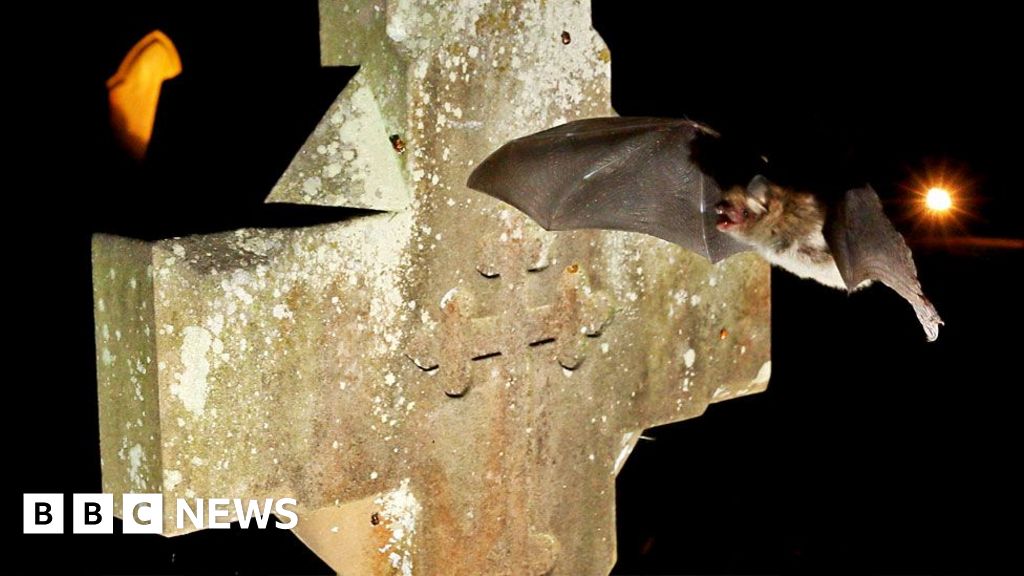
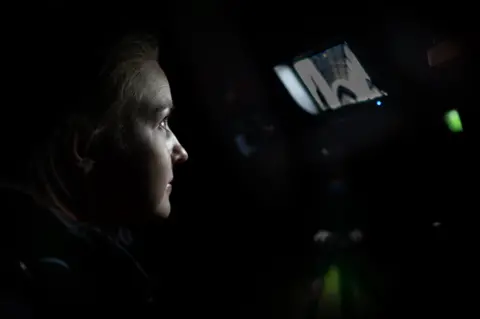
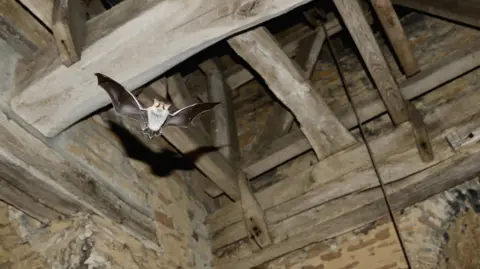
Inside the venerable structure, the team meticulously sets up their specialist gear. Infrared cameras are carefully positioned to pierce the darkness, thermal cameras designed to detect the faint heat signatures of living creatures, and sophisticated audio detectors are tuned to the specific, high-frequency calls that bats use for echolocation. The silence is profound, broken only by the hushed movements of the researchers, until the first subtle stirrings signal the bats’ emergence. Soon, the air is filled with rapid, darting movements as the bats swoop and dive through the aisles, their amplified chatter, normally inaudible to the human ear, now filling the historic building with an otherworldly chorus.
"Many of these churches have been on these sites for probably 1,000 years, and probably as long as they’ve been standing they’ve had bats in them," explains Diana Spencer, a key figure from the Bats in Churches Project. This long-standing, often unnoticed, cohabitation highlights the profound historical connection between these structures and the wildlife they shelter. The project, a collaborative effort involving various heritage and conservation bodies, aims to understand and mitigate the conflicts that arise from this unique relationship, ultimately fostering a sustainable future for both bats and historic buildings.
A groundbreaking new study, published in the British Ecological Society’s journal People & Nature, sheds significant light on this phenomenon. The research, which drew heavily on invaluable citizen science surveys orchestrated by the Bat Conservation Trust, provides compelling evidence of the critical role churches play as bat habitats. The findings are striking: an estimated half of all churches in England – a staggering figure exceeding 8,000 individual buildings – are believed to host bat populations. This proportion rises even further, to approximately 80%, for older, pre-Victorian churches, underscoring their particular appeal to these winged mammals.
Spencer eloquently describes these ancient structures as being "basically like a man-made forest." This analogy captures the essence of their suitability. Churches offer a plethora of ideal roosting and breeding spots, from the intricate carvings and vaulted ceilings to the hidden recesses within the stone walls. They provide "little nooks and crannies where they can roost, big open flight spaces, dry spaces inside, away from the rain, where they can fly around. It is really just an absolutely perfect environment." The stable temperatures, protection from predators, and the sheer abundance of secure, undisturbed spaces make them invaluable refuges in an increasingly developed landscape. The architectural complexity, with its high ceilings, intricate timber work, and often porous stone, inadvertently mimics the natural caves and ancient trees that bats traditionally rely upon.
At Guestwick, the team identified two specific species making their home in the church: Common Pipistrelles and Natterer’s bats. These species typically roost high up in the rafters, finding safety and warmth among the ancient beams. The Common Pipistrelles are often the first to emerge, performing a brief aerial ballet within the church before deftly squeezing out through surprisingly minute gaps around the church door, disappearing into the night to hunt for insects. The Natterer’s bats, known for their preference for enclosed spaces, tend to emerge slightly later, typically exiting through small, almost imperceptible holes in the roof to embark on their foraging flights. Without the aid of the specialist infrared and thermal cameras, these nocturnal animals are almost impossible to spot, their shadowy forms dissolving into the darkness of the church’s upper reaches. It is perhaps unsurprising then that about a third of the churches surveyed in the study had no prior knowledge of their resident bat colonies, their presence a well-kept secret of the night.
However, in other churches, the bats’ presence is far more evident, often presenting a significant challenge to those responsible for maintaining these historic buildings. Bats, for all their ecological importance, can indeed be messy houseguests. "They’re lovely, but they’re problematic too," laments Graeme Peart, who shoulders the responsibility for the upkeep of St Margaret’s Church, Saxlingham, a few miles from Guestwick. Peart recounts how the bats’ presence began to escalate into a genuine nuisance approximately 15 years ago. The issues extend far beyond mere inconvenience. "There’s the urine, the droppings," he explains, painting a vivid picture of the damage. "One time there was a carpet leading up to the altar that became absolutely sodden with urine and droppings and had to be thrown away. They also destroyed the brass work." The acidic nature of bat urine and the cumulative effect of their guano (droppings) can cause irreparable damage to delicate fabrics, ancient stonework, and precious metal artifacts, posing a serious threat to the historical integrity of these cherished buildings. This creates a difficult dilemma: how to protect both the protected species and the protected heritage.
The legal framework in the UK adds another layer of complexity. Bats, and their roosts, are strictly protected by law, meaning it is generally not permissible to disturb, injure, kill, or remove them, even from private or church property. This protection stems from significant declines in bat populations over recent decades, driven by habitat loss, pesticide use, and changes in agricultural practices. Therefore, simply evicting the bats is not an option, necessitating creative and collaborative solutions.
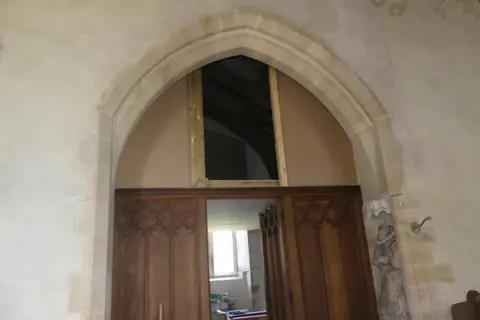
St Margaret’s Church, in partnership with the Bats in Churches team, has pioneered one such innovative approach: a sealed-off loft conversion above the vestry. Ecologist Phillip Parker, ascending a ladder to demonstrate the new space, explains its ingenious design: "The idea is that the bats that are in the main body of the church will live in here, rather than in the church itself." This dedicated bat loft, meticulously designed to replicate the ideal conditions of a natural roost, aims to draw the bats away from the sensitive areas of the church interior. It is even kitted out with state-of-the-art CCTV cameras, allowing the team to monitor the animals’ behaviour without disturbance. This technology has provided invaluable insights. "What we have found is certain weeks during the year there’ll be a hundred bats in here, and then suddenly they will disappear," Parker reveals. "We don’t know where they go, but they disappear for about 10 days, and then they’ll come back again. And without the CCTV, we never knew that." Such detailed behavioural understanding is crucial for effective conservation strategies.
Undertaking a major construction project of this nature within a historic building is a significant endeavour, demanding considerable time, effort, and financial resources. The new bat loft at St Margaret’s, along with the ongoing monitoring of its inhabitants, has incurred costs of approximately £50,000. This substantial sum has been made possible through crucial funding from the Heritage Lottery Fund and other dedicated partners, highlighting the commitment required to reconcile heritage preservation with wildlife conservation.
Diana Spencer acknowledges that such extensive renovations are not always feasible or necessary for every church. She points out that many other less costly solutions exist, and grants are available from organizations like the Bat Conservation Trust to assist churches in managing their bat populations. "On a simple level, you can use sheets or covers over areas where things might be damaged. You can put wax coating on things like brass so that the urine doesn’t damage it," she advises. These practical, less intrusive measures can significantly reduce the impact of bat presence. Spencer strongly recommends that anyone who discovers bats in a building, particularly a church, should contact the National Bat Helpline for expert advice and guidance, ensuring that any actions taken are both effective and legally compliant.
It is clear that more bats are increasingly seeking sanctuary in these historic churches, a trend driven by wider environmental pressures. "They’re losing lots of habitat – lots of woodland," Spencer explains, pointing to the ongoing destruction of natural roosting sites. "And we’re also knocking down old buildings, making our homes warmer, more airtight – there are less places for them to go." As human development encroaches on natural spaces and modern construction techniques leave fewer gaps and crevices suitable for bats, churches, with their enduring structures and often undisturbed environments, become ever more vital refuges for these vulnerable creatures.
The narrative, however, is not solely one of conflict and challenge. A positive shift in perspective is gradually taking hold, with many church communities learning not only to live alongside these creatures of the night but to embrace them. Some parishes are even starting to view bats as more of a fascinating treat than an unholy trick. "We regularly see churches having bat nights and bat events," Spencer notes with enthusiasm. "And they can be a really, really good way of reaching people, particularly in the local community, who might not come into a church for a service or prayer, but they’ll come in to watch the bats, because people find them really, really fascinating." These events transform a potential nuisance into an educational opportunity, fostering community engagement and raising awareness about the ecological importance of bats. By illuminating the secret lives of these nocturnal inhabitants, churches are not only safeguarding a vital part of the UK’s biodiversity but also forging new connections with their communities, demonstrating a harmonious coexistence between ancient heritage and the natural world.



 George Anjay
 Ramos Leo
 Roy Suryo
 atisusanti
 Nakalama John