Nana Banana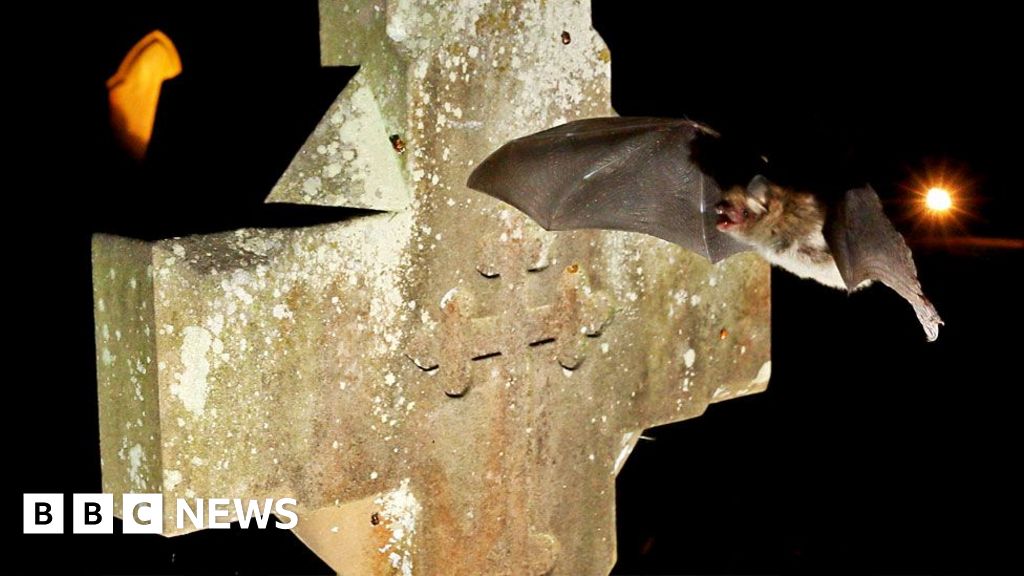
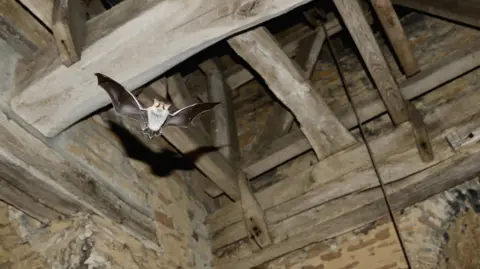
Soon, the quiet stillness is broken by the frantic, silent ballet of bats. They emerge from hidden crevices, darting and swooping with breathtaking agility up and down the aisles, their amplified chatter filling the historic building with an otherworldly chorus. It is a testament to an enduring, symbiotic relationship, as Diana Spencer, from the vital Bats in Churches Project, articulates: "Many of these churches have been on these sites for probably 1,000 years, and probably as long as they’ve been standing they’ve had bats in them." This profound historical connection underscores the significance of these structures not just for human worship, but as critical havens for wildlife.
A groundbreaking new study, recently published in the British Ecological Society’s esteemed journal People & Nature, illuminates the crucial role these historic buildings play in providing essential homes for these nocturnal mammals. The research, meticulously compiled from extensive citizen science surveys spearheaded by the Bat Conservation Trust, paints a compelling picture: an estimated half of all churches in England – a staggering figure exceeding 8,000 individual structures – currently house bat populations. This proportion escalates dramatically, reaching approximately 80% for older churches, particularly those predating the 16th century, highlighting their unparalleled value as long-standing refuges.
Spencer aptly describes these ecclesiastical structures as "basically like a man-made forest." This analogy vividly captures their suitability, explaining that they are "full of little nooks and crannies where they can roost, big open flight spaces, dry spaces inside, away from the rain, where they can fly around. It is really just an absolutely perfect environment." The thick stone walls offer stable temperatures, the intricate timber roofs provide countless secure roosting spots, and the vast, uncluttered interiors allow for unimpeded flight, making them ideal maternity roosts where female bats raise their young, and safe hibernation sites during colder months.
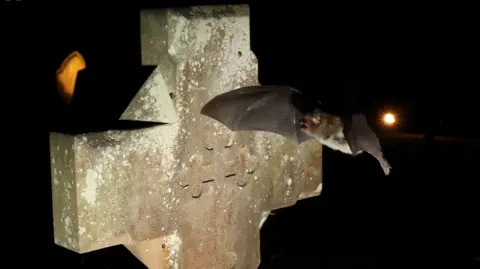
At Guestwick, two distinct species of bats have made their home: the ubiquitous Common Pipistrelles and the more elusive Natterer’s bats. Both species favor the high, secluded rafters for their daytime slumber. The Common Pipistrelles, known for their smaller size and agile flight, are typically the first to emerge as dusk descends. They engage in a brief, intricate aerial dance within the church before deftly squeezing out through minute gaps around the main church door, disappearing into the wider world to hunt for insects. The Natterer’s bats, with their distinctively broad wings and longer ears, follow a little later, often preferring to exit through small, less obvious holes in the roof structure. This preference might be due to their slightly larger size or a need for a clearer flight path as they venture out to forage in the surrounding landscape. Without the aid of the specialist infrared and thermal cameras, these creatures are virtually impossible to discern, melting into the oppressive darkness of the ancient building. This invisibility explains why roughly a third of the churches surveyed in the study were completely unaware of their resident bat populations, coexisting unknowingly with these hidden tenants.
However, in other churches, the bats’ presence is far from subtle. For many custodians, these creatures, though fascinating, can prove to be exceptionally messy houseguests. Graeme Peart, who shoulders the responsibility for the upkeep of St Margaret’s Church in Saxlingham, a mere few miles from Guestwick, describes the situation succinctly: "They’re lovely, but they’re problematic too." He recounts how the bat populations, particularly the larger maternity colonies, began to pose a significant nuisance about 15 years ago. The primary culprits are bat guano (droppings) and urine, which, over time, can cause extensive and costly damage.
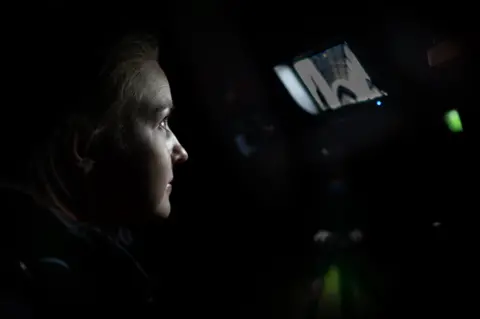
Peart vividly recalls the devastating impact: "There’s the urine, the droppings. One time there was a carpet leading up to the altar that became absolutely sodden with urine and droppings and had to be thrown away." The acidic nature of bat urine and the abrasive quality of their droppings can stain and degrade ancient stonework, timber, and valuable textiles. Beyond carpets, the brass work, including historic memorials and fittings, suffered significant corrosion and destruction due to the constant exposure to bat excretions. The sheer volume of droppings accumulating on pews, altars, and other surfaces also presents a considerable cleaning challenge, impacting the regular use and maintenance of these sacred spaces.
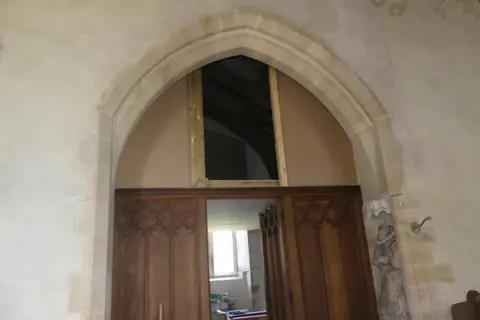
The challenge for churches is compounded by the fact that all bat species in the UK are legally protected. This stringent protection, enshrined in legislation such as the Wildlife and Countryside Act 1981 and the Conservation of Habitats and Species Regulations 2017, makes it generally impossible to simply remove bats or disturb their roosts. This legal framework reflects their declining populations and vital ecological role as indicators of environmental health and natural pest controllers. Confronted with this dilemma, St Margaret’s Church proactively collaborated with the Bats in Churches team to devise a sustainable solution. Their innovative approach involved the construction of a sealed-off loft conversion, ingeniously situated directly above the vestry.
Ecologist Phillip Parker, ascending a ladder to reveal the interior of this bespoke bat haven, explains its core purpose: "The idea is that the bats that are in the main body of the church will live in here, rather than in the church itself." This specially designed space is not merely an empty attic; it’s meticulously outfitted with features intended to attract and retain the bats, providing them with an ideal, undisturbed environment away from the main worship area. Crucially, it is equipped with CCTV cameras, enabling the team to continuously monitor the animals’ behavior without causing disturbance.
The insights gleaned from this constant surveillance have been invaluable. "What we have found is certain weeks during the year there’ll be a hundred bats in here, and then suddenly they will disappear," Parker reveals. "We don’t know where they go, but they disappear for about 10 days, and then they’ll come back again. And without the CCTV, we never knew that." This newfound understanding of their migratory patterns and seasonal movements is critical for effective conservation and management.
Undertaking a major construction project of this magnitude, especially within a historic building, demands considerable investment in terms of time, effort, and financial resources. The creation of the new bat loft at St Margaret’s, coupled with the ongoing monitoring of its inhabitants, incurred costs amounting to approximately £50,000. This substantial sum was made possible through crucial funding from the Heritage Lottery Fund and a consortium of other dedicated partners, underscoring the collaborative effort required to balance heritage preservation with ecological conservation.
Diana Spencer emphasizes that such extensive interventions are not the only recourse. She points to a range of other, less costly solutions available to churches grappling with bat issues. These include practical measures like deploying protective sheets or covers over vulnerable areas to prevent damage from droppings, or applying wax coatings to susceptible materials like brass to shield them from acidic urine. Furthermore, she highlights the availability of grants and expert advice from organizations such as the Bat Conservation Trust, which offers vital support and guidance. Spencer strongly advises that anyone encountering bats in their building should contact the National Bat Helpline for tailored, expert counsel, ensuring compliance with legal protections and effective management strategies.
Indeed, the phenomenon of bats seeking sanctuary in churches appears to be on the rise, a trend driven by broader ecological pressures. "They’re losing lots of habitat – lots of woodland," Spencer notes, painting a stark picture of environmental degradation. "And we’re also knocking down old buildings, making our homes warmer, more airtight – there are less places for them to go." As natural roosting sites diminish due to deforestation, urbanization, intensive agriculture, and the removal of traditional structures, churches, with their ancient architecture and undisturbed spaces, are becoming increasingly vital refuges for these vulnerable creatures.
In response, church communities across the country are progressively learning to coexist with these fascinating creatures of the night. What was once perceived solely as an "unholy mess" is slowly transforming into an opportunity for engagement and appreciation. Some parishes are even beginning to view their bat residents as more of a "treat" than a "trick." Spencer observes a heartening trend: "We regularly see churches having bat nights and bat events." These innovative initiatives serve a dual purpose: they educate the public about bat conservation and offer a unique avenue for community engagement. "They can be a really, really good way of reaching people, particularly in the local community, who might not come into a church for a service or prayer, but they’ll come in to watch the bats, because people find them really, really fascinating." By embracing these nocturnal visitors, churches are not only safeguarding an important part of the UK’s biodiversity but also fostering a deeper connection between faith, history, and the natural world.



 George Anjay

 Ramos Leo
 Nakalama John