
 Nana Banana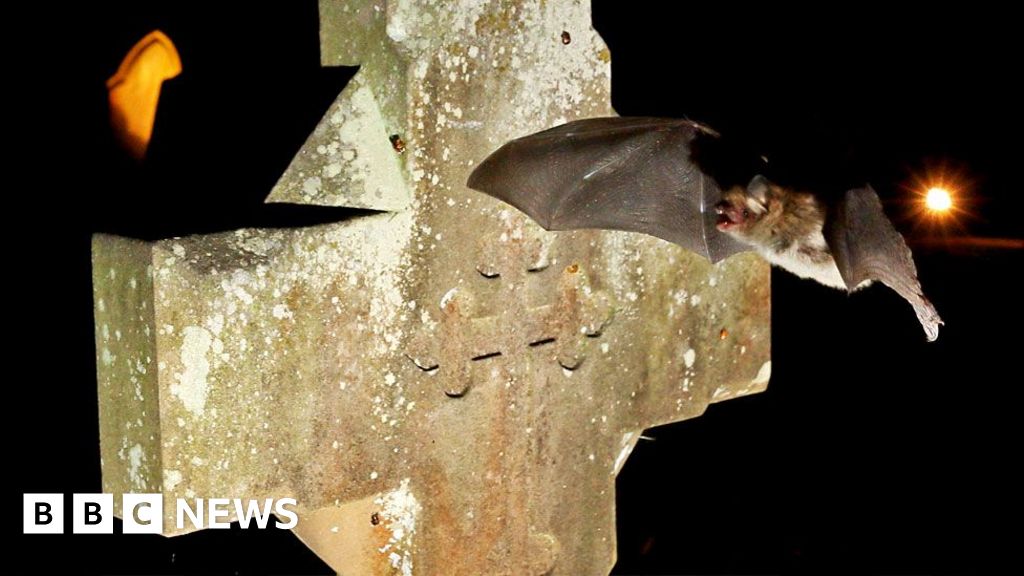
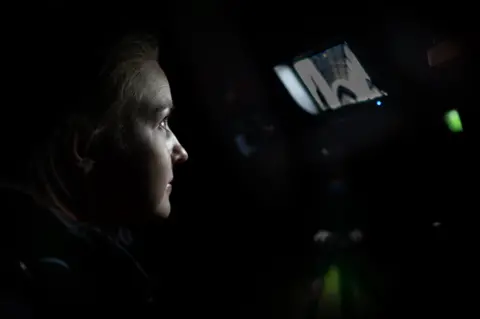
As dusk settles over the serene gravestones of Guestwick Church in Norfolk, a dedicated team of bat ecologists and conservationists begins their shift. This isn’t a job for daylight hours; it’s a mission that thrives in the shadows, mirroring the lives of the creatures they study. The ancient, creaking door of the church swings open, revealing a cavernous interior steeped in history and now, unbeknownst to many, vibrant with hidden life. Inside, the pitch blackness is absolute, a perfect canvas for their high-tech equipment. Infrared cameras, sensitive enough to capture movement in total darkness, are strategically positioned, alongside thermal imaging devices that detect the bats’ warm bodies against the cooler church architecture. Audio detectors, tuned to the ultrasonic frequencies imperceptible to the human ear, are activated, ready to translate the bats’ complex echolocation calls into audible chirps and clicks.
Soon, the air stirs. From the high rafters and hidden crevices, the first bats emerge. They dart and swoop with breathtaking agility, their silent flight made visible on the glowing screens of the monitoring equipment. The amplified sounds of their "bat chatter" fill the hallowed space, a symphony of survival echoing through a thousand years of history. "Many of these churches have been on these sites for probably 1,000 years, and probably as long as they’ve been standing they’ve had bats in them," explains Diana Spencer, a leading figure from the pioneering Bats in Churches Project. Her words underscore the deep, historical connection between these ancient structures and their winged residents.
A groundbreaking new study, recently published in the British Ecological Society’s esteemed journal People & Nature, sheds significant light on this enduring relationship. The research, which relied heavily on the invaluable contributions of citizen scientists coordinated by the Bat Conservation Trust, reveals the astonishing extent to which these historic buildings serve as vital havens for England’s nocturnal mammals. The findings are compelling: an estimated half of all churches in England – a staggering figure exceeding 8,000 individual buildings – currently host bat populations. This proportion rises even further, to approximately 80%, for the oldest and most historically significant churches, highlighting their irreplaceable role in bat conservation.
Spencer eloquently describes these churches as "basically like a man-made forest." This analogy captures the essence of their appeal. With their towering ceilings, intricate wooden beams, countless nooks and crannies, and stable internal environments, churches offer an unparalleled combination of shelter, warmth, and protection from predators. They provide ideal conditions for various bat activities, from maternity roosts where females raise their young in safety, to hibernation sites during the colder months, and transient roosts used for foraging or resting. The large, unobstructed internal spaces allow bats ample room for flight, while the dry conditions protect them from the elements. It is, as Spencer concludes, "really just an absolutely perfect environment" for these vulnerable creatures.
At Guestwick, the monitoring efforts reveal the presence of two distinct species: the diminutive Common Pipistrelles and the slightly larger Natterer’s bats. Their nocturnal routines offer a fascinating glimpse into their adaptations. The Pipistrelles are the first to emerge, spiraling gracefully within the church for a few minutes before deftly navigating their way out through minute, almost imperceptible gaps around the church door, disappearing into the wider world to hunt insects. The Natterer’s bats follow a slightly different schedule, preferring to exit through small, often unseen holes in the roof, making their way to external foraging grounds. Without the aid of the specialist infrared and thermal cameras, these creatures remain largely invisible, mere fleeting shadows against the darkness, their presence betrayed only by the ultrasonic clicks picked up by the audio detectors. Indeed, the study found that about a third of the surveyed churches were entirely unaware of their hidden tenants, a testament to the bats’ secretive nature.
However, in other churches, the bats’ presence is far from subtle. While undeniably fascinating, these winged inhabitants can be incredibly messy houseguests, presenting a significant challenge for those tasked with maintaining England’s rich ecclesiastical heritage. Graeme Peart, who shoulders the responsibility for the upkeep of St Margaret’s Church in Saxlingham, a few miles from Guestwick, knows this struggle all too well. "They’re lovely, but they’re problematic too," he admits with a weary smile, recounting how the bat population began to cause significant issues about 15 years ago. The primary culprits are bat urine and droppings, known as guano. These can accumulate rapidly, especially in areas directly beneath roosts. "One time there was a carpet leading up to the altar that became absolutely sodden with urine and droppings and had to be thrown away," Peart laments. Beyond the carpets, the acidic nature of bat urine and the abrasive quality of guano can cause irreparable damage to precious church artefacts, including historic woodwork, delicate frescoes, and, as Peart noted, the destruction of intricate brass work, which can corrode and tarnish under constant exposure. The continuous cleaning efforts required also place a considerable burden on often elderly and volunteer-run church communities, impacting the usability and aesthetic appeal of these cherished public spaces.
The challenge is further compounded by the legal protection afforded to bats in the UK. All bat species and their roosts are protected under national and European law, making it illegal to intentionally kill, injure, or disturb bats, or to damage or destroy their roosts, even if the roost is not currently occupied. This means that outright removal of bats from churches is generally not an option, necessitating innovative and sympathetic solutions for coexistence.
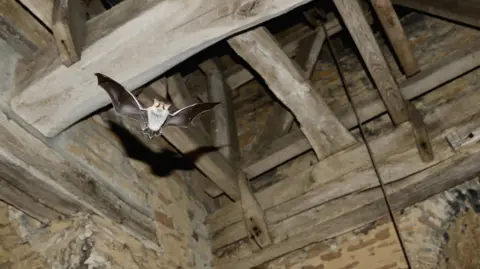
St Margaret’s Church, in collaboration with the Bats in Churches team, embarked on an ambitious project to find such a solution. Their answer was a cleverly designed, sealed-off loft conversion constructed above the vestry. Ecologist Phillip Parker, climbing a ladder to showcase the new space, explains its purpose: "The idea is that the bats that are in the main body of the church will live in here, rather than in the church itself." This custom-built bat loft is engineered to be more appealing to the bats than the main church space, offering optimal temperature, humidity, and an array of specially designed roosting surfaces. It’s even kitted out with its own CCTV cameras, providing invaluable insights into the bats’ mysterious lives. "What we have found is certain weeks during the year there’ll be a hundred bats in here, and then suddenly they will disappear," Parker marvels. "We don’t know where they go, but they disappear for about 10 days, and then they’ll come back again. And without the CCTV, we never knew that." This monitoring not only helps manage the bat population but also contributes significantly to scientific understanding of bat ecology and migration patterns.
Such a major construction project, however, demands substantial investment of time, effort, and financial resources. The new bat loft at St Margaret’s, along with the ongoing monitoring and research, has cost approximately £50,000, a sum largely funded through grants from the Heritage Lottery Fund and various other conservation partners. While effective, this scale of intervention is not feasible for every church. Diana Spencer points out that there are other, less costly solutions available, and crucially, grants and advice are offered by the Bat Conservation Trust. Simple measures can include deploying protective sheets or covers over vulnerable areas and valuable artefacts, or applying wax coatings to materials like brass to prevent damage from urine. Spencer strongly recommends that anyone discovering bats in a building contact the National Bat Helpline for expert advice tailored to their specific situation.
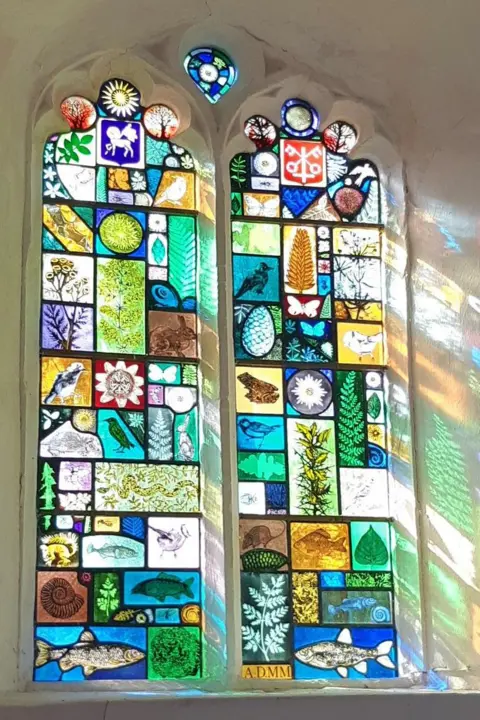
As human development continues to encroach upon natural habitats, it seems inevitable that more bats will continue to seek refuge in the enduring shelter of churches. "They’re losing lots of habitat – lots of woodland," Spencer explains, highlighting the broader ecological pressures. "And we’re also knocking down old buildings, making our homes warmer, more airtight – there are less places for them to go." Churches, often surrounded by mature trees and ancient churchyards, represent vital green corridors and stable structures in an increasingly fragmented landscape.
The relationship between church communities and their winged parishioners is evolving. What was once seen purely as a nuisance is, in many places, transforming into an opportunity for engagement and education. "We regularly see churches having bat nights and bat events," Spencer enthuses. These events, often held at dusk, allow locals and visitors alike to witness the bats’ emergence, learn about their biology, and appreciate their ecological importance. They serve as a unique and "really, really good way of reaching people, particularly in the local community, who might not come into a church for a service or prayer, but they’ll come in to watch the bats, because people find them really, really fascinating." In this delicate dance between conservation and heritage, churches are not just sanctuaries for bats, but also becoming unexpected centres for community engagement, fostering a deeper appreciation for the wonders of the natural world, even if it comes with a little "unholy mess."



 Nakalama John
 George Anjay
 Ramos Leo


 atisusanti