
 atisusanti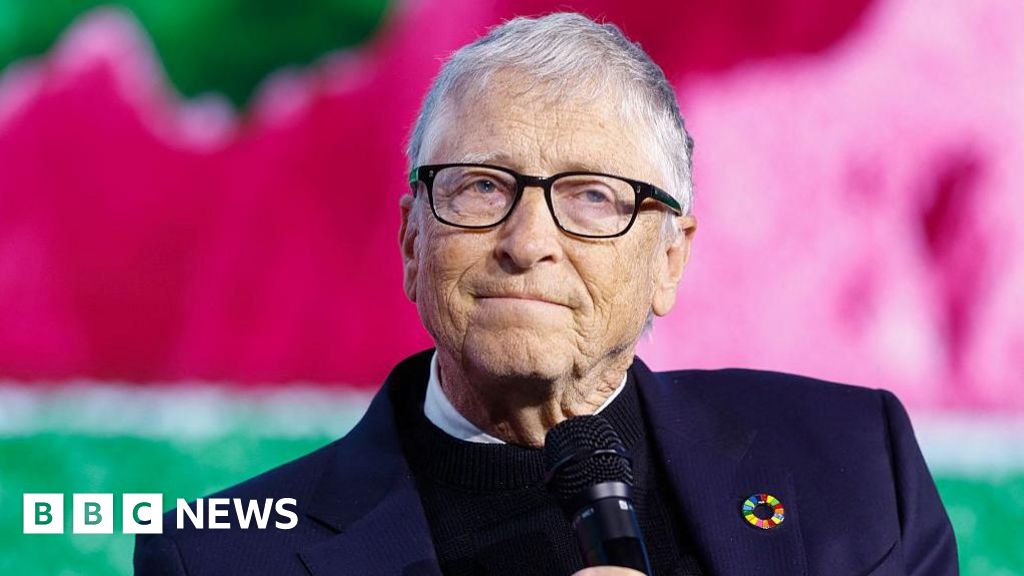
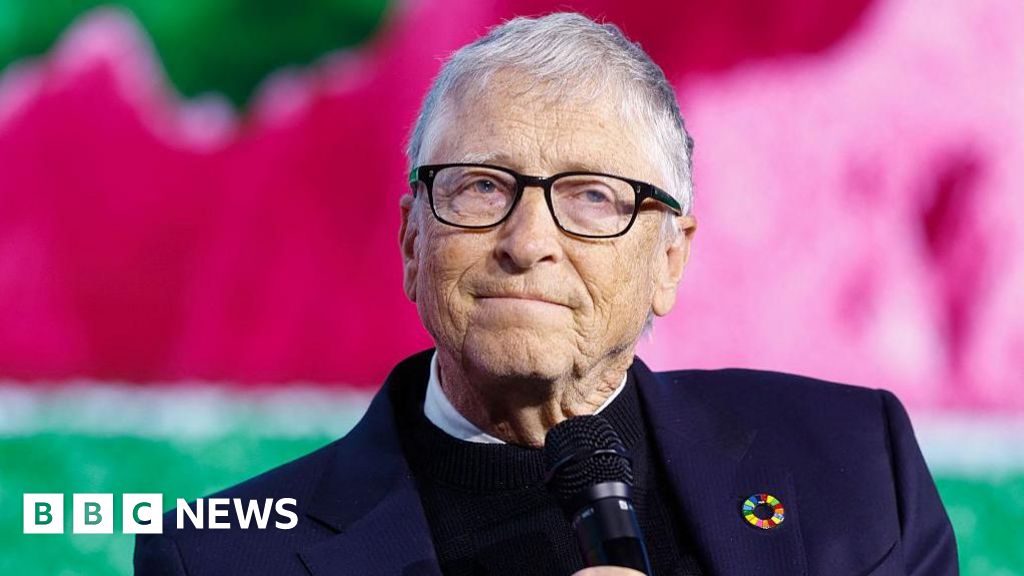
Microsoft co-founder Bill Gates has withdrawn his keynote address from the India AI Impact Summit in Delhi, a decision announced by his philanthropic organisation just hours before his scheduled speech. The Bill & Melinda Gates Foundation stated that the choice was made after "careful consideration" and with the intention "to ensure the focus remains on the [summit’s] key priorities," though further details were not provided. This abrupt withdrawal occurs against a backdrop of renewed scrutiny surrounding Gates’s past associations with the late sex offender Jeffrey Epstein, following his inclusion in newly unsealed documents from the US Department of Justice in January. It is important to note that Bill Gates has not been accused of any wrongdoing by Epstein’s victims, and his name appearing in these files does not imply any criminal activity.
In place of Gates, the Gates Foundation announced that Ankur Vora, president of its Africa and India offices, would deliver the address. The foundation reiterated its "full commitment" to its ongoing work in India, aimed at advancing shared goals in health and development. Despite Gates’s absence from the speaker lineup, the summit continues to feature prominent figures in the technology world, including OpenAI CEO Sam Altman and Anthropic CEO Dario Amodei.
The India AI Impact Summit, a significant event aimed at positioning India as a global leader in artificial intelligence, has already seen impactful contributions from key global leaders. Indian Prime Minister Narendra Modi, speaking alongside French President Emmanuel Macron, advocated for the democratization of AI and a collaborative approach to innovation. Prime Minister Modi emphasized the critical need for technology sharing to prevent individuals from being reduced to mere data points or raw material for AI, stating, "AI must become a medium for inclusion and empowerment, particularly for the Global South." President Macron, following bilateral discussions with Prime Minister Modi, called for a shift in the global AI discourse from "let’s do more" to "let’s do better together." This sentiment was echoed by UN Secretary-General Antonio Guterres, who stressed that the future of AI should not be dictated by a select few nations or the "whims of a few billionaires."
The summit has also highlighted India’s escalating role in the AI landscape. Sundar Pichai, CEO of Google, underscored this point by revealing his company’s plans to establish a full-stack AI hub in the southern Indian city of Vishakhapatnam. This initiative is expected to foster job creation and introduce cutting-edge AI technologies to the Indian populace. Further bolstering India’s AI ambitions, billionaire Mukesh Ambani pledged a substantial investment of $110 billion over the next seven years to develop the nation’s AI ecosystem. Dario Amodei, CEO of Anthropic, expressed his company’s interest in collaborating with India on the "testing and evaluation of models for safety and security risks," underscoring a shared commitment to responsible AI development.
Gates’s decision to step back from the summit followed a period of considerable speculation regarding his attendance. He is currently in India and had previously visited the southern state of Andhra Pradesh, where he engaged in discussions about initiatives to enhance health, agriculture, education, and technology sectors. Initially, following media reports suggesting his potential withdrawal, his foundation had confirmed his scheduled participation.
The withdrawal represents a significant setback for the India AI Impact Summit, which the Indian government has championed as a pivotal platform to solidify the country’s position as a burgeoning global AI hub. The five-day summit encompasses a wide array of activities, including policy deliberations, showcases of emerging startups, and closed-door discussions focused on AI governance, infrastructure development, and innovation. The event has also been a stage for substantial investment pledges from various corporations, including Microsoft, aimed at expanding AI accessibility and bolstering infrastructure in developing nations like India.
The controversy surrounding Jeffrey Epstein has cast a long shadow, bringing renewed attention to the past associations of prominent figures. While Gates’s interactions with Epstein have been a subject of media coverage and public discussion, it is crucial to reiterate that he has faced no allegations of criminal conduct related to Epstein’s activities. The unsealed documents from the US Department of Justice, which led to Gates’s name being brought up again, do not constitute evidence of any wrongdoing on his part. However, the sensitive nature of these revelations, combined with the high-profile nature of the AI summit, has seemingly prompted the Gates Foundation to prioritize a focused discussion on artificial intelligence, free from potential distractions.
The India AI Impact Summit aims to foster dialogue and collaboration on the transformative potential of AI, addressing both its opportunities and challenges. The event brings together policymakers, industry leaders, researchers, and entrepreneurs to shape the future trajectory of AI development and deployment. Discussions on ethical considerations, regulatory frameworks, and the equitable distribution of AI’s benefits are central to the summit’s agenda.
The presence of global AI leaders like Sam Altman and Dario Amodei underscores the international interest in India’s burgeoning AI ecosystem. Their participation, alongside the significant investment pledges from Indian conglomerates, signals a strong belief in India’s potential to become a major player in the global AI arena. The summit is designed to facilitate strategic partnerships and accelerate the adoption of AI technologies across various sectors of the Indian economy.
The emphasis on democratizing AI and ensuring inclusive growth, articulated by Prime Minister Modi and echoed by other speakers, reflects a growing global awareness of the need to manage AI’s development responsibly. The call to ensure that AI serves humanity and empowers marginalized communities, particularly in the Global South, is a crucial theme that resonates throughout the summit.
The withdrawal of Bill Gates, while a notable development, does not diminish the overall significance of the India AI Impact Summit. The continued participation of other influential figures and the robust discussions taking place ensure that the event remains a critical forum for shaping the future of artificial intelligence. The focus on collaborative innovation and responsible AI governance, as highlighted by the various speakers, is paramount as the world navigates the rapid advancements in this transformative technology. The summit serves as a testament to India’s ambition to lead in the AI revolution, fostering an environment conducive to both technological progress and equitable societal development. The ongoing discourse at the summit, despite the change in the keynote speaker, is expected to yield valuable insights and actionable strategies for harnessing the power of AI for the betterment of all.




 Ramos Leo
 Nakalama John
 George Anjay

 Roy Suryo