Nana Banana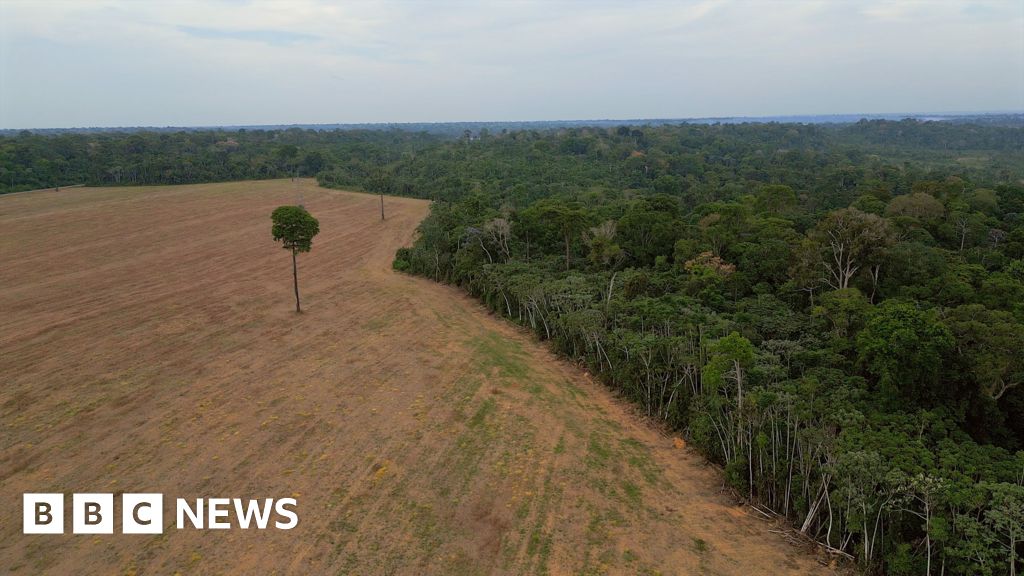
The potential overturning of the ASM comes at a critical juncture, as the COP30 UN climate conference enters its second week, highlighting a stark global dichotomy between environmental preservation and economic development pressures. Critics of the moratorium within Brazil’s agribusiness sector argue that it constitutes an unfair "cartel," limiting market access and allowing a select group of powerful multinational companies to dominate the Amazon’s lucrative soya trade. They contend that the ban stifles the economic potential of vast regions and unfairly restricts farmers’ land use rights.
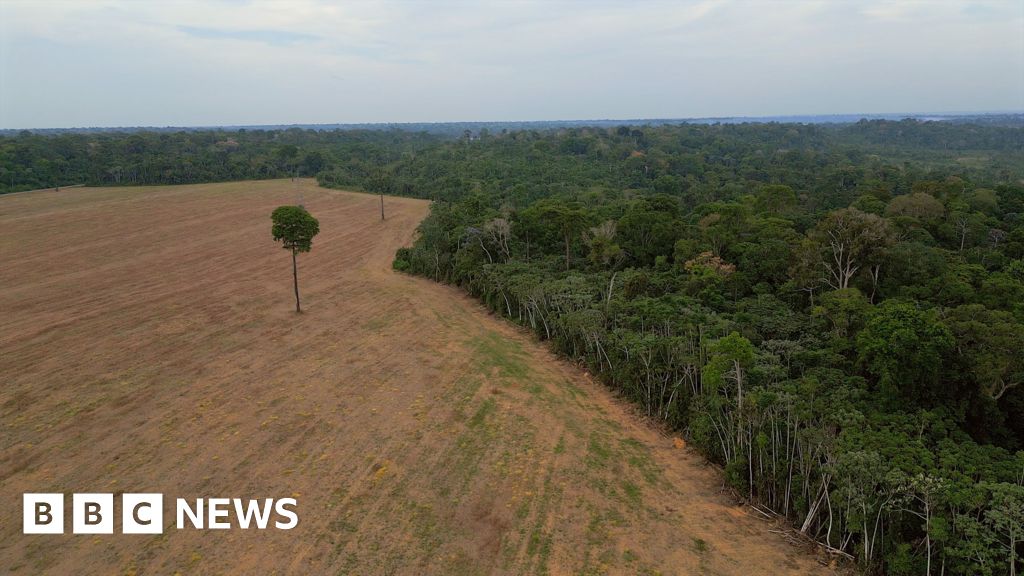
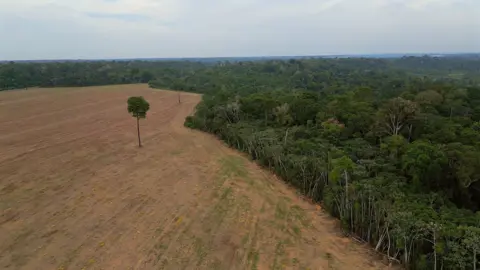
However, environmental groups and climate scientists are sounding dire alarms, warning that lifting these restrictions would be an unmitigated "disaster." Such a move, they predict, would open the floodgates for a new wave of aggressive land grabbing and rampant deforestation, primarily to expand soya cultivation into previously untouched areas of the Amazon. The consequences, they emphasize, extend far beyond regional ecological damage, potentially pushing the entire Amazon ecosystem closer to an irreversible "tipping point." This critical threshold, scientists explain, signifies a point beyond which the rainforest can no longer sustain itself, risking a catastrophic transformation into a drier, savanna-like landscape.
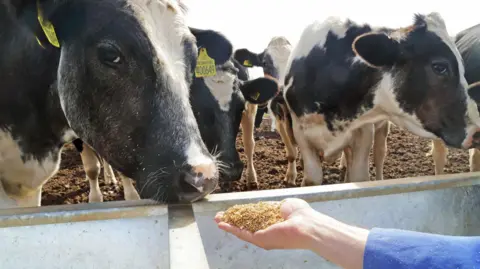
Brazil stands as the world’s largest producer of soya beans, a commodity of immense global importance, primarily used as a high-protein animal feed. Much of the meat consumed in the UK, including chicken, beef, pork, and farmed fish, relies heavily on feeds incorporating Brazilian soya. Roughly 10% of this soya supply is sourced from the Brazilian Amazon, underscoring the direct link between international consumption patterns and the fate of the rainforest.
Recognizing this critical connection, many major UK food companies, including industry giants like Tesco, Sainsbury’s, M&S, Aldi, Lidl, McDonald’s, Greggs, and KFC, have formed a powerful coalition known as the UK Soy Manifesto. This group collectively represents approximately 60% of the soy imported into the UK and serves as a vocal advocate for the Amazon Soy Moratorium. Their support stems from a commitment to ensuring that UK soy supply chains remain free from deforestation, aligning with growing consumer demand for sustainably sourced products. In a strongly worded statement issued earlier this year, the Manifesto signatories urged "all actors within the soy supply chain, including governments, financial institutions and agribusinesses to reinforce their commitment to the [ban] and ensure its continuation." This collective industry stance highlights the significant market influence that supports the moratorium’s continuation.
Public opinion in the UK also firmly backs the protection of the Amazon. A recent World Wildlife Fund (WWF) survey revealed that a substantial 70% of respondents supported government action to eliminate illegal deforestation from UK supply chains, indicating broad societal concern for the rainforest’s preservation and ethical sourcing.
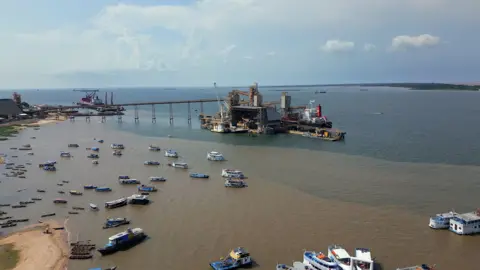
The origins of the Amazon Soy Moratorium trace back nearly two decades, born from a concerted campaign by the environmental pressure group Greenpeace. The campaign exposed how soya grown on illegally deforested land was entering global supply chains, including being used in animal feed for chicken sold by McDonald’s. This revelation galvanized public and corporate action, leading to a voluntary agreement signed by farmers, major global food companies (including commodity giants Cargill and Bunge), and environmental organizations. McDonald’s, in particular, emerged as a champion of the moratorium, whose signatories collectively pledged to cease buying soya grown on land cleared after July 2008. The agreement’s implementation marked a significant shift towards greater supply chain responsibility and transparency in the Amazon. The port of Santarém on the Amazon River, a key export hub for soya, became a focal point for the campaign that ultimately led to the moratorium’s establishment.
Despite its proven environmental benefits, the moratorium faces staunch opposition from within Brazil. Vanderlei Ataídes, president of the Soya Farmers Association of Pará state – one of Brazil’s primary soya-producing regions – voices the perspective of many farmers. "Our state has lots of room to grow and the soy moratorium is working against this development," Ataídes told the BBC. He questioned the logic of the ban, stating, "I don’t understand how [the ban] helps the environment. I can’t plant soya beans, but I can use the same land to plant corn, rice, cotton or other crops. Why can’t I plant soya?" This argument highlights the perceived economic unfairness and the lack of distinction between different agricultural commodities in the eyes of some producers.
The challenge to the moratorium has even created divisions within the Brazilian government itself. While the Justice Ministry has indicated that there may be evidence of anti-competitive behavior within the soy trade, both the Ministry of the Environment and the Federal Public Prosecutors Office have publicly and robustly defended the continuation of the moratorium, underscoring its recognized importance for environmental protection.
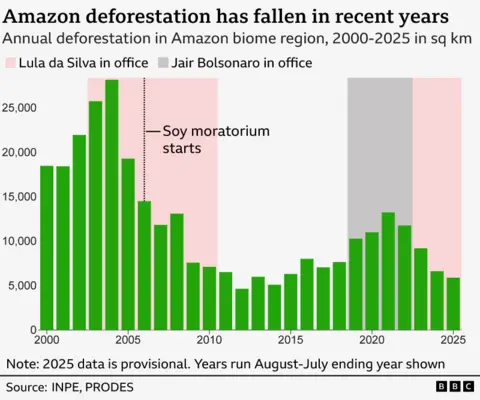
Historically, before the moratorium’s introduction, forest clearance for soya expansion, alongside the growth of cattle ranching, constituted the primary drivers of Amazonian deforestation. Following the agreement, deforestation rates in the Amazon biome fell sharply, reaching an historic low in 2012 during President Luiz Inácio Lula da Silva’s second term in office. While deforestation unfortunately saw an increase under subsequent administrations, particularly under Jair Bolsonaro, who openly promoted opening the forest to economic development and agribusiness, it has seen a renewed decline during Lula’s current presidency, demonstrating the direct impact of political will and policy on the rainforest’s fate.
Bel Lyon, chief advisor for Latin America at the World Wildlife Fund (WWF), an original signatory of the agreement, delivered a stark warning: suspending the moratorium "would be a disaster for the Amazon, its people, and the world, because it could open up an area the size of Portugal to deforestation." This alarming potential scale of destruction underscores the severity of the threat.
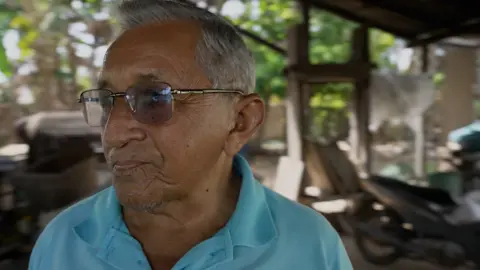
The impacts of deforestation are already profoundly felt by local communities. Small farmers whose plots lie in close proximity to vast soy plantations report significant disruptions to local weather patterns, making it increasingly difficult to grow their traditional crops. Raimundo Barbosa, who cultivates cassava and fruit near Boa Esperança, a town outside Santarém in the southeastern Amazon, shared his experience: "When the forest is cleared, the environment is destroyed." Sitting in the shade beside his cassava-processing machines, he explained, "Where there is forest, it is normal, but when it is gone it just gets hotter and hotter and there is less rain and less water in the rivers." His testimony illustrates the immediate, tangible effects of environmental degradation on livelihoods and daily life.
Adding further pressure to the Amazon, Brazil is preparing to inaugurate a major new railway line, stretching from its agricultural heartland in the south deep into the rainforest region. This infrastructure project is expected to significantly reduce transport costs for soya and other agricultural products, thereby providing an even greater economic incentive for clearing more land for cultivation. The railway, while hailed as an economic boon by some, is viewed with apprehension by environmentalists who fear it will accelerate the pace of deforestation.
Scientists have been meticulously monitoring the Amazon’s complex ecosystem for decades, observing profound and worrying changes. Among them is Amazon specialist Bruce Fosberg, who has dedicated half a century to studying the forest. From a small platform atop a 45-meter-high research tower in a pristine rainforest reserve, Fosberg oversees a sea of green stretching to the horizon. This tower, bristling with high-tech instruments, is a vital component of the Large-Scale Biosphere-Atmosphere Experiment (LBA), a project initiated 27 years ago to comprehensively understand how the Amazon is changing and how close it is to a critical ecological threshold.
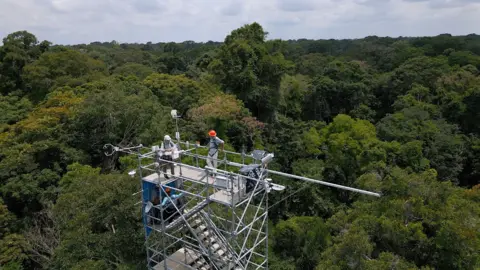
Data collected from the LBA, corroborated by numerous other scientific studies, indicates that significant portions of the rainforest are indeed nearing a "tipping point." Fosberg explains the grim implications: "The living forest is closing down, and not producing water vapour and therefore rainfall." As trees are lost due to deforestation, fires, and increased heat stress linked to climate change, the forest releases less moisture into the atmosphere. This reduction in evapotranspiration directly leads to decreased rainfall, intensifying droughts and creating a dangerous feedback loop where more trees die, further reducing moisture and exacerbating the problem.
The profound fear is that if this destructive cycle continues unabated, vast swathes of the rainforest could succumb, transforming into a drier, less biodiverse savannah or dry grassland ecosystem. Such a collapse would unleash immense quantities of stored carbon into the atmosphere, significantly accelerating global climate change. It would also severely disrupt weather patterns across continents, impacting rainfall and agricultural productivity far beyond Brazil’s borders. Moreover, it would imperil the lives of millions of people, including indigenous communities, and countless plant, insect, and animal species whose very existence depends on the Amazon for survival, marking an ecological catastrophe of unprecedented scale. The decision regarding the Amazon Soy Moratorium therefore carries not only national but global implications for climate, biodiversity, and human well-being.

 George Anjay
 Ramos Leo
 Nakalama John