 Nakalama John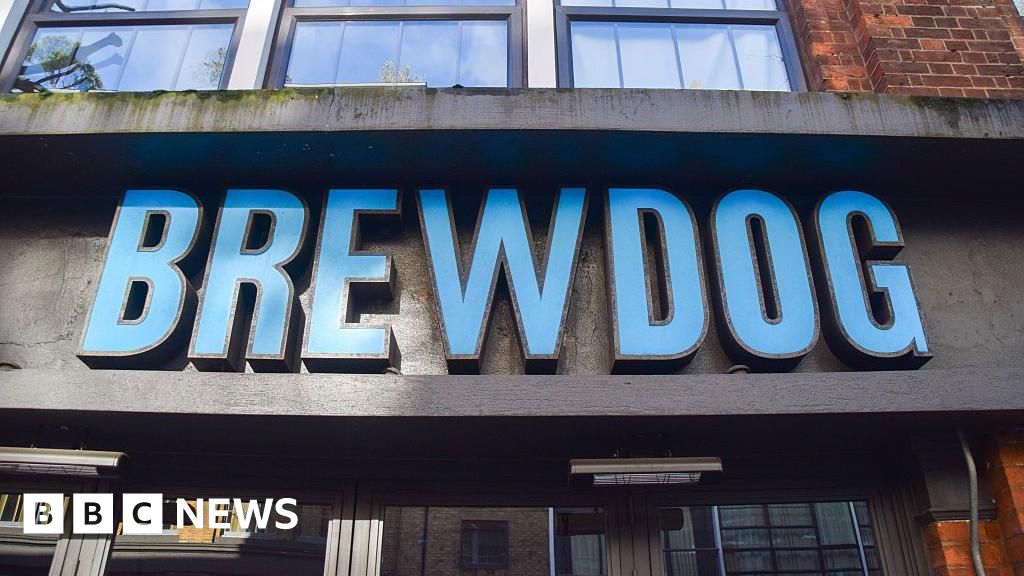
Scottish craft beer behemoth Brewdog is poised to declare the sale of its expansive business early next week, a significant development confirmed by chief executive James Taylor in an internal email to staff. This imminent announcement marks a pivotal moment for the company, which has grown from a rebellious challenger in the brewing world to an international brand, but has recently grappled with mounting financial pressures and public controversies.
Founded in 2007 by childhood friends James Watt and Martin Dickie in Fraserburgh, Aberdeenshire, Brewdog carved out a unique niche in the market with its audacious marketing stunts, strong craft beer ethos, and innovative crowdfunding model. From its humble beginnings, the company rapidly expanded its footprint, establishing breweries and a network of over 100 pubs across the globe, including approximately 60 in the United Kingdom. Its rapid ascent was often fueled by its "Equity for Punks" scheme, which empowered small investors to become part-owners and brand advocates.
However, recent years have seen the company struggle to maintain profitability, a challenge that led to the appointment of consultants AlixPartners two weeks ago to explore strategic options, including a potential sale. This move signaled the seriousness of Brewdog’s financial predicament, following reports of substantial losses. The internal email from James Taylor revealed that while the core business is up for sale, Brewdog’s German arm, which includes a brewery and a bar in Berlin, will not be part of the transaction. Instead, the German operations are slated for liquidation, a difficult decision that Taylor acknowledged in his message to staff, apologizing "for the uncertainty this creates." This strategic divestment or closure of the German operations suggests a broader effort to streamline the business and shed underperforming assets ahead of a sale.
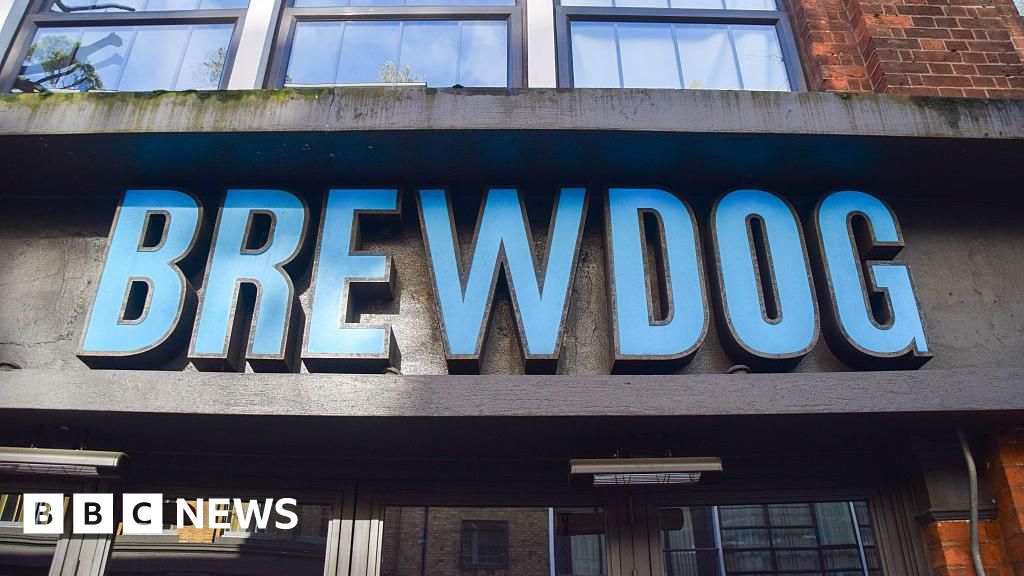
To facilitate a smooth transition under new ownership, the company will temporarily suspend its online sales. This measure is likely aimed at preventing potential logistical complexities or brand integrity issues during the handover period. Despite this, Taylor assured employees that Brewdog bars across the UK and internationally would continue to trade as normal over the weekend, seeking to minimize disruption to customer experience and daily operations. The CEO also indicated that there has been "a great deal of interest" from potential buyers, suggesting that despite its recent challenges, Brewdog remains an attractive asset in the global beverage industry, likely due to its strong brand recognition, established distribution channels, and dedicated customer base. A comprehensive update is anticipated at an "all hands" company meeting scheduled for early next week, where further details regarding the sale and its implications are expected to be unveiled. Brewdog has, however, declined to comment publicly when approached by BBC Scotland News.
The impending sale has ignited significant concern among the approximately 200,000 individuals who invested in Brewdog through its innovative "Equity for Punks" crowdfunding initiatives. Launched in 2009, this pioneering scheme allowed ordinary enthusiasts to buy shares in the company, often receiving discounts, exclusive merchandise, and other perks in return. By the time it closed to new investors in 2021, "Equity for Punks" had reportedly raised an impressive £75 million, playing a crucial role in financing Brewdog’s ambitious global expansion, which saw it establish four breweries and more than 100 bars worldwide.
The core of the investors’ apprehension lies in the differing nature of their shareholdings compared to institutional investors. In 2017, US private equity firm TSG Consumer Partners acquired a 22% stake in Brewdog. Crucially, TSG was granted "preference shares," a type of equity that carries certain advantages over "ordinary" shares, such as those held by "Equity for Punks" investors. In the event of a company sale or liquidation, holders of preference shares are typically first in line to recoup their initial investment, often with a predetermined return, before any proceeds are distributed to ordinary shareholders. This contractual arrangement means that if Brewdog is sold for a valuation that doesn’t significantly exceed the amount owed to TSG and other preferential creditors, there may be little or nothing left for the small, crowd-funded investors. Consequently, many "Equity for Punks" shareholders are voicing fears that their investments could become "worthless," while others acknowledge the inherent risks associated with such ventures, understanding that equity investments can fluctuate in value and are not guaranteed. It is important to note that there is no suggestion of any illegal activity on the part of Brewdog regarding these investment structures.
The announcement of the sale comes on the heels of several difficult corporate decisions and controversies that have shadowed Brewdog in recent times. Just last month, the company made the strategic decision to halt the production of its gin and vodka brands at its distillery in Ellon, Aberdeenshire. This move was framed as an effort to "sharpen" the business’s focus, suggesting a pivot back towards its core beer products amidst broader financial restructuring.
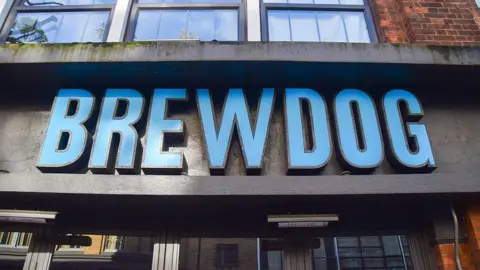
In October of the previous year, Brewdog announced significant job cuts across various departments after reporting a substantial £37 million loss. This restructuring aimed to reduce operational costs and improve efficiency in the face of declining profitability. Earlier in 2025, the company also confirmed the closure of 10 bars across the UK, a decision that notably included its flagship pub in Aberdeen, the city where Brewdog first made its mark. These closures and job reductions reflect a broader trend of consolidation and cost-cutting as the company navigates a challenging economic landscape and increased competition in the craft beer market.
Currently, Brewdog employs approximately 1,400 people globally. Beyond its primary site in Ellon, the company maintains brewing operations in the United States, Australia, and Germany (though the German arm is now slated for liquidation). These international ventures underscore the company’s global ambitions and reach, which were largely financed by the "Equity for Punks" model.
Brewdog’s journey has been characterized by a shifting public image. In its early days, the firm consciously cultivated an identity as a "rebellious challenger," a punk rock disruptor seeking to overturn what it perceived as the stuffy, corporate conventions of the traditional UK brewing industry. This anti-establishment stance resonated with a generation of consumers seeking authentic, independent brands. However, this carefully crafted image faced considerable strain in 2024 when the company announced a policy change: it would no longer commit to hiring new staff on the real living wage, instead opting to pay the lower legal minimum wage. This decision sparked a significant backlash, with critics pointing out the hypocrisy of a brand built on progressive values seemingly backtracking on worker welfare. The move was widely seen as a betrayal of its "punk" roots and further tarnished its reputation, which had already faced scrutiny over workplace culture issues in previous years. The irony of a company that once railed against corporate greed now making decisions akin to the very corporations it once opposed has not been lost on its former loyalists and investors.
As Brewdog stands on the precipice of new ownership, all eyes will be on the upcoming announcement. The sale will not only determine the future trajectory of one of the most recognizable craft beer brands but also set a precedent for the implications of crowdfunding models in high-growth, high-risk ventures, particularly for the thousands of small investors who bought into the "punk" dream.


 atisusanti
 George Anjay