George Anjay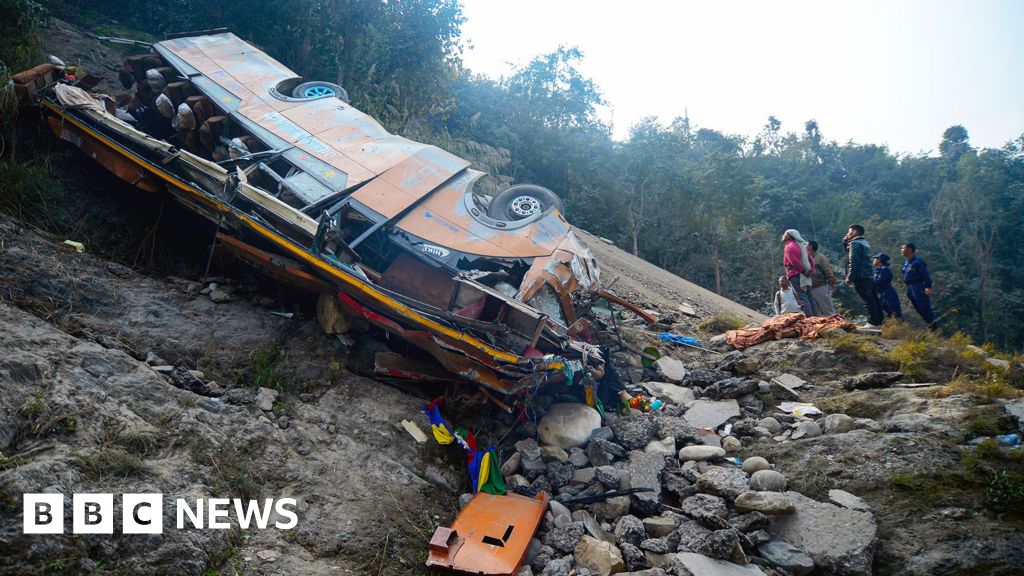
A 24-year-old British national is among the 19 individuals who tragically lost their lives in a devastating bus crash in Nepal, according to official police reports. The ill-fated vehicle, carrying a diverse group of tourists, was en route to the capital city of Kathmandu when it veered off the treacherous mountain highway. In a horrifying incident that unfolded in the early hours of Monday morning, the bus plummeted approximately 200 meters onto the riverbank of the Trishuli river, located in the country’s central Dhading district. The sheer impact of the fall has left investigators and rescue teams grappling with the scale of the disaster.
The bus, which had departed from Pokhara, a renowned hub for adventure tourism and a popular starting point for trekkers, was carrying a total of 44 passengers and the driver. The catastrophic crash resulted in 25 individuals sustaining injuries, ranging from minor to severe. Emergency services were immediately mobilized, with multiple teams, including specialized police units, the Nepali army, and a dedicated rescue team of divers, dispatched to the perilous crash site. Their urgent efforts were crucial in the immediate aftermath of the incident, working against the clock to rescue survivors and recover the deceased from the rugged terrain.
According to police spokesman Abinarayan Kafle, speaking to BBC Nepali, the grim toll at the scene was initially 17 fatalities. Tragically, two more individuals succumbed to their injuries while receiving urgent medical treatment, bringing the total number of confirmed deaths to 19. The process of identifying the victims has been painstaking, with Nepalese police stating that they have so far successfully identified nine of the deceased. The nationalities of the victims are still being meticulously confirmed, but initial reports indicate a mix of international travelers, highlighting the global appeal of Nepal as a tourist destination.
Among those who sustained injuries are a Chinese national and a New Zealander, as confirmed by Nepalese police. All injured individuals have been transported to hospitals in the capital, Kathmandu, where they are receiving necessary medical attention. It has also been confirmed that children were among the passengers on board the ill-fated bus, adding another layer of heartbreak to this already tragic event. The presence of children underscores the vulnerability of all passengers and the profound impact of such accidents on families.
The UK Foreign Office has confirmed its involvement, stating that it is providing assistance to the family of the British national who perished in the crash. A spokesperson for the Foreign Office told the BBC, "We are supporting the family of a British man who has died in Nepal and are in contact with the local authorities." This assistance is crucial in navigating the complex procedures and emotional turmoil that families face in such circumstances, offering consular support and facilitating communication.
Authorities are actively conducting an investigation into the precise cause of the accident. While the exact circumstances leading to the loss of control are yet to be definitively determined, road accidents are a depressingly common occurrence in Nepal. This unfortunate reality is attributed to a confluence of factors, including the often-poor state of road maintenance, the narrow and winding nature of paths in the mountainous regions, and at times, issues related to vehicle condition and driver fatigue. The country’s challenging topography, while offering breathtaking vistas, also presents significant risks for transportation.
This recent tragedy echoes a similar incident that occurred earlier in 2024. In that event, at least 14 people lost their lives when a bus traveling from Pokhara to Kathmandu plunged into the Marsyangdi river in the Tanahun district. Such recurring incidents highlight the persistent safety concerns on Nepali roadways, particularly for long-distance bus travel. The geographical challenges of Nepal, with its dramatic elevation changes and remote areas, necessitate constant vigilance and investment in infrastructure and safety protocols.
Nepal remains a magnet for international visitors, drawn by its unparalleled natural beauty and the allure of adventure. The majestic Himalayan mountain range, including the world’s highest peak, Mount Everest, attracts climbers and trekkers from across the globe. Tourists also flock to experience Nepal’s rich cultural heritage and vibrant traditions. However, the inherent risks associated with travel in such a mountainous terrain cannot be understated, and incidents like this bus crash serve as a stark reminder of the need for enhanced safety measures and public awareness. The investigation into this latest disaster will undoubtedly focus on identifying any contributing factors, whether they be road conditions, vehicle maintenance, or human error, in the hope of preventing future occurrences. The recovery efforts, the identification of all victims, and the support for the injured and bereaved families will remain the immediate priorities for the Nepalese authorities and international partners. The image accompanying the report, a wide shot of the bus lying on its side on the riverbed with its wheels pointing upwards, vividly captures the destructive force of the fall and the scale of the devastation. Another image, a map of Nepal, serves to orient the reader to the geographical location of the incident, highlighting the distance between Pokhara and Kathmandu and the challenging terrain that often characterizes inter-city travel in the country.



 Nakalama John
 Roy Suryo
 Nana Banana
 atisusanti