Ramos Leo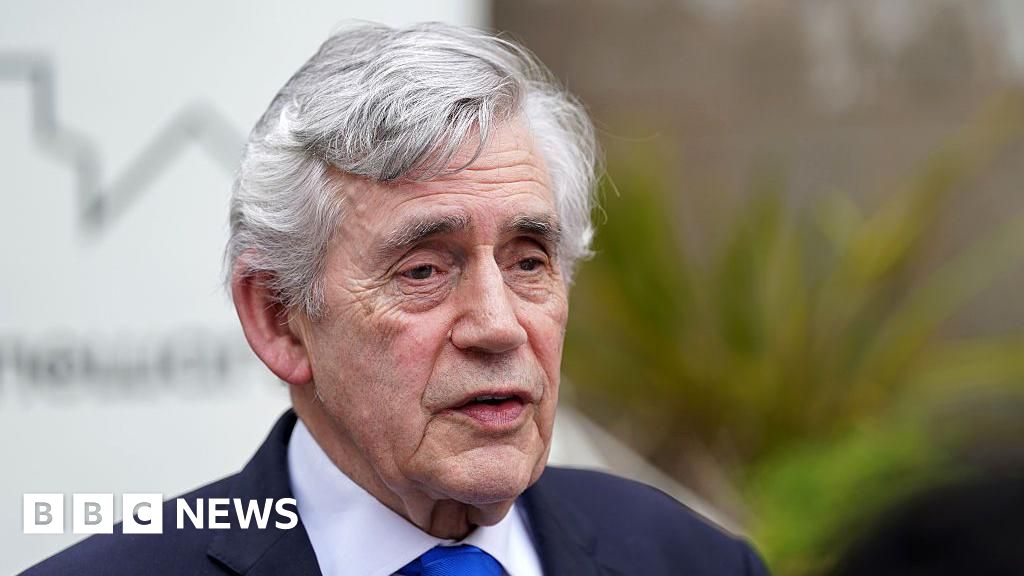
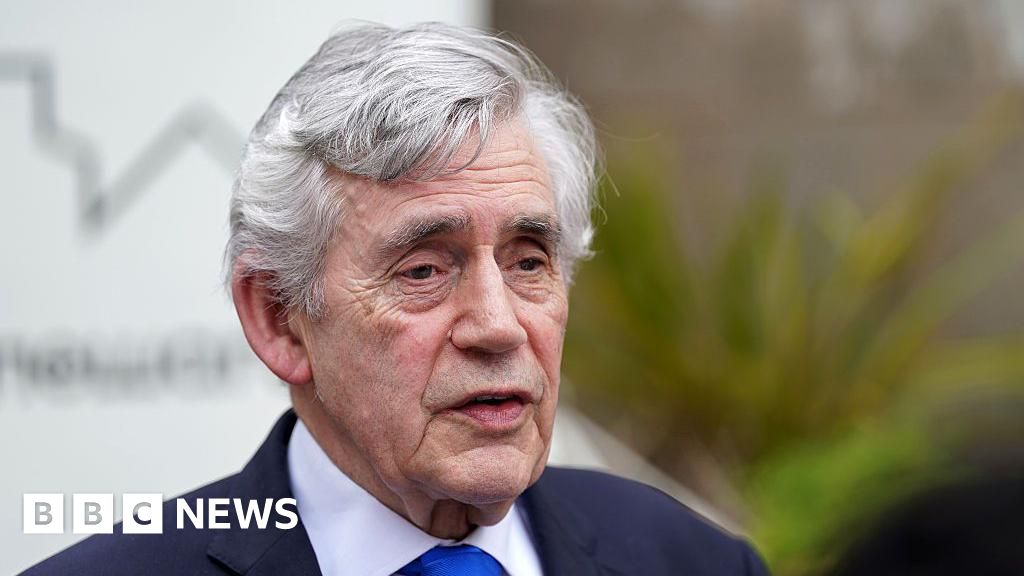
Former Prime Minister Gordon Brown has escalated his demands for a comprehensive police investigation into allegations that Prince Andrew, also known as Andrew Mountbatten-Windsor, leveraged taxpayer-funded jets and Royal Air Force (RAF) bases to facilitate meetings with the convicted paedophile Jeffrey Epstein. These calls, initially reported by the Sunday Telegraph, underscore a significant new chapter in the ongoing scrutiny of Prince Andrew’s past associations and official conduct.
Brown’s intervention comes in the form of letters dispatched to no fewer than six police forces across the UK. These forces include the Metropolitan Police, Surrey Police, Sussex Police, Thames Valley Police, and Essex Police, alongside other unnamed "relevant UK police constabularies." In his communications, Brown explicitly suggested that civil servants who served during Prince Andrew’s tenure as the UK’s Special Representative for International Trade and Investment should be questioned. This period, spanning from 2001 to 2011, notably overlapped for nearly three years with Brown’s own premiership, from 2007 to 2010.
The former Labour leader’s memorandum to police forces, described as a five-page document, aims to provide "new and additional information" to previous submissions. Brown has publicly stated his concern about ensuring "justice for trafficked girls and women," framing his demands within the broader context of victims’ rights and accountability for those potentially involved or complicit in Epstein’s extensive criminal enterprise. His request for a full investigation extends beyond the use of RAF bases, seeking to scrutinize the entirety of Prince Andrew’s trade envoy role, its financial cost to taxpayers, and any discernible links between his official government work and the late financier Jeffrey Epstein.
Prince Andrew has consistently and vehemently denied any wrongdoing in connection to Jeffrey Epstein. Epstein himself died in a New York prison cell in August 2019 while awaiting trial on federal sex trafficking charges, a death ruled a suicide. His death, however, did not extinguish the intense public and legal interest in his network and those associated with him.
The core of Brown’s latest concern revolves around the potential misuse of state assets, specifically military airfields. The Ministry of Defence (MoD) has previously addressed questions regarding the use of RAF facilities by private aircraft. In October 2025, and again in response to recent BBC inquiries, the MoD reiterated its long-standing policy: "it is standard practice for spare capacity at RAF airfields in the UK to be used for private or commercial aircraft, subject to fees which cover all costs." The MoD clarified that such use "is not automatic and will only be approved when there is no adverse impact to military aircraft and where approval would not interfere with the security or smooth running of the airfield." While this policy outlines a general framework, Brown’s demand implies a deeper inquiry into whether these protocols were appropriately applied, especially concerning an individual like Epstein, who had a known criminal conviction.
A particularly damning piece of evidence cited by the Sunday Telegraph, and likely part of Brown’s submitted memorandum, involves an email exchange that suggests Prince Andrew might have actively sought permission for Epstein to use military bases. The exchange reportedly begins with Jon Swain asking if Andrew had secured permission for Epstein’s use of military facilities. This question was then forwarded to Epstein by Ghislaine Maxwell, Epstein’s long-time associate and accomplice, who was herself convicted in the US in 2021 for her role in luring underage girls for Epstein. Epstein’s response to Maxwell was succinct and chilling: "just spoke to Larry… it’s true." "Larry" is understood to be Larry Visoski, Epstein’s chief pilot, who managed much of his private jet travel and logistics. Maxwell’s subsequent expletive-laden response in the email chain hints at the unusual or surprising nature of this arrangement.
Crucially, Brown is specifically requesting police examine whether Epstein was granted access to RAF bases after his 2008 conviction in Florida for soliciting child prostitution. This distinction is vital, as any such access after a serious conviction would raise profound questions about security clearances, due diligence, and potential breaches of national security protocols, as well as the appropriateness of a member of the Royal Family facilitating such access for a known sex offender.
The renewed focus on Prince Andrew’s activities comes amid a flurry of developments. Only last Thursday, Prince Andrew was arrested by Thames Valley Police on suspicion of misconduct in public office. He was released under investigation 11 hours later. Misconduct in public office is a serious common law offence in the UK, applicable to public officials who abuse their position for personal gain or to cause harm. This arrest itself signals a significant escalation in the legal scrutiny facing the Duke of York.
Prince Andrew has remained silent in the face of recent specific allegations that have emerged following the release of numerous previously sealed US court files connected to Epstein’s case. These files, unsealed by a New York judge, have shed new light on the vast scope of Epstein’s network and the testimonies of his victims, bringing renewed pressure on those associated with him. Among these allegations are claims that Prince Andrew shared sensitive information with Epstein during his tenure as trade envoy, raising further questions about his conduct in a public role.
Adding to the intensity of the situation, searches are reportedly continuing this weekend at Royal Lodge, Prince Andrew’s former Windsor mansion, where he resided for many years. The nature and purpose of these searches have not been fully disclosed, but they suggest an ongoing and active investigation into various aspects of his past.
Gordon Brown’s forceful intervention signifies a political and moral weight that adds considerable pressure on law enforcement agencies to act decisively. As a former head of government, his calls are not merely those of a concerned citizen but carry the gravitas of a figure who once held the highest office. His emphasis on justice for victims underscores the ethical imperative driving these demands, ensuring that the serious nature of Epstein’s crimes and their impact remains at the forefront of any investigation into his associates. The unfolding inquiry into Prince Andrew’s use of state resources and his interactions with Jeffrey Epstein continues to be a matter of intense public interest and legal significance.


 Nana Banana
 atisusanti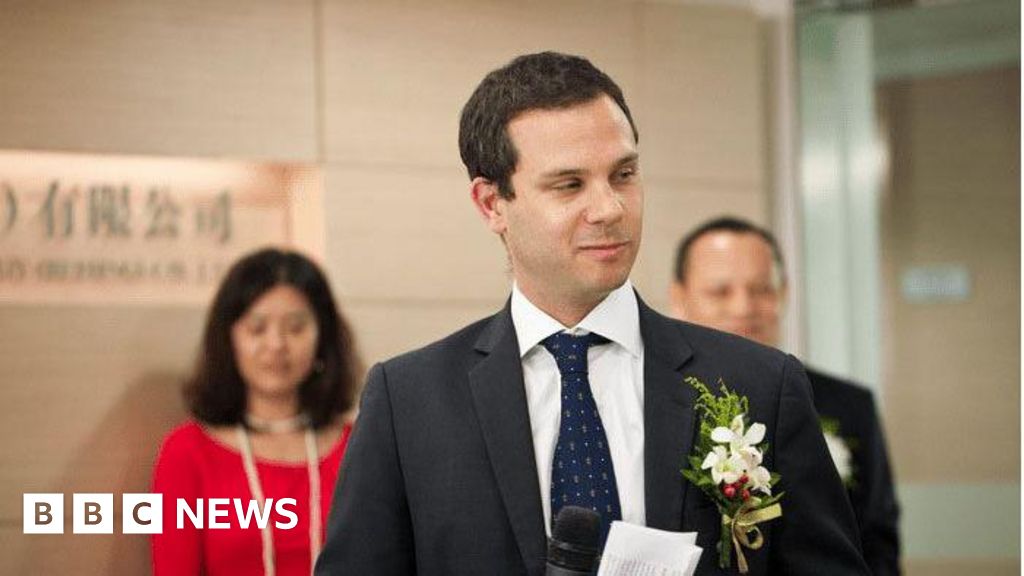
 Nakalama John
 George Anjay