
 atisusanti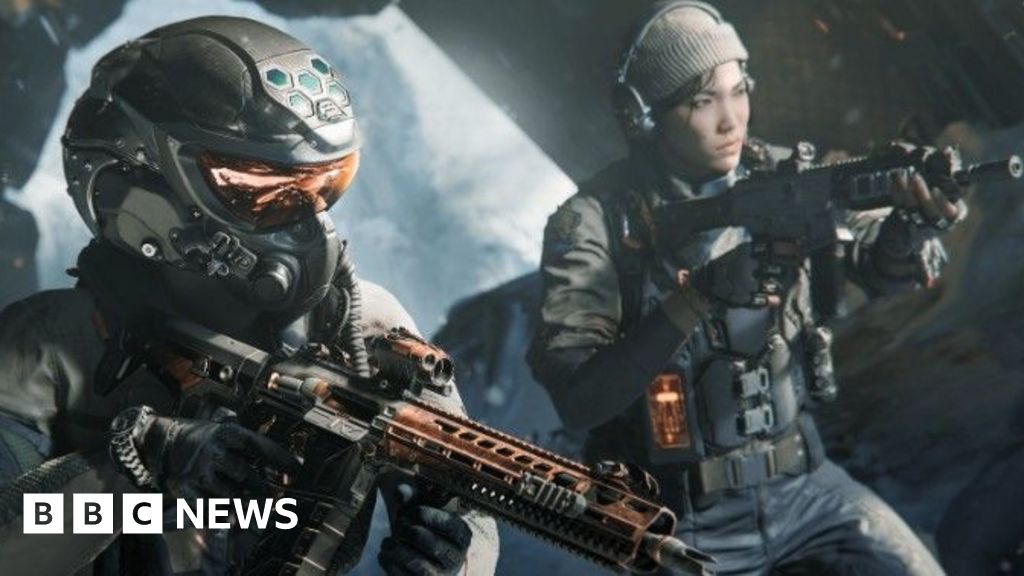
A highly anticipated advertising campaign for the latest installment in the blockbuster Call of Duty franchise, Call of Duty: Black Ops 7, has been dramatically pulled from airwaves and online platforms following a scathing ruling by the UK’s Advertising Standards Authority (ASA). The commercial, which featured a darkly comedic premise of overwhelmed airport security personnel being replaced by overly enthusiastic gamers, has been deemed to have trivialised sexual violence, drawing sharp criticism from nine viewers and ultimately leading to its prohibition in its current form. The controversial spot, which aired in November 2025 across various video-on-demand services, including ITV and Channel 5, as well as YouTube, depicted a scenario where real airport security officers were too engrossed in playing Call of Duty: Black Ops 7 to perform their duties. This led to a group of "replacers," identified as gamers, stepping in to fill the void.
The crux of the complaint stemmed from a particular scene within the advert. A male traveler, selected at random for a security check, is informed by a female "replacer" officer, who is donned in gloves, that he has been chosen "to be manhandled." The officer then instructs the traveler to strip down to his underwear, a directive accompanied by the ominous phrase, "time for the puppet show." This sequence, intended to be humorous by highlighting the absurdity of gamers taking on critical roles, was interpreted by viewers as a thinly veiled and deeply offensive reference to sexual assault. They argued that the ad irresponsibly and offensively trivialised the gravity of sexual violence, particularly in a public space like an airport.
Activision Blizzard UK Ltd, the gaming giant behind the Call of Duty series, defended its campaign, asserting that the advert was specifically targeted at an adult audience, aged 18 and over, given the mature rating of the video game itself. The company argued that this demographic possesses a higher tolerance for irreverent and exaggerated humor, and that the advertisement was designed to appeal to this understanding. They maintained that the scenario presented was deliberately implausible and parodic, bearing no resemblance to actual airport security procedures. Furthermore, Activision Blizzard contended that the ad did not sexualize the act of performing searches, and that the humor was derived from the character’s discomfort and awkwardness rather than any explicit sexual content. They also stated that even if some viewers inferred innuendo, the advertisement did not feature explicit imagery or objectifying visuals. The company also pointed out that the ad had undergone pre-clearance by Clearcast, the UK’s non-broadcast advertising clearance organization, and was approved with an "ex-kids" timing restriction, meaning it was not broadcast during or around programming targeted at children under 16.
However, the ASA’s investigation reached a different conclusion. While acknowledging that the video did not contain explicit imagery and that the man remained clothed throughout the scene, the watchdog’s ruling focused on the underlying narrative and the implied threat. The ASA stated that the advert depicted a non-consensual, invasive search of an individual at airport security. Crucially, the authority noted that the humor was "generated by the humiliation and implied threat of painful, non-consensual penetration of the man." This interpretation led the ASA to conclude that the advertisement had indeed trivialised sexual violence, rendering it irresponsible and offensive. Consequently, the ASA ruled that the ad must not be broadcast again in its current form, sending a strong message to advertisers about the boundaries of acceptable content, particularly when dealing with sensitive themes.
Beyond the primary complaint, two additional viewers raised concerns about a separate scene in the advert that they believed encouraged or condoned drug use. This scene involved the replacement officers picking up a prescription medication container and one of them winking. However, the ASA did not uphold this specific complaint, suggesting that the visual cue was not sufficiently strong to warrant a ban on those grounds.

This is not the first time a Call of Duty advertisement has faced regulatory action. The franchise has a history of pushing boundaries with its marketing campaigns, and previous installments have also run afoul of advertising standards. In 2012, an advert for Call of Duty: Modern Warfare 3 was given a daytime ban by the ASA. That particular commercial featured scenes of violence and destruction, including armed individuals firing at a lorry, which the authority deemed inappropriate for young children and thus restricted its broadcast to times when younger audiences were less likely to be watching. The latest ban on Call of Duty: Black Ops 7 underscores the ongoing scrutiny of advertising content, particularly in the realm of video games, and highlights the sensitivity surrounding depictions of violence and sexual themes. The ruling serves as a reminder to advertisers that even in pursuit of edgy or humorous marketing, the potential for causing offense and trivializing serious issues must be carefully considered and avoided. The future marketing of Call of Duty: Black Ops 7 will undoubtedly be subject to much closer examination, with the developers needing to find a way to promote their game without crossing the line into unacceptable territory. The ban has sparked discussions within the gaming community and among advertising professionals about the evolving landscape of marketing ethics and the responsibility of major brands in shaping public perception.



 Ramos Leo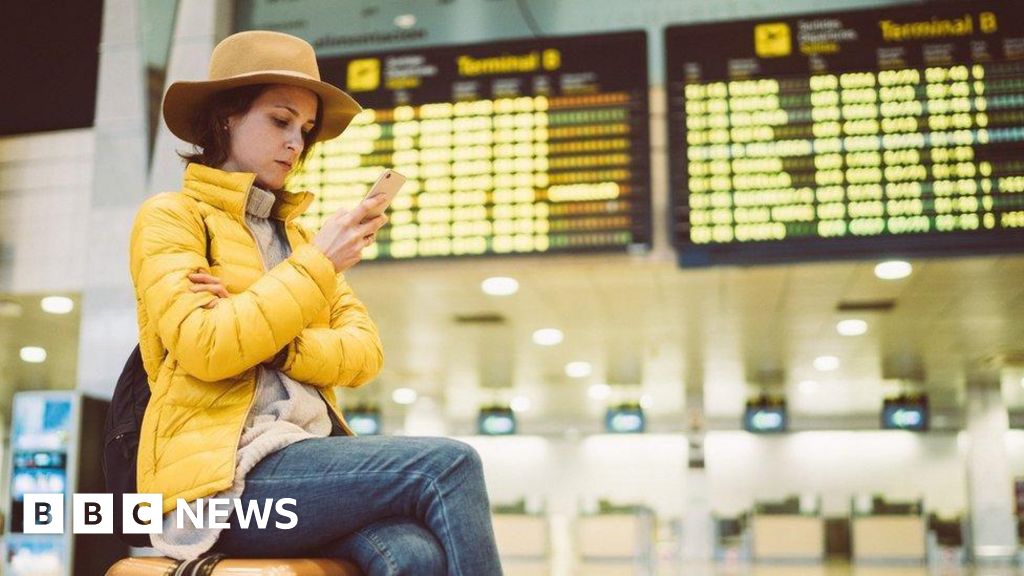
 Nakalama John
 George Anjay

 Roy Suryo