
 atisusanti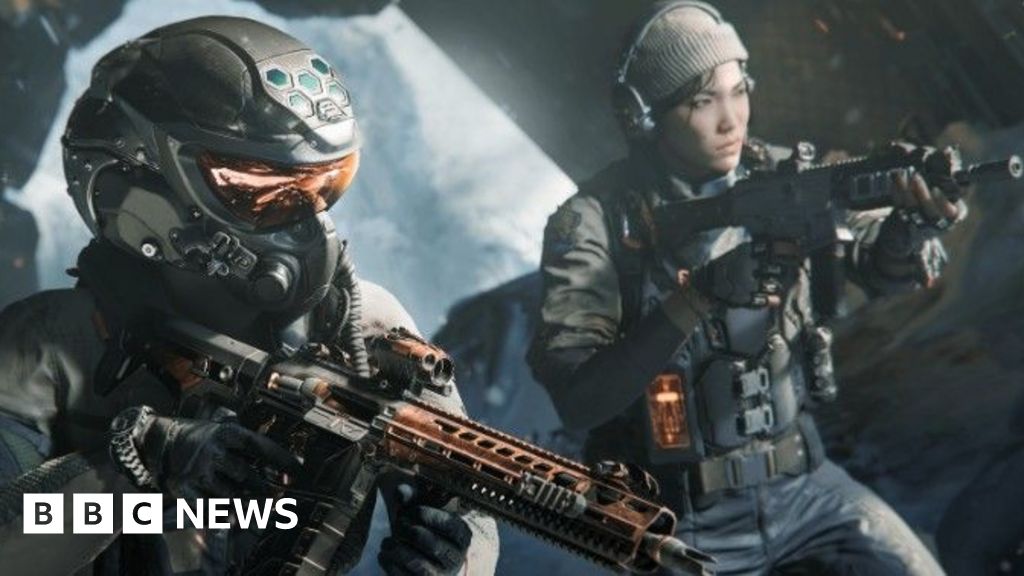
An advertisement for the latest installment in the hugely popular Call of Duty franchise, "Black Ops 7," has been banned by the UK’s Advertising Standards Authority (ASA) for its perceived trivialization of sexual violence. The commercial, which ran across various online and video-on-demand platforms, including ITV and Channel 5, in November 2025, depicted a scenario at an airport security check where fictional "replacer" officers were filling in for real personnel who were allegedly too engrossed in playing the new game. This creative concept, intended to highlight the addictive nature of "Black Ops 7," has instead sparked significant controversy and led to a regulatory crackdown.
The specific advertisement that drew the ire of the ASA featured an actor portraying an airport security officer instructing a passenger, played by another actor, to strip down. The officer, who had donned a pair of gloves, then ominously stated, "time for the puppet show." This particular line, coupled with the visual of the man being told to undress to his undergarments while the officer prepared for a search, led to numerous complaints from viewers who found the content "irresponsible and offensive." Nine viewers lodged formal complaints with the ASA, arguing that the advert trivialized sexual violence and depicted a non-consensual, invasive act in a humorous context.
Activision Blizzard UK Ltd, the gaming company behind Call of Duty, defended the advertisement, asserting that it was designed to promote an 18-rated video game and was therefore targeted exclusively at adult audiences. The company contended that adults possess a higher tolerance for irreverent or exaggerated humor and that the ad was not intended to be taken literally. They emphasized that the scenario was deliberately implausible and parodic, bearing no resemblance to actual airport security procedures. Furthermore, Activision Blizzard argued that the advert did not sexualize the act of performing searches, with the humor stemming from potential discomfort rather than explicit sexual content. They also stated that even if some viewers inferred innuendo, the ad did not contain explicit imagery or objectifying visuals.
The ASA, however, reached a different conclusion. While acknowledging that the video did not feature explicit imagery and that the man remained clothed throughout the scene, the watchdog found that the humor was "generated by the humiliation and implied threat of painful, non-consensual penetration of the man." The authority determined that the advert trivialized sexual violence, deeming it irresponsible and offensive. Consequently, the ASA ruled that the advertisement must not appear again in its current form, effectively pulling it from circulation.
The "replacer" campaign featured several commercials, each humorously illustrating how different professions were being taken over by enthusiastic gamers who had supposedly abandoned their duties to play "Black Ops 7." The airport security ad was just one of a series of spots aimed at generating buzz for the highly anticipated title. Comedian Nikki Glazer was among the actors who featured in the campaign, playing one of the "replacer" characters. The use of a recognizable public figure in a controversial ad likely amplified its reach and impact.
In addition to the complaints regarding sexual violence, two further complainants questioned whether the advertisement encouraged or condoned drug use. This concern arose from a brief scene where the replacement officers were seen picking up a prescription medication container and exchanging a knowing wink. However, the ASA did not uphold this particular complaint, finding insufficient evidence to suggest that the ad promoted drug use.
This is not the first time an advertisement for the Call of Duty series has faced regulatory action. In 2012, an advert for "Call of Duty: Modern Warfare 3" was given a daytime ban by the ASA. This earlier ban was due to scenes of violence and destruction that were deemed inappropriate for young children, highlighting a recurring challenge for game developers in balancing marketing strategies with public sensitivities and regulatory guidelines. The 2012 ad featured armed men firing at a lorry, a depiction that crossed the line for daytime viewing restrictions.
The decision by the ASA underscores the delicate balance advertisers must strike when promoting mature-rated content. While "Black Ops 7" is designed for an adult audience, advertisements are subject to broader scrutiny, and the potential for misinterpretation or offense remains a significant concern. The ASA’s ruling emphasizes that even in humorous or exaggerated contexts, content that touches upon sensitive themes like sexual violence can be deemed harmful and irresponsible. The company’s reliance on a pre-clearance review by Clearcast, which approves TV advertising, and the "ex-kids" timing restriction indicate efforts to comply with regulations. However, the fact that the ad still attracted a significant number of complaints and ultimately led to a ban suggests that the execution of the campaign, despite these precautions, missed the mark for a segment of the viewing public.

The ASA’s decision is likely to prompt a review of advertising strategies for future game releases. Publishers may need to be more cautious in their creative approaches, particularly when dealing with themes that can be easily misconstrued. The incident also highlights the increasing power of online platforms and viewer feedback in shaping advertising standards, as complaints can quickly escalate and lead to swift regulatory intervention. The ban on the "Black Ops 7" advertisement serves as a stark reminder that even in the realm of entertainment, responsible marketing practices are paramount. The future of Call of Duty advertising will undoubtedly be shaped by the lessons learned from this controversial campaign. The company’s defense, while highlighting their intent, ultimately failed to persuade the ASA that the advert did not trivialize a serious issue. The decision signifies a clear stance from the regulator against advertising that, even inadvertently, could desensitize audiences to the gravity of sexual violence.



 Nakalama John
 George Anjay