Roy Suryo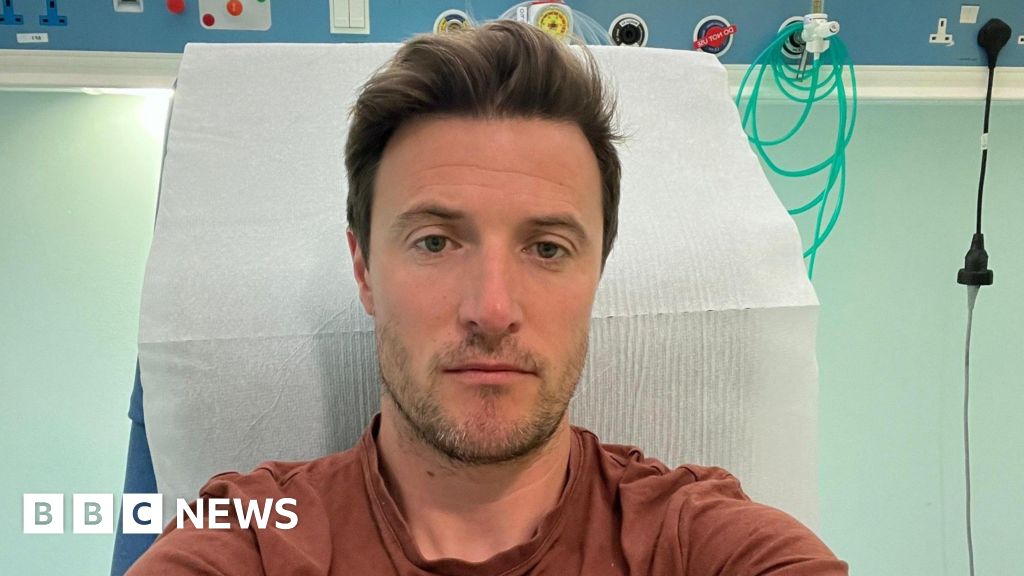
Anthony Perriam, a father of two from Cardiff, has shared his harrowing experience of battling cancer linked to the Human Papillomavirus (HPV), an ordeal that brought him perilously close to losing his tongue. The 41-year-old’s journey began with what he initially dismissed as a minor inconvenience – a small lump under his jaw. He had no inkling that this seemingly insignificant lump would lead to a life-altering diagnosis of cancer, requiring extensive surgery and treatment that dramatically impacted his physical well-being and mental health.
"I’d only ever heard of HPV in relation to cervical cancer," Anthony confessed, highlighting a widespread lack of awareness regarding the virus’s potential to affect men. "I had no idea it could cause cancers like this, especially in men." This revelation underscores a critical gap in public understanding, particularly concerning the diverse range of cancers HPV can cause. Anthony’s stark warning serves as a potent reminder that HPV is not solely a women’s health issue; it poses a significant threat to men as well.
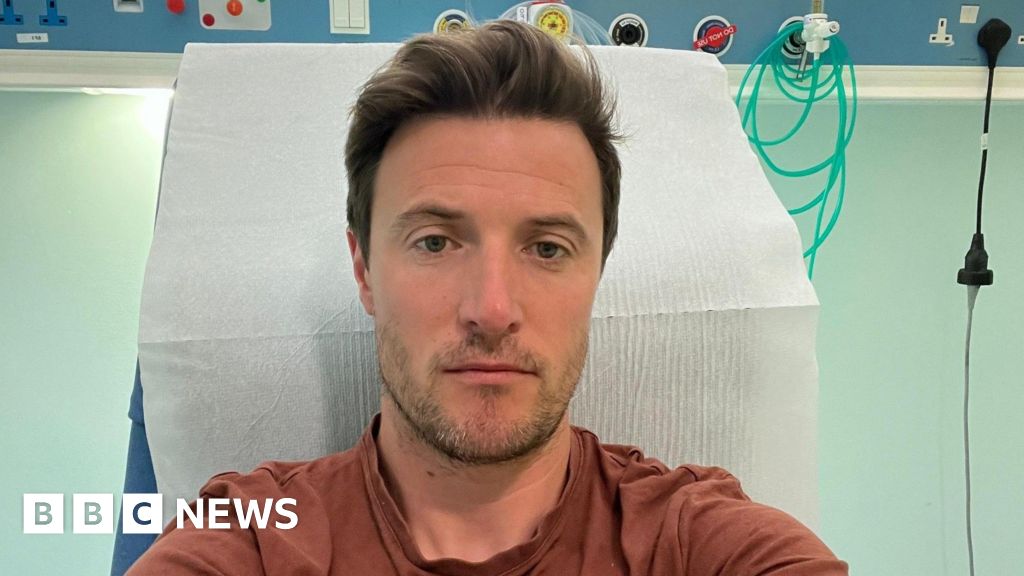
The journey from a simple lump to a cancer diagnosis was a terrifying one for Anthony and his family. He underwent a series of diagnostic tests, including a CT scan, biopsy, and MRI, which ultimately confirmed the presence of the disease in March 2023. "I had a three-year-old and a six-year-old at the time," he recalled, his voice tinged with the lingering trauma of that period. "My first thought wasn’t about me, it was about them. I was completely petrified for them." The fear of leaving his young children without a father was an overwhelming motivator throughout his fight.
The aggressive nature of the cancer necessitated a radical surgical intervention. Surgeons removed a staggering 44 lymph nodes from Anthony’s neck in a bid to eradicate the disease. The primary tumour, located at the base of his tongue, was eventually discovered and removed using advanced robotic-assisted surgery. This complex procedure offered a glimmer of hope, but the gravity of the situation was palpable. "They told me they caught it just in time," Anthony stated, emphasizing the precariousness of his condition. "One of the lymph nodes was on the verge of rupturing. If it had gone any further, it could have spread." This near-catastrophe highlights the critical importance of early detection and intervention.
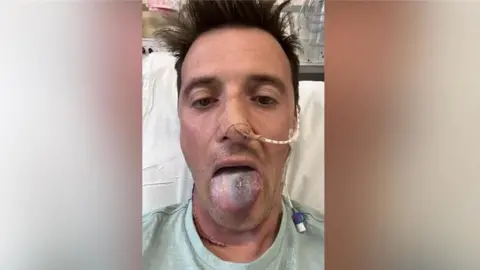
Following surgery, Anthony faced a grueling course of radiotherapy and chemotherapy. The treatment regimen took a severe toll on his body, leading to a significant weight loss of 22kg (48.5 lbs). The physical side effects were profound and debilitating. "All of my saliva disappeared," he explained, describing the constant discomfort and difficulty in managing basic bodily functions. "Even drinking was difficult, as everything turned to powder in my mouth." The loss of saliva, a crucial component for digestion and oral health, made even simple acts like eating and swallowing a monumental challenge.
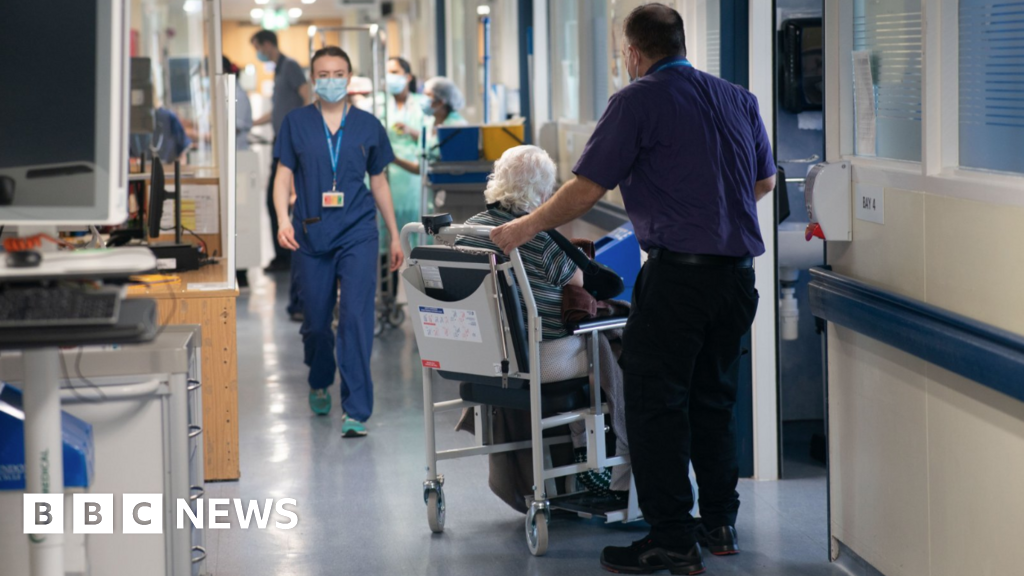
The treatment also left him profoundly weak. "I was so weak that I eventually needed a wheelchair," Anthony admitted, reflecting on a period where his independence was severely compromised. The emotional and psychological impact of his illness and treatment was equally significant. "Being wheeled down the corridor and into radiotherapy was starting to affect my mental health," he confessed. However, the unwavering support of his family provided him with the strength to persevere. "But my family gave me the motivation to get through it and I wanted to live to see my 40th birthday," he said, his voice filled with gratitude.
Anthony’s ordeal serves as a stark wake-up call about the prevalence and dangers of HPV-related cancers, particularly among men, a demographic often overlooked in public health campaigns. "If you find a lump, even if it doesn’t hurt, get it checked," he urged, his message resonating with urgency. "This kind of cancer isn’t talked about enough, especially among men. Early action really does save lives." His plea emphasizes the need for greater awareness and proactive health-seeking behaviour.
HPV, a common group of viruses affecting the skin, typically does not cause problems for most individuals. However, certain strains are known to cause genital warts and a range of cancers, including head and neck cancers in men and cervical cancer in women. According to NHS Wales, most people infected with HPV will clear the virus naturally from their bodies. Yet, for a subset of the population, persistent infection can lead to serious health consequences.
The NHS recommends an HPV vaccine for children aged 12 and 13, as well as for individuals at higher risk. This vaccine is a crucial tool in preventing HPV-related diseases. Sandeep Berry, a consultant otolaryngologist head and neck surgeon at Cardiff and Vale health board, strongly endorsed the vaccine, urging parents to encourage their children to receive it. "The HPV vaccine has been used worldwide for years, it’s safe and effective, and is part of the national immunisation programme in Wales," he stated. "It helps boys and girls stay healthy, prevents HPV-related cancer and strengthens public health overall."
Dr. Berry further explained the optimal timing for vaccination: "The vaccine is given in Year 8 as it’s when the immune system responds most strongly and before sexual activity begins." This strategic timing maximizes the vaccine’s effectiveness in providing long-term protection. The impact of the HPV vaccine is already evident; the University Hospital of Wales reports that since its introduction in 2008, it has led to an almost 90% reduction in cervical cancer rates among women in their 20s.
The transmission of HPV can occur through skin-to-skin contact in the genital area, vaginal, anal, or oral sex, and the sharing of sex toys. While the virus is common, awareness of its potential to cause serious cancers like the one Anthony experienced is still lacking, especially among men. Anthony’s story, marked by the near-loss of his tongue and the profound impact on his life, is a powerful testament to the importance of HPV awareness and the life-saving potential of early detection and vaccination. He considers himself fortunate to have survived and is now dedicated to ensuring others are better informed and empowered to protect themselves from this often-silent threat.



 George Anjay
 Ramos Leo
 Nakalama John

 atisusanti