
 Roy Suryo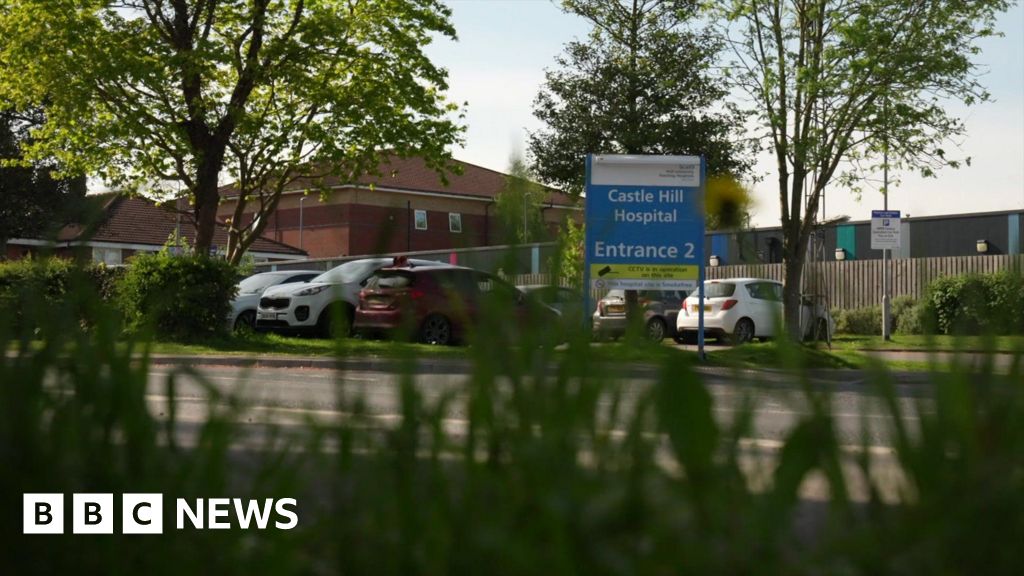
A devastating surgical error at Castle Hill Hospital has resulted in the amputation of a 69-year-old woman’s leg, leaving her reliant on a wheelchair and grappling with profound physical and psychological trauma. The woman, who has chosen to remain anonymous, underwent a knee replacement surgery in 2021 at the Cottingham-based hospital. The procedure, intended to replace a prosthetic knee she had lived with for over 15 years, went catastrophically wrong when a surgeon’s drill slipped, causing irreparable damage to vital nerves and blood vessels. Despite emergency repair attempts, the damage proved too severe, culminating in the heartbreaking decision to amputate her leg above the knee.
Her legal representatives, Hudgell Solicitors, revealed the extent of the negligence that led to this life-altering outcome. Sam Darwin, a specialist in medical negligence claims and the solicitor representing the patient, expressed his dismay at the incident. "This was a life-changing surgical error as a result of the procedure not being conducted with enough care," Mr. Darwin stated. "It was simply unacceptable, and we were pleased that the trust made immediate admissions once our case was put to them." The swift admission by the hospital trust, while acknowledged, offers little solace to a patient whose life has been irrevocably altered.
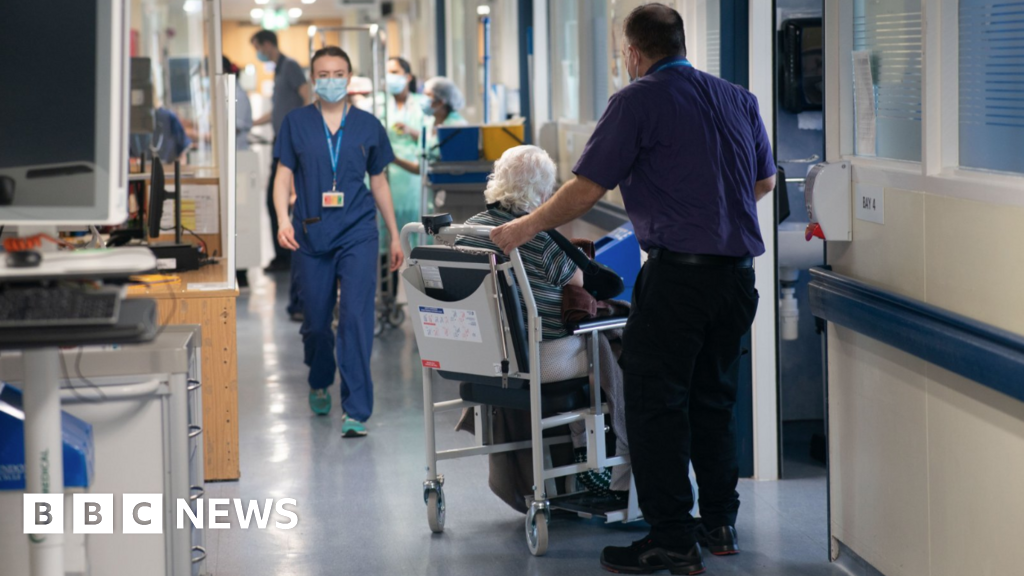
The aftermath of the botched surgery has been a grueling ordeal for the woman. She endured a four-month hospital stay, dedicated to rehabilitation and recovery, before finally being discharged. However, her discharge marked not an end to her suffering, but the beginning of a new, profoundly challenging reality. Now confined to a wheelchair, she faces a future significantly different from the one she had envisioned. "I went in for an operation which was supposed to give me better mobility and ensure I was able to maintain my independence, but it ended up taking almost everything from me," she lamented, her voice thick with emotion.
Driven by the need to secure future care and adapt her living environment to her new circumstances, she initiated legal action against the hospital trust. The compensation sought is not merely financial; it is a crucial step towards regaining some semblance of control over her life and improving her quality of life. The emotional toll has been immense. She described the immense difficulty she has faced, both physically and psychologically, in adapting to her new reality. Even the attempt to use prosthetic legs proved to be a disheartening experience, as she explained that they "kept falling off because of how high the amputation is," highlighting the complex challenges of her recovery. The lingering anger and bitterness were palpable in her words: "I’m still angry and bitter."
The impact of this tragic event has extended beyond the patient herself, deeply affecting her family. Her husband, who himself has undergone cancer treatment through the NHS, expressed his profound disappointment and sense of betrayal. "As a family, we’ve also benefited from excellent NHS care, so I just feel my wife has been so badly let down by an individual," he stated, drawing a stark contrast between his positive experiences with the health service and his wife’s devastating encounter. He recounted the agonizing silence he endured on the day of the operation, stating that he was "told nothing other than she was in recovery." This lack of immediate and transparent communication only amplified the distress and anxiety he and his family experienced. "I can never forgive them for that and I don’t think relatives and patients should be treated in that way," he added, emphasizing the need for better patient and family communication during such critical times.
A spokesperson for Humber Health Partnership, which encompasses the Hull University Teaching Hospitals NHS Trust, issued a statement expressing deep regret for the patient’s experience. "We are very sorry for what this patient has been through," the spokesperson said. They acknowledged that while every medical procedure is undertaken with the intention of providing safe and effective care, "we recognise that things can go wrong." The trust emphasized its commitment to transparency and thorough investigation when such incidents occur. "When they do, we are committed to being open with patients and families, investigating incidents thoroughly, and using the learning to reduce the risk of recurrence," the statement read.
The trust confirmed that they had "worked with the patient’s legal representatives to reach a fair settlement." However, they also conceded that "compensation cannot change what has happened or fully address the impact on the patient and her family," underscoring the immeasurable loss and ongoing challenges faced by the woman.
The case highlights a critical failure in patient care at Castle Hill Hospital, raising questions about surgical protocols, surgeon training, and patient safety measures. While the NHS is a pillar of the British healthcare system, offering invaluable services to millions, instances like this serve as stark reminders of the devastating consequences when errors occur. The woman’s ordeal underscores the long-term physical, emotional, and financial repercussions that patients can face due to medical negligence. Her journey through rehabilitation, her struggle with prosthetics, and her reliance on a wheelchair paint a poignant picture of a life irrevocably changed by a single, catastrophic surgical mistake. The hope is that the trust’s commitment to learning from this incident will lead to enhanced patient safety and prevent similar tragedies from befalling others in the future. The case also brings to the forefront the vital role of legal professionals in seeking justice and appropriate compensation for victims of medical malpractice, ensuring that their future care and quality of life are addressed, even in the face of unimaginable loss. The emotional scars, however, are a testament to the profound human cost of such errors, a cost that no amount of compensation can truly erase. The family’s enduring pain and the patient’s continued struggle serve as a powerful indictment of the failures that led to this devastating outcome, a stark reminder of the trust placed in medical professionals and the devastating consequences when that trust is broken.



 Ramos Leo
 atisusanti
 Nakalama John
 Nana Banana