
 Ramos Leo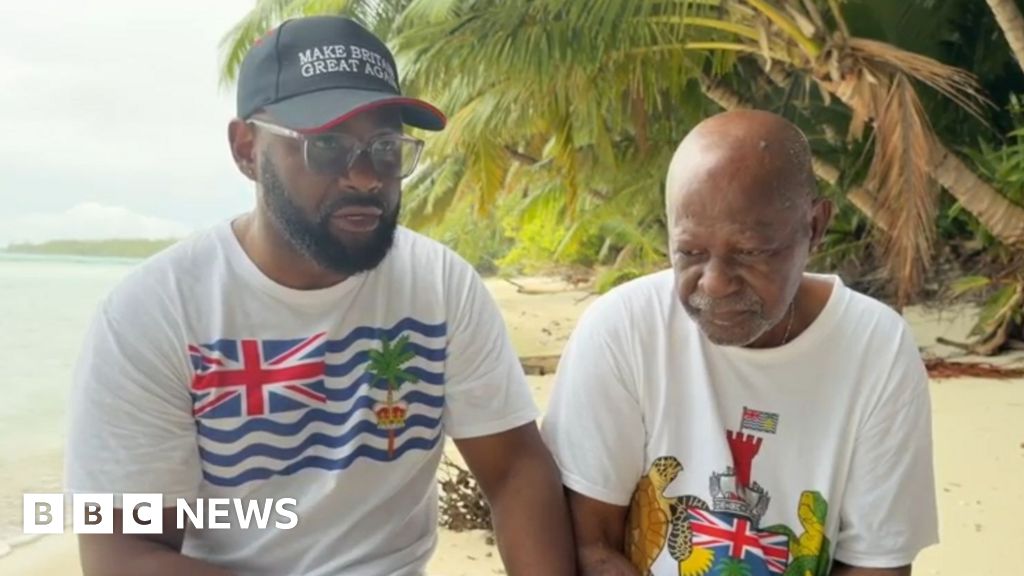
The four determined Chagossians made landfall on a secluded part of the archipelago on Monday, following an arduous sea voyage from Sri Lanka. Their audacious objective was clear: to establish a permanent settlement on their cherished "homeland," a powerful statement against the historical injustice of their forced displacement. The arrival of these individuals, representing a community scattered across the globe, symbolizes a deep yearning for return and self-determination that has persisted through generations.
Shortly after their arrival, a British patrol vessel located the men. Officials subsequently served them with eviction papers, sternly warning that non-compliance could lead to significant fines or even imprisonment. The British Foreign Office swiftly condemned their journey, branding it an "illegal, unsafe stunt" and, somewhat contradictorily, stated that their presence posed no security risk to the vital UK-US military base located on Diego Garcia, the largest island in the archipelago.
Misley Mandarin, a British-Chagossian and a prominent figure among the group, articulated the depth of their resolve in an interview with the BBC. His words were unequivocal: the British would have to "drag me from my beach" and even "kill me" if they intended to force his departure. Mandarin, who boldly identifies himself as the "first minister of a Chagossian government-in-exile," passionately asserted that the islands "belong to us." He issued a fervent plea to the United Kingdom, urging them to "let Chagossians come back to their homeland as British," emphasizing their inherent right to return as citizens of the UK. This stance highlights the dual identity many Chagossians hold, being British citizens yet denied access to their ancestral land under British administration.
Legal representatives supporting the Chagossians have wasted no time, declaring their readiness to challenge the removal order in court. This legal battle is expected to add another layer of complexity to an already protracted dispute, potentially setting a precedent for similar cases involving indigenous land rights and post-colonial grievances. The four individuals on shore are receiving logistical and moral support from a crew on a vessel anchored approximately 182 metres (200 yards) offshore from Ile du Coin, a part of the Peros Banhos atoll, underscoring the coordinated nature of their protest. Their journey commenced from Galle Harbor on the south-western coast of Sri Lanka, a testament to the meticulous planning and dedication involved in this symbolic return.
Adding a unique political dimension to the unfolding drama is Adam Holloway, a former Conservative MP and army officer who recently defected to Reform UK. Holloway played a crucial role in facilitating the Chagossians’ return to the territory and remains on the island, actively assisting in the establishment of their nascent settlement. His presence lends significant weight to the protest, drawing attention from across the British political spectrum. Holloway vehemently criticized the UK-Mauritius deal to cede the islands, labeling it "completely crazy."
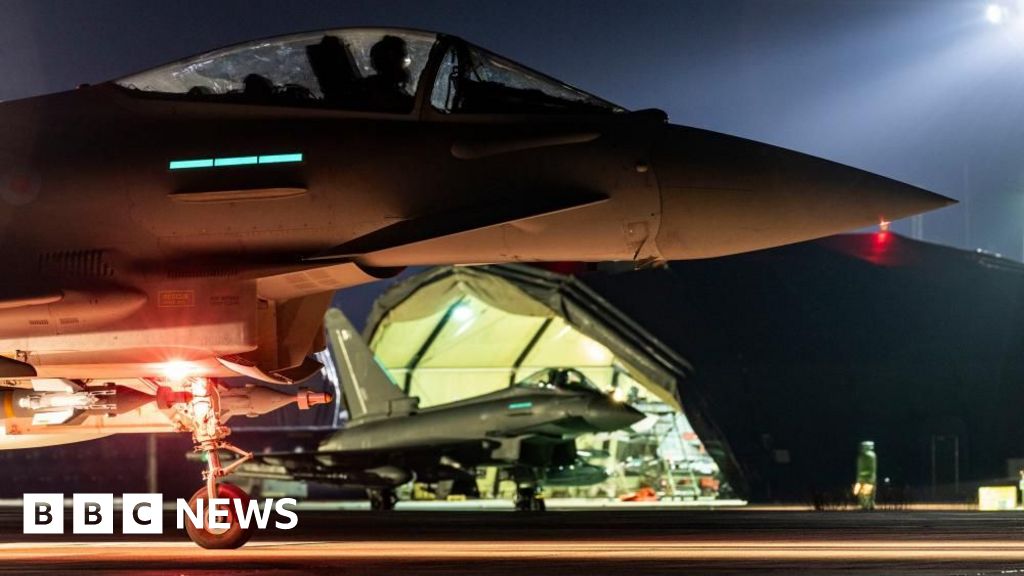
"We’ve done this because Britain is about to make a catastrophically stupid mistake," Holloway declared, emphasizing his strategic concerns. "We are now in a world of great power play. The base at Diego Garcia is absolutely critical to the security of the West." His comments underscore the geopolitical significance of the Chagos Archipelago, particularly Diego Garcia, which serves as a vital strategic military asset for the United States and its allies. The potential transfer of sovereignty, even with provisions for the base, is viewed by some as jeopardizing this crucial asset in an increasingly unstable global environment.
Intriguingly, one of the crew members supporting the Chagossians disclosed that the former MP, Holloway, was "hiding out in the jungle" and had not yet been served with eviction papers. This detail adds a touch of guerrilla theatre to the protest, highlighting the challenging conditions and the cat-and-mouse game being played between the protesters and British authorities. The removal orders themselves were officially issued by an immigration official from the British Indian Ocean Territory (BIOT). Footage captured during the encounter shows the official arriving onshore in a small inflatable boat, proceeding to hand over the formal eviction notice to Misley Mandarin at their makeshift camp. In a somewhat ironic turn, the crew supporting the Chagossians revealed that the BIOT patrol boat encountered difficulties reaching the shore and had to borrow their dinghy to serve the removal order, showcasing the resourcefulness of the protesters and the practical challenges faced by all parties in such a remote location.
The historical backdrop to this confrontation is deeply rooted in British colonial policy and Cold War geopolitics. Britain has maintained control over the Chagos Islands since 1814. In the 1960s, in a move that remains a "stain on British politics" as Mandarin describes it, the entire indigenous population, the Chagossians, was forcibly evicted to pave the way for the construction of a major US military base on Diego Garcia. This displacement, carried out between 1968 and 1973, saw approximately 2,000 islanders removed from their homes and relocated, primarily to Mauritius and the Seychelles, with many eventually settling in the UK.
The islands were formally established as an overseas territory in 1965, designated as the British Indian Ocean Territory (BIOT), after the British government paid Mauritius a controversial £3 million grant to retain the archipelago, a deal that has long been criticized as insufficient compensation for a territory and its people. For decades, the Chagossians have fought tirelessly for their right of return, navigating complex legal challenges and international appeals, often with limited success.
However, the landscape shifted significantly last year when the UK government agreed, in principle, to hand over control of the islands to Mauritius. This decision was largely influenced by a series of international court decisions, including an advisory opinion from the International Court of Justice and a UN General Assembly resolution, which deemed the UK’s administration of the Chagos Archipelago unlawful and called for its decolonization. The UK government argued that the future of the military base had been threatened by these international rulings, necessitating a new arrangement.
Under the terms of the proposed deal, the UK has reportedly agreed to pay Mauritius £101 million annually for 99 years to maintain control of the crucial UK-US military base on Diego Garcia. While this arrangement seeks to secure the strategic interests of the West, it has ignited a fresh wave of controversy and profound discontent among many Chagossians and their supporters.
The deal’s ratification is now shrouded in doubt, partly due to an unexpected intervention from former US President Donald Trump. Trump, known for his unconventional diplomacy, posted on his Truth Social platform, urging Prime Minister Sir Keir Starmer not to "give away Diego Garcia." This high-profile intervention underscores the immense strategic importance the United States places on the base, which serves as a critical hub for operations in the Indian Ocean, Middle East, and beyond. Trump’s statement puts the incoming Labour government in a delicate position, balancing international legal obligations with crucial alliances and strategic security interests.
For many people of Chagossian descent, who were granted the right to claim British citizenship in 2022, the deal represents a profound betrayal. They view it as a final severance of their ties to their homeland under British sovereignty, extinguishing their hope of one day returning under the British flag. These Chagossians largely advocate for the UK to retain sovereignty over the islands, believing it offers the most viable path for their eventual repatriation and the preservation of their cultural heritage.
However, it is crucial to acknowledge that the Chagossian community, dispersed across the UK, Mauritius, and the Seychelles, does not speak with a single voice. While a significant faction vehemently opposes the UK-Mauritius deal, other Chagossians, particularly those in Mauritius, may see the transfer of sovereignty as a necessary step towards decolonization and potentially a more direct path to return or receive compensation under Mauritian administration. This internal division reflects the complex realities of a community shaped by decades of displacement and varying political aspirations.
Misley Mandarin, reflecting on the historical injustice, reiterated that removing the Chagossians from their homeland was a "stain on British politics." Yet, he also expressed a glimmer of hope, suggesting that Sir Keir Starmer "could be a hero right now." His plea to the Prime Minister was direct and emotionally charged: "Don’t ratify that deal, cancel that deal and let Chagossians come back to their homeland as British." Mandarin, who grew up in Mauritius but has lived and worked in the UK for many years, embodied the dual identity and deep connection to both British citizenship and Chagossian heritage.
Upon setting foot on the territory, Mandarin issued a formal "declaration of return," asserting his "right of self-determination" and establishing a precedent for others. He fully expects more Chagossians to undertake the journey, signaling a potential escalation of the protest and a growing movement for physical re-occupation.
In response to these developments, the Foreign Office maintained its official position, stating that it is illegal to enter the territory without a valid permit, and anyone who does so will be issued with a removal order. An Foreign Office spokesperson reiterated: "The UK government recognises the importance of the islands to the Chagossian community and is working with Mauritius to resume a programme of heritage visits to the Chagos Archipelago. This kind of illegal, unsafe stunt is not the way to achieve that." This statement highlights the contrasting approaches: the UK offers controlled, temporary "heritage visits" as opposed to the Chagossians’ demand for permanent resettlement and full repatriation. The spokesperson concluded by reaffirming: "The vessel does not pose any security risk to Diego Garcia," an attempt to downplay the incident’s broader strategic implications while simultaneously enforcing territorial laws.
The unfolding situation in the Chagos Islands is more than just a local dispute; it is a potent symbol of ongoing post-colonial struggles, indigenous rights, and the complex interplay of international law, humanitarian concerns, and geopolitical strategy. The defiance of these Chagossians serves as a powerful reminder of a historical wrong that continues to demand resolution, challenging the UK to reconcile its past actions with its contemporary commitments to human rights and self-determination. The world watches to see if their courageous stand will indeed prompt a re-evaluation of the deal and pave the way for a true return to their ancestral home.

 Roy Suryo
 atisusanti
 Nakalama John

 Nana Banana