Roy Suryo
Women across the Channel Islands are voicing urgent calls for enhanced support and understanding surrounding menopause, with many experiencing debilitating symptoms and feeling a significant lack of accessible resources. From Guernsey to Jersey, their testimonies paint a picture of a system where women’s health, particularly during this transitional life stage, is not being adequately prioritised.
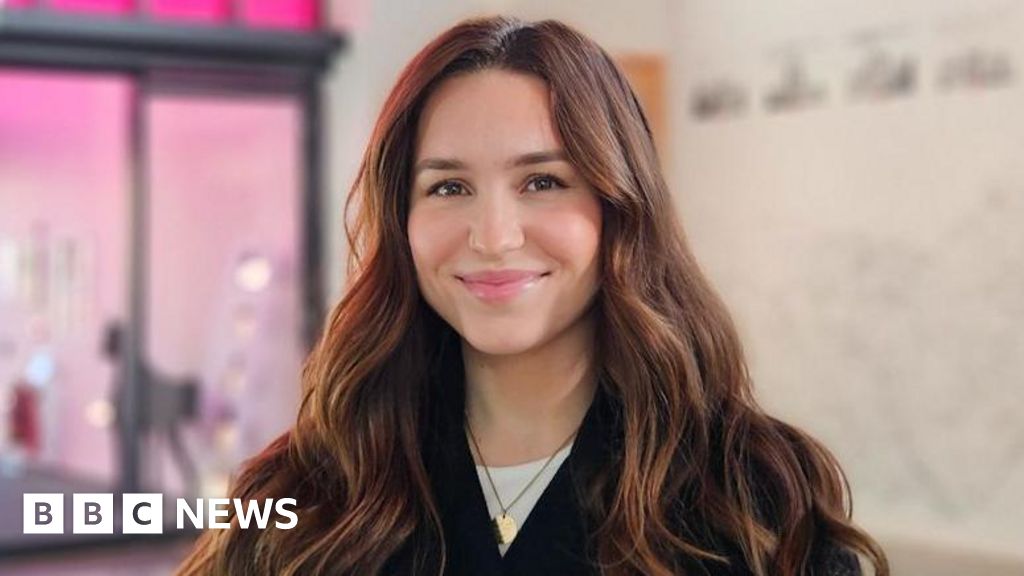
Dani Barnett, a resident of Guernsey, shared her deeply personal and challenging journey through surgical menopause. At just 40 years old, she was thrust into an overnight menopause following the removal of her ovaries, a "complete shock" that left her feeling utterly adrift. "I felt like I didn’t have anyone to talk to," she recounted, describing a period of profound confusion and distress as she struggled to understand what was happening to her own body. The symptoms were overwhelming: intense anxiety, pervasive overwhelm, and stress levels that soared beyond anything she had experienced before. She found herself prone to uncharacteristic "anger fits" and plagued by extreme brain fog.
"The brain fog was extreme," Barnett elaborated, explaining how it impacted her professional life. "I could carry a meeting without any problems, but then I’d be sat there, not knowing what the name of something was that I’ve known for years." This cognitive disruption was compounded by embarrassment, hot flushes, and escalating anxiety, creating a vicious cycle that left her emotionally exhausted. There were days, she admitted, filled with tears simply because she "couldn’t find her slippers," a stark illustration of how deeply the symptoms affected her daily functioning and sense of self.
Despite her evident suffering, Barnett’s attempts to seek medical help were met with dismissiveness. "Every time I went back to the doctor they said, ‘your levels are fine, you’re fine’," she recalled, her voice tinged with lingering frustration. "But I would sit there in tears and think ‘I’m not fine’ and I didn’t know why." This disconnect between her lived experience and the medical assessment left her feeling unheard and unsupported.
Driven by her own struggles, Barnett launched a business in Guernsey in September 2025 dedicated to providing support for women navigating menopause. Her motivation stems from a deep-seated care for others and a desire to empower women who are similarly struggling. "The more that we educate, the more that we talk about it, women aren’t going to fear it," she asserted, highlighting the pervasive fear of the unknown that often surrounds menopause. She views her venture as a vital lifeline for women who are unsure about their bodily changes. Barnett expressed particular concern over the "outrageous" number of women who are forced to leave their jobs due to menopausal symptoms and a lack of workplace support.
In Jersey, Trudi Roscouet echoed these sentiments, establishing her own business to raise awareness of women’s health and offer support after experiencing menopause at 51. She firmly believes that "Women’s health is not a priority for government," a sentiment that underscores the broader systemic issues. Roscouet emphasised the far-reaching impact of menopause, stating, "Whether it’s our children, partners, bosses, it can affect everybody and everything."
Roscouet is a vocal advocate for improved workplace support, pointing to brain fog, anxiety, and insomnia as the primary symptoms that hinder women’s professional lives. "The big thing we need to do is keep educating the corporates to support female employees in the workplace – and not just once in a lifetime," she urged, advocating for ongoing and integrated support systems.
The landscape of workplace support is slowly evolving, with the UK Employment Rights Act 2025 introducing a requirement for employers with over 250 employees to develop and implement menopause action plans by early 2027. These plans, which require evidence-based strategies such as flexible working, temperature control, and manager training, aim to mitigate workplace barriers for menopausal women. Voluntary reporting is set to commence in April 2026.
Jersey’s government took a step towards acknowledging the issue in May 2022 by signing the 51 Employer Pledge, committing to treating menopause with the same seriousness as other physical and mental health conditions and advocating for individualised support. However, Roscouet feels there is still a considerable distance to travel. "I just don’t think the government are listening about women’s health anymore," she stated, expressing her belief that menopause is perceived as a resolved issue by policymakers, and that women’s health in general remains undervalued.
In response to these concerns, Deputy Andy Howell, Assistant Minister for Health and Social Services in Jersey with responsibility for Women’s Health, stated that the government is "committed to strengthening services and support for women." He highlighted existing provisions such as dedicated clinics at Rayner Outpatients and group sessions at the Listening Lounge focused on coping strategies. Howell also confirmed the government’s commitment to developing a comprehensive Women’s Health Strategy and launching a dedicated Women’s Health Resource web page later this year. "We are building a stronger foundation for women’s health and as we move through 2026, our focus remains on delivering safe, supportive, and accessible services that meet the needs of women at every stage of life," Howell assured. The States of Guernsey was approached for comment.
On the island of Guernsey, Dr. Lucy Joslin, a leading expert in the field, heads a weekly menopause clinic at the Healthcare Group in St Martin’s. She expressed confidence in the available treatment options, stating, "I think we have some very good [treatment] options, and we can usually find something that will suit everyone in amongst all of those options." Dr. Joslin also pointed to additional support networks available, including Guernsey Mind, the Menopause Discussion Group, and the British Menopause Society, acknowledging an observed increase in public awareness of menopause symptoms.
The voices of women like Dani Barnett and Trudi Roscouet serve as a powerful testament to the urgent need for greater recognition, education, and tangible support for menopause in the Channel Islands. Their experiences underscore the profound impact this natural life transition can have on individuals and highlight the critical importance of a proactive and empathetic approach from both healthcare providers and governmental bodies to ensure women do not have to "suffer in silence."

 Ramos Leo
 atisusanti
 Nakalama John
 George Anjay