
 Roy Suryo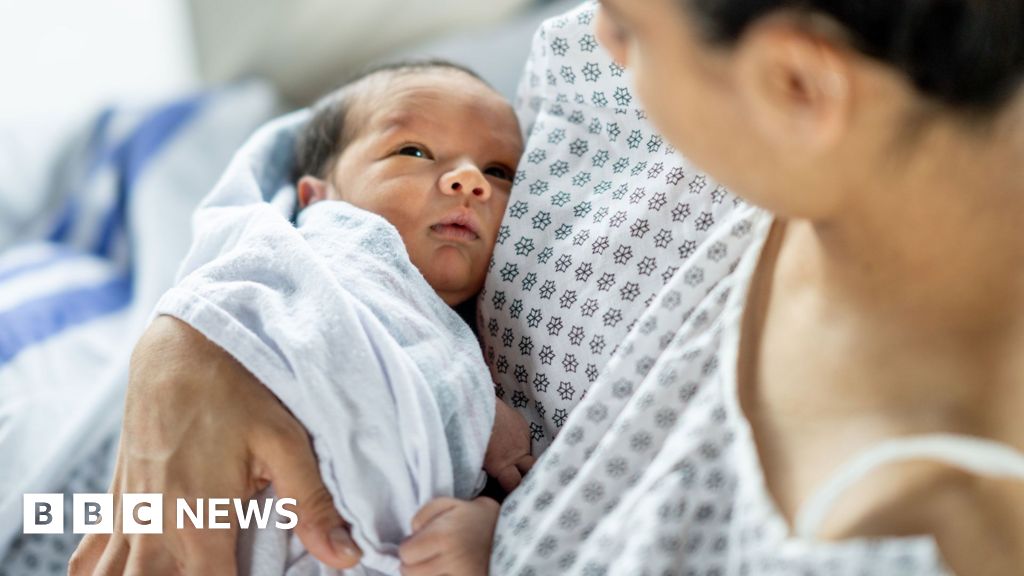
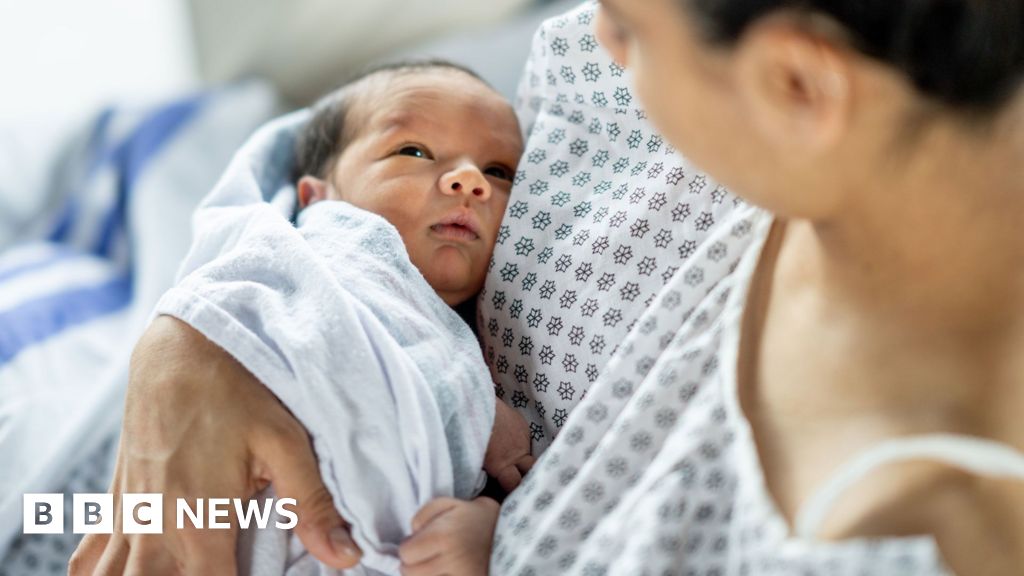
The child at the heart of this groundbreaking case, born in 2015 at Sheffield Teaching Hospitals NHS Foundation Trust, has been anonymised to protect her privacy. During a complex labour, critical indicators of fetal distress, specifically an abnormal heartbeat, were identified but tragically, these warning signs were not acted upon promptly or decisively. Consequently, the infant was born exhibiting clear signs of oxygen deprivation, necessitating immediate resuscitation. Subsequent diagnostic scans revealed the devastating extent of her injuries: a severe hypoxic brain injury. The Sheffield Teaching Hospitals NHS Foundation Trust has since admitted to failures in the care provided during the birth.
The long-term consequences for the young girl have been profound and life-altering. She now lives with severe cerebral palsy, rendering her unable to walk or speak. She also suffers from profound visual impairment and is afflicted by epilepsy, requiring round-the-clock care and constant supervision. In 2023, the High Court had awarded a substantial lump sum of £6,866,615, alongside an annual index-linked payment of £394,940, to address her extensive care needs and to compensate for lost earnings up to the age of 29, which was then considered her life expectancy. This initial award, while significant, was based on the previous legal framework.
Wednesday’s Supreme Court verdict, delivered by a majority of the judges, unequivocally overturns this limitation. The court’s reasoning is clear: compensation should reflect the full economic potential of an individual, regardless of their age at the time of injury. The judgment states that both the NHS Trust and the family’s legal team were in agreement that, had the injury not occurred, the girl would have enjoyed a normal life expectancy, achieved academic qualifications including GCSEs, pursued a career until the age of 68, and subsequently received a pension. This acknowledgement forms the bedrock of the new damages calculation. The precise amount of the additional damages, reflecting this extended period of lost earnings and pension, is yet to be determined but legal representatives for the family estimate it to be in excess of £800,000.
The mother of the child expressed her profound relief and joy at the ruling, stating in a heartfelt declaration, "I am elated that my little girl has changed the law and that this will help lots of other children who have been injured through no fault of their own." This sentiment underscores the broader impact of the judgment, which effectively harmonises the legal framework for injured children with that for adolescents and adults who have suffered life-shortening injuries. These individuals have long been able to claim damages for ‘lost years’ – the period of their potential working lives that would have been lost due to their injury. The Supreme Court found no justifiable legal basis for treating injured children’s claims any differently, thereby rectifying a perceived injustice.
The scale of the issue is considerable. Approximately 250 cases of birth-related brain injuries are reported to the NHS in England each year. This ruling is therefore expected to have a significant impact on the financial landscape of medical negligence claims within the NHS. In response to the ruling and the ongoing challenges of clinical negligence, Sir Geoffrey Clifton-Brown, a Conservative MP and the Chair of the Public Accounts Committee, has urged the NHS to prioritise and improve its approach to resolving cases through mediation. He articulated that "Very often… what people who have been wronged by the NHS want is a simple explanation and an apology, and their cases considered properly by the complaints procedure."
Sir Geoffrey highlighted the detrimental consequences of cases escalating to court. Such protracted legal battles, he noted, can endure for years, inflicting immense stress on families and incurring substantial legal costs for the NHS. These financial resources, he argued, would be far better allocated towards the provision of essential healthcare services. Furthermore, he stressed the imperative for the NHS to "seriously learn lessons" from these incidents to proactively prevent clinical negligence from occurring in the first place. Such negligence, he concluded, inflicts "devastation" not only on the child but also on their entire family. The Supreme Court’s decision represents a pivotal moment, affirming the principle that justice demands full and fair compensation for those whose lives have been irrevocably altered by medical errors, ensuring that future generations of injured children will receive the recognition and recompense they deserve for their lost potential. The judgment serves as a stark reminder of the importance of robust healthcare standards and the profound impact of medical negligence on individuals and the wider healthcare system.



 Ramos Leo
 atisusanti
 Nakalama John
 Nana Banana