
 Roy Suryo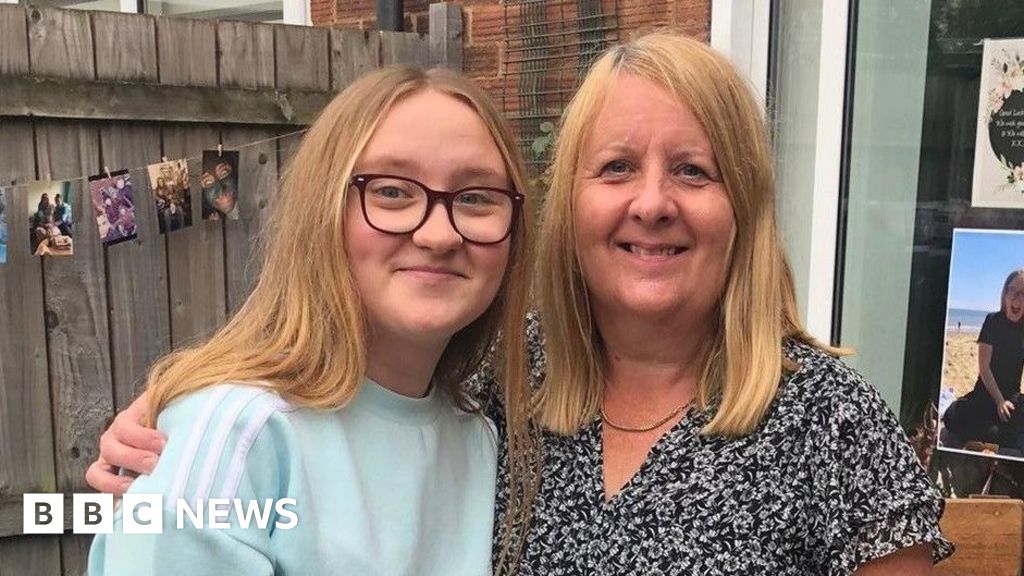
A critical shortage of British Sign Language (BSL) interpreters within the National Health Service (NHS) is leaving deaf patients feeling ignored, frustrated, and facing significant delays in receiving vital medical treatment. The issue, highlighted by personal accounts and supported by stark survey data, points to systemic failures in providing equitable healthcare access for the estimated 73,000 deaf BSL users in England.
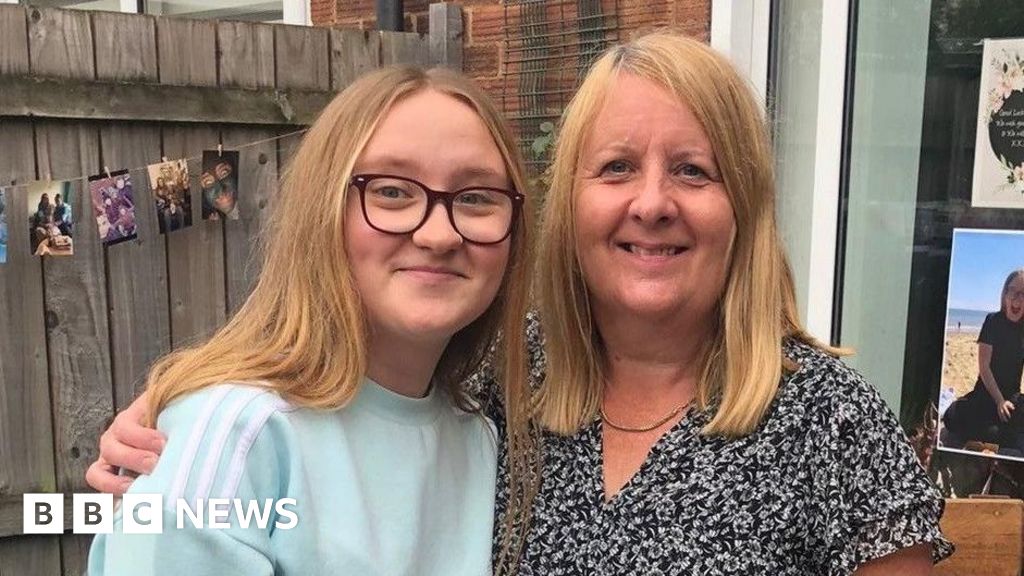
Millie Neadley, a 22-year-old from Hull, recounted a year-long ordeal waiting for surgery to correct a broken nose. Her treatment was repeatedly postponed due to the unavailability of a BSL interpreter, a situation that left her feeling "ignored" and at risk of missing crucial medical information. "They still carry on ringing, which is frustrating as I have to rely on other people to find out what they want – meaning I have no independence," Millie explained, detailing how NHS staff would call her on the telephone, a method she cannot effectively use due to her deafness. The situation culminated on the day of her scheduled surgery when the interpreter cancelled at the last minute, forcing her to rely on the basic signing skills of an available nurse. Her mother, Joanne Neadley, who is also deaf, expressed her dismay, stating, "It had been delayed, delayed, delayed and she just wanted it over with, because she couldn’t breathe. So to arrive at 7am and be told, ‘no interpreter’ it’s just not appropriate." While the nurse was "lovely," Joanne stressed that the situation was "not acceptable" and that they required a "proper BSL-qualified interpreter."
This lack of adequate communication support is not an isolated incident. A comprehensive survey conducted in 2025 by leading hearing loss charities RNID and SignHealth revealed the extent of the problem. Out of 1,114 respondents who were deaf or had hearing loss in England, only a mere 7% reported always having a professional interpreter present for their appointments. For those who specifically required a communication support professional, such as a BSL interpreter, a staggering 63% stated that one was rarely or never provided. An additional 28% reported that an interpreter was only sometimes available. The survey further indicated that deaf individuals often felt "disrespected" and "excluded," frequently resorting to relying on friends and family to convey essential medical information.
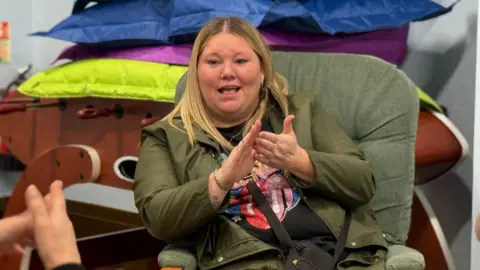
Rachel Duke, 38, a sixth-generation member of a profoundly deaf family from Hull, echoed these sentiments. She described the daily challenges of navigating healthcare services, from the impossibility of making a GP appointment via telephone at 8 am without assistance, to arriving at appointments only to find no interpreter had been arranged. This often meant her children, including her son who is also deaf, had to accompany her to help translate. On one particularly distressing occasion, she missed her son’s GP appointment because the clinic had called her name, but no visual notification was displayed, and she was unable to hear the announcement. The subsequent rescheduling resulted in further delays and frustration. "I don’t want to rely on hearing people. I want to do it myself. Equality, that’s what we need," Rachel asserted, adding, "I feel like we’re at the bottom. We’re never understood."
The shortage of qualified BSL interpreters is a significant barrier to effective communication. Heather Peachey, a Level 6 BSL interpreter based in Barton-upon-Humber, highlighted the scarcity of qualified professionals, noting she was the only registered interpreter in North or North-East Lincolnshire. She explained the arduous and expensive journey to becoming a qualified interpreter. "I had to stop part way because I ran out of money. I eventually became registered about 14 years ago after my dad left me the money to complete the training," she shared. The process, which involves rigorous training and examinations, is largely self-funded, with universities offering limited BSL units. Signature, the BSL exam board, estimates that the cost to become a Level 6 interpreter can reach approximately £6,000. Peachey further elaborated that it typically takes between six to seven years for an individual with no prior signing experience to become competent and qualified.
According to the National Register of Communication Professionals working with Deaf and Deafblind People (NRCPD), only experienced Level 6 interpreters are permitted to attend medical appointments and surgeries. The NRCPD’s register shows a stark reality: only five qualified interpreters are listed within a 25-mile radius of Hull. Sarah Regan, the residential manager at the Hull Deaf Centre, lamented that these qualified individuals are "few and far between." She emphasized the need for greater support and encouragement for those pursuing BSL interpretation as a career. "There’s just not enough training. If you went into any school in Hull and asked them what they want to do, I doubt you’d get one coming back saying they want to be a BSL interpreter," Regan stated. "The people who are learning sign language, paying out of their own pockets, should be applauded and encouraged financially with some money from the government."
RNID, a prominent organization advocating for deaf individuals, has labelled equal access to healthcare as "a basic human right." Their research has "exposed widespread failings affecting people who are deaf when accessing NHS services." In response to the issue, NHS England and the Department of Health and Social Care referred inquiries to the NHS Humber and North Yorkshire Integrated Care Board (ICB), which is responsible for addressing health inequalities in the region.
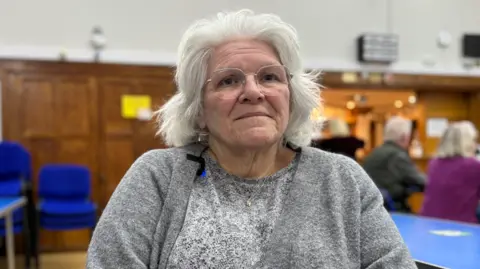
A spokesperson for the ICB acknowledged the critical need for improved interpreter provision. They confirmed that the board has been collaborating closely with the Hull Deaf Centre to identify and address the barriers faced by deaf patients. New training tools, including films produced with deaf individuals, have been developed for NHS staff. "The small number of fully qualified BSL interpreters in the region, and the seven-year training route, is a long-term challenge that needs national attention," the ICB spokesperson stated. "We are working with NHS partners to make real and urgent improvements. This includes looking at the deaf patient journey from first contact through to complaints, making better use of BSL-enabled technology, improving how interpreters are booked, increasing deaf awareness training for staff and making sure services meet the Accessible Information Standard." These efforts, while noted, underscore the depth of the problem and the urgent need for sustained national action to ensure deaf patients receive the equitable and accessible healthcare they deserve.

 Ramos Leo
 Nakalama John
 atisusanti
 George Anjay