Ramos Leo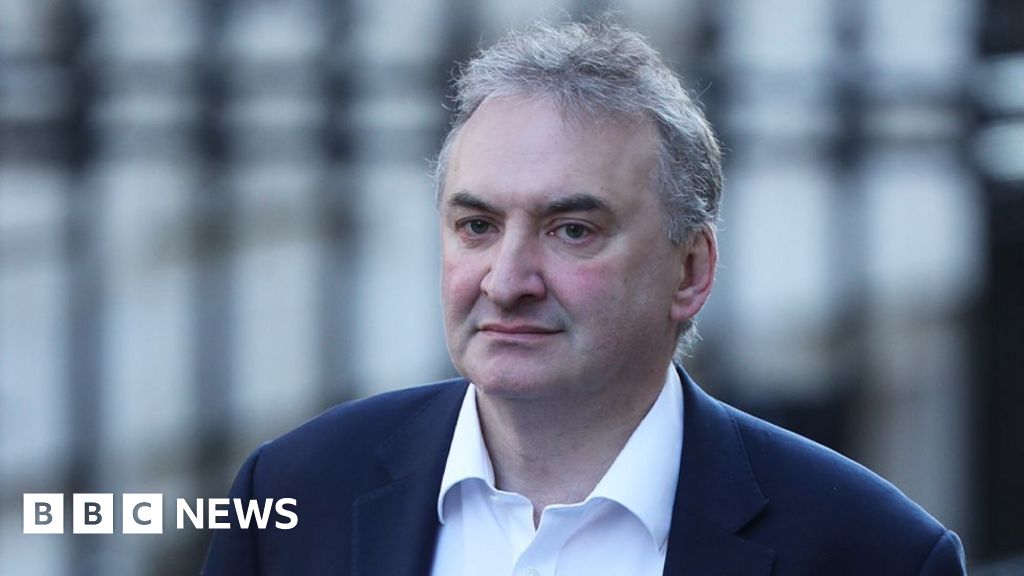
Sir Chris Wormald, who holds the distinguished position of Head of the Civil Service and Cabinet Secretary, is currently understood to be in negotiations regarding an exit package from his role. He was appointed to this pivotal position by the Prime Minister just over a year ago, in December 2023, tasked with spearheading a significant reform agenda for the British state. His impending departure, barely a year into his tenure, positions him to become the shortest-serving Cabinet Secretary in the history of the post, a stark indicator of the turbulent political climate and the fraught relationship between the current government and its most senior civil servant.
The government’s preferred candidate to succeed Sir Chris is Dame Antonia Romeo, the highly respected Permanent Secretary at the Home Office. Dame Antonia was previously on the four-person shortlist for the Cabinet Secretary role when Sir Chris was initially appointed, suggesting her strong qualifications and consistent high regard within Whitehall. Her potential appointment would mark a historic moment, as she would become the first female head of the Civil Service, a fact that has been welcomed by some critics of the Downing Street operation, including Culture Secretary Lisa Nandy, who have previously called for greater gender diversity and an end to a perceived "boys’ club" culture in senior governmental roles.
In response to parliamentary scrutiny, Cabinet Office minister Chris Ward confirmed that the process of releasing the sensitive documents concerning Lord Mandelson’s appointment was already underway. Ward assured the House of Commons that this process would remain "unaffected by other matters," implicitly addressing concerns about Sir Chris Wormald’s departure impacting the transparency of the release. He further committed to publishing the papers "as soon as possible" after MPs reconvene from the parliamentary recess on 23 February, underscoring the government’s obligation to parliamentary demands.
However, Kemi Badenoch’s letter to Baroness Stuart, the First Civil Service Commissioner, goes beyond merely ensuring the timely release of documents. Badenoch explicitly argued that since Sir Chris Wormald is directly overseeing the government’s process of making public the documents demanded by Parliament concerning Lord Mandelson’s appointment, his removal should be deferred until this crucial task is fully completed. This stance implies a concern that his premature departure could either hinder the process or cast a shadow of doubt over the integrity of the information eventually released.
Badenoch’s letter was not only a call for process but also a sharp political critique. She controversially described Sir Chris Wormald as "the latest person to be thrown under a bus by this prime minister," a scathing indictment of the current Conservative leadership’s handling of senior officials. This public rebuke from a cabinet colleague underscores the deep internal fractures within the government. Furthermore, Badenoch advocated for a "full new process" to select Sir Chris’s replacement, signaling her opposition to what she perceives as an attempt to usher in a pre-selected successor without rigorous scrutiny. This call for a transparent and open selection process indirectly questions the impartiality or appropriateness of the government’s favoured candidate.
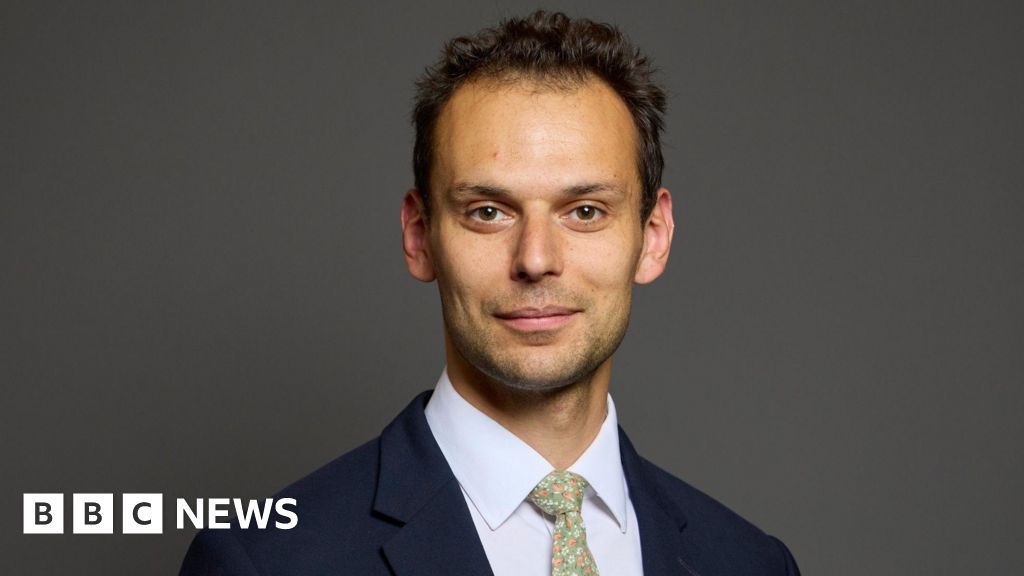
The First Civil Service Commissioner, Baroness Stuart, to whom Badenoch addressed her letter, holds a crucial independent role in overseeing appointments to the Civil Service, ensuring they are made on merit and free from political interference. Baroness Stuart, a former Labour MP and prominent Brexit campaigner, now finds herself at the center of a high-stakes political dispute, tasked with navigating the complexities of civil service impartiality amidst intense political pressure.
Adding further complexity to the succession debate, Badenoch’s letter referenced a recent interview given to Channel 4 News by Lord McDonald, the former head of the Foreign Office. In his interview on Wednesday evening, Lord McDonald voiced significant reservations about Dame Antonia Romeo’s suitability for the top civil service role, stating that if she were indeed the favoured candidate, "in my view, the due diligence has some way still to go." This comment was widely interpreted within government circles as a direct reference to an internal investigation Dame Antonia faced in 2017. The investigation concerned allegations about her spending during her tenure as the government’s consul-general in New York, a period when Lord McDonald himself was her direct superior at the Foreign Office.
The Cabinet Office was quick to issue a robust defense of Dame Antonia Romeo in response to Lord McDonald’s remarks. A spokesperson stated unequivocally that "there is absolutely no basis for this criticism." They went on to laud Dame Antonia as "a highly respected permanent secretary with a 25-year record of excellent public service." The spokesperson further clarified that the 2017 allegations originated from "a single grievance made some time ago by a former employee" and that "all the allegations were dismissed on the basis there was no case to answer," aiming to quell any lingering doubts about her professional conduct and suitability for the highest civil service office.

The broader context of these developments is the ongoing political fallout from the "Mandelson scandal" and other controversial appointments. Sir Keir Starmer, as Leader of the Opposition, has repeatedly pledged to significantly tighten up vetting procedures for senior roles should he become Prime Minister. These promises come in the wake of the highly scrutinized appointments of Lord Mandelson as US ambassador and Lord Doyle as a peer, both of which drew criticism due to their alleged links to convicted sex offenders. The revelations surrounding these appointments have fueled public concern over standards in public life and the rigor of due diligence processes for individuals entering sensitive government positions. The fact that Sir Chris Wormald, despite his brief tenure, had ultimate responsibility for the due diligence checks carried out before Lord Mandelson’s appointment – even if he took up the role only days before the formal announcement – adds another layer of scrutiny to his departure.
Beyond the specific individuals, Sir Chris Wormald’s expected exit is part of a wider pattern of senior departures from the government operation. In the past week alone, Sir Keir Starmer’s chief of staff, Morgan McSweeney, and his director of communications, Tim Allan, have also left their posts. This broader shake-up is widely perceived as the Prime Minister’s attempt to "reset" his team and stabilize his administration following the significant political damage inflicted by the Mandelson scandal and the persistent questions it has raised about integrity and accountability at the heart of government. Sir Chris’s appointment just over a year ago was heralded by the PM as a move to bring about "the complete re-wiring of the British state to deliver bold and ambitious long-term reform." However, as a career civil servant, questions were raised from the outset about his capacity to truly reform the very institution he represented, and reports of Downing Street’s dissatisfaction with his performance have been circulating for months, culminating in his current precarious position.


 George Anjay
 Roy Suryo
 atisusanti
 Nakalama John