George Anjay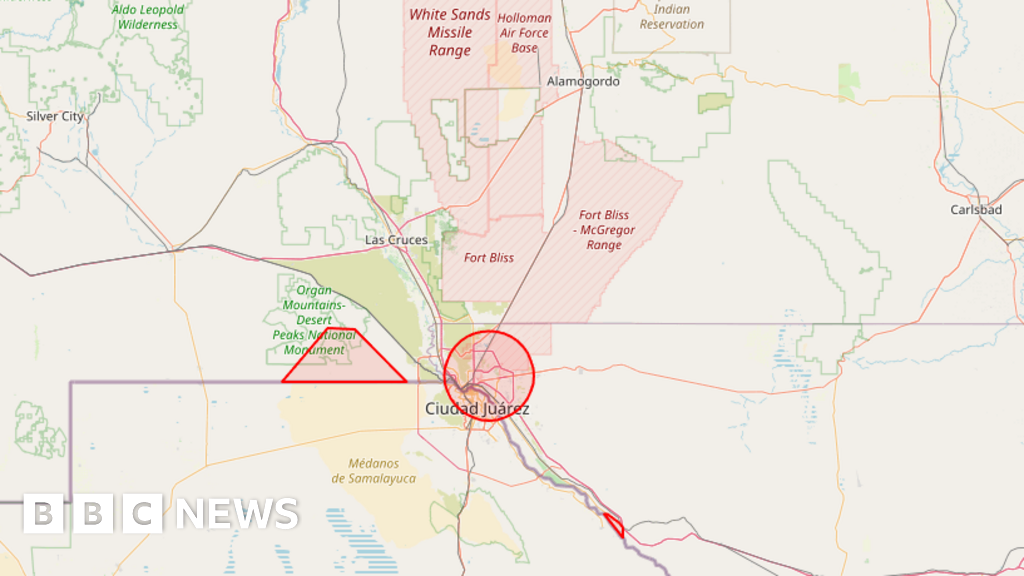
The skies above El Paso, Texas, a bustling border city with a significant strategic location, have reopened following a swift and unexpected 10-day closure by the Federal Aviation Administration (FAA). This abrupt halt to air traffic, initially scheduled to last until February 20th, sent ripples of confusion and concern through the community and beyond. The reason cited for the drastic measure was a "drone incursion," a term that immediately sparked speculation and unease given the region’s sensitive border status and proximity to key military installations.
The US Department of Defense confirmed it "took action" to neutralize the perceived threat posed by the drones, thereby de-escalating the situation and paving the way for the immediate lifting of the airspace restriction. Transportation Secretary Sean Duffy took to X, formerly Twitter, to reassure the public, stating, "The threat has been neutralized, and there is no danger to commercial travel in the region." This announcement brought immense relief to thousands of travelers whose plans were abruptly disrupted and to local businesses reliant on air cargo and passenger traffic.
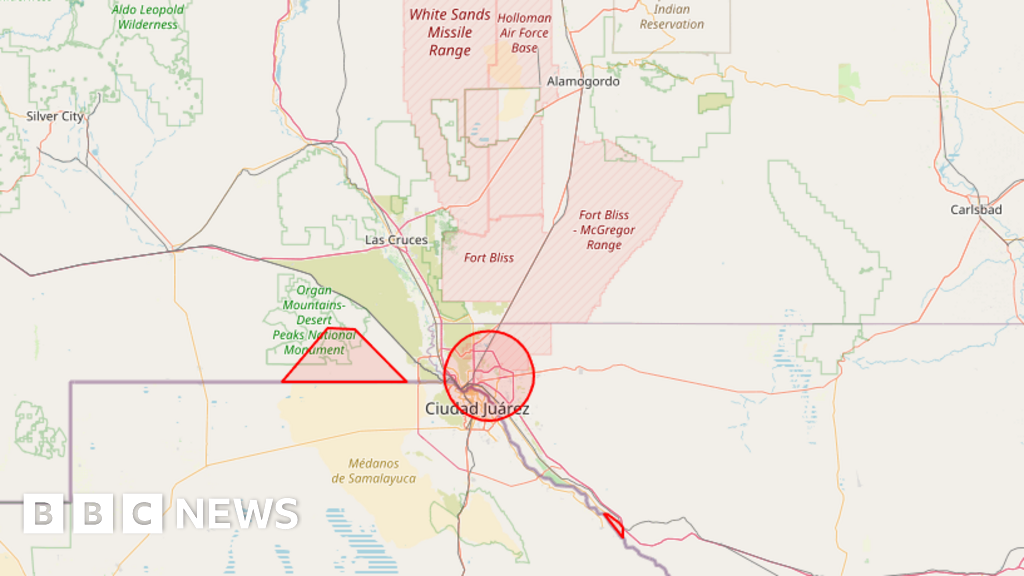
The suddenness of the FAA’s order on Tuesday night left many local authorities and residents blindsided. City Council member Chris Canales, representing a district on El Paso’s southwestern edge, voiced his bewilderment, telling the BBC that local authorities received no prior notification or explanation for the closure. This lack of transparency amplified anxieties, especially considering El Paso’s unique geographical position. The city directly abuts Ciudad Juarez, Mexico, a major urban center across the Rio Grande, creating a complex binational metropolitan area. To the north, El Paso is flanked by Fort Bliss, a sprawling US Army post renowned for its extensive training facilities, and the White Sands Missile Range, the nation’s largest overland testing ground for advanced weaponry and missile systems.
The FAA’s website indicates a significant reduction in airspace closures since 2018, with average durations dropping from over four hours per incident to just over two. The 10-day closure over El Paso, therefore, represented an anomaly of considerable magnitude. The restricted zone encompassed a 10-mile radius around El Paso International Airport, extending into parts of southern New Mexico, west of the town of San Teresa. This broad exclusion zone underscored the seriousness with which the authorities were treating the reported drone activity.
Council member Canales elaborated on the community’s reaction, noting that "There are some folks who are panicking a bit because of how highly unusual this is, and if you look at El Paso on the map you can see what unique geographical position it is." This sentiment reflects a broader understanding of the region’s strategic importance and the potential implications of any perceived security breaches. The close proximity to Mexico, coupled with the presence of major military assets, makes the airspace a subject of heightened vigilance.
El Paso International Airport, in a statement shared via the City of El Paso’s Facebook page, confirmed that all flights, "including commercial, cargo and general aviation," had been grounded. The airport advised travelers to "contact their airlines to get most up-to-date flight status information," a message that became a constant refrain for stranded passengers. The economic impact of such a prolonged closure, even if ultimately shorter than initially feared, is substantial. Airlines faced significant operational disruptions and financial losses due to flight cancellations and diversions. Local businesses, including hotels, restaurants, and transportation services, also experienced a downturn in activity.
The nature of the "drone incursion" remains somewhat opaque, with official statements offering limited details. The Department of Defense’s assertion that it "took action" suggests a sophisticated response, potentially involving electronic countermeasures or other means to disable or deter the unauthorized aerial vehicles. The swift neutralization of the threat, as reported, indicates a proactive and effective intervention by military and security forces. However, the lack of publicly available information on the origin or intent of the drones leaves room for speculation and raises questions about the evolving landscape of aerial security threats.
The incident also highlights the increasing prevalence of drone technology and its potential misuse. Drones, once primarily hobbyist devices, are now employed for a wide range of purposes, including commercial delivery, surveillance, and even illicit activities. Their ability to operate stealthily and their relatively low cost make them a challenging security concern for both civilian and military authorities. The El Paso incident serves as a stark reminder of the need for robust strategies to monitor and control airspace in sensitive areas.
The FAA’s decision to close airspace is typically reserved for situations posing an imminent safety risk, such as volcanic ash clouds, severe weather events, or, as in this case, a direct threat to aviation. The scale and duration of the El Paso closure underscore the perceived severity of the drone activity. While the immediate threat has been neutralized, the event is likely to prompt a review of existing protocols and surveillance capabilities along the US-Mexico border and in areas with significant military installations.
The international dimension of the incident, given El Paso’s border location, also warrants attention. Cooperation and information sharing between US and Mexican authorities are crucial for effectively managing cross-border airspace security. Any unauthorized drone activity originating from or transiting through Mexican airspace could necessitate coordinated responses. The exact nature of the "incursion" and any potential involvement or awareness from Mexican authorities remains a subject of interest.
For residents of El Paso, the reopening of the airspace signifies a return to normalcy, but the memory of the unexpected shutdown will likely linger. The incident has underscored the vulnerability of civilian air traffic to unforeseen threats and the importance of robust communication and coordination between federal agencies, local governments, and the public during times of crisis. The swift resolution, while welcome, also leaves a desire for greater transparency regarding the specific circumstances that led to such an extraordinary measure. As drone technology continues to advance, events like the El Paso airspace closure will undoubtedly shape future security policies and operational strategies, emphasizing the dynamic and evolving nature of aerial security challenges in the 21st century.




 Ramos Leo
 Nakalama John

 atisusanti