Roy Suryo
A landmark initiative set to be implemented across England by 2027 will see the full cost of travel for treatment covered for children and young people diagnosed with cancer, offering a significant financial reprieve to struggling families. This new scheme, backed by a substantial annual investment of £10 million, extends support up to the age of 24, acknowledging the potentially extensive and costly journey many young patients undertake throughout their treatment. The decision stems from the reality that children with cancer are typically referred to one of 13 highly specialized centres dispersed across England, often necessitating long-distance travel.
The financial burden placed upon families during such a critical time has been a long-standing concern. Research indicates that, on average, families incur approximately £250 per month solely to cover the expenses associated with hospital journeys. This figure, while substantial, often fails to capture the full extent of the financial strain, with charities reporting instances where families have been forced into debt to fund essential treatment travel. The emotional and physical toll of a cancer diagnosis is immeasurable, and the added stress of financial insecurity exacerbates an already challenging situation for parents and caregivers.
Health Secretary Wes Streeting articulated the core philosophy behind this crucial policy shift, stating, "When a child is diagnosed with cancer, their family’s focus should be on helping them recover and getting them well, not on whether they can afford the petrol or bus fare to get to their next appointment." He emphasized the profound impact this seemingly simple change will have, adding, "This small change will make the world of difference to parents." This sentiment underscores the recognition that removing financial barriers allows families to dedicate their energy and resources to what truly matters: their child’s health and well-being.

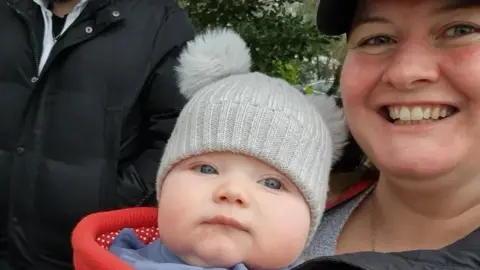
The challenges faced by families are vividly illustrated by the experience of the Wilding family. Their four-month-old son, Theo, was diagnosed with an aggressive infant blood cancer, necessitating immediate and intensive treatment. While Emma Wilding remained at the hospital with Theo for seven weeks, her husband faced the arduous and frequent 90-minute return journeys from their home to Alder Hey Hospital. "It’s really expensive," Emma shared, highlighting the significant financial strain. "Finances is the last thing you want to think about when you are going through a tough time." Her heartfelt words reveal the immense pressure families are under, where even basic necessities become a concern amidst the chaos of a cancer diagnosis. Emma expressed her belief that the new policy will provide a vital sense of support, likening it to "having an arm around you" during their ordeal.
This pivotal funding announcement is integrated into the government’s comprehensive cancer strategy, which is slated for release. The strategy aims to address a wide spectrum of challenges within cancer care, outlining a series of measures designed to significantly reduce waiting times for diagnosis and treatment, improve the rates of early detection, and enhance cancer prevention efforts. Ministers have characterized this initiative as a "once in a generation opportunity" to elevate cancer care standards across the nation, particularly in light of survival rates that currently lag behind those in many other affluent countries. The commitment to improving outcomes for cancer patients, especially children, is a key driver behind these ambitious plans.
The provision of travel support for families has been a long-standing demand from cancer charities, who have witnessed firsthand the devastating consequences of financial hardship. They have consistently highlighted how families have accumulated debt and been forced to cut back on essential expenditures, including food, due to the prohibitive cost of travel for treatment. This burden is further compounded by the difficult decisions many parents face, often having to relinquish their jobs or significantly reduce their working hours to provide the necessary care for their seriously ill children. The introduction of this scheme directly addresses these critical issues, offering a lifeline to families who would otherwise face insurmountable financial obstacles.
Previously, financial assistance for travel costs in England has been heavily reliant on means-testing, with support only available to individuals receiving certain benefits. Similar systems are in place in Wales and Northern Ireland. While Scotland offers a more generous, though not universally applied, scheme, the new English policy represents a significant expansion of support. Rachel Kirby-Rider, a representative from Young Lives vs Cancer, a prominent charity, hailed the announcement as "a huge step forward," noting that her organization has been campaigning for this specific measure for nearly a decade. This long advocacy period underscores the urgency and importance of the implemented policy.

Beyond the crucial travel support fund, the government’s cancer strategy also pledges to enhance play facilities within hospitals and increase the availability of psychological support for young patients and their families. These complementary measures recognize that the impact of cancer extends beyond physical treatment and encompasses the emotional and social well-being of children. Jules Worrall of the Teenage Cancer Trust expressed her optimism that these comprehensive plans will foster "real and lasting change for young people with cancer." The integrated approach of the strategy aims to create a more holistic and supportive environment for all those affected by the disease.
The financial implications of childhood cancer are multifaceted. Beyond direct treatment costs, families often face additional expenses related to accommodation if they need to stay near treatment centres, specialized dietary needs, and the potential loss of income due to parental absence from work. The new travel fund, while not covering all these ancillary costs, represents a significant and targeted intervention that directly addresses a primary source of financial strain. The fact that the support extends to young adults up to the age of 24 acknowledges that cancer treatment can often continue into early adulthood, and the financial challenges do not necessarily cease with a child’s eighteenth birthday.
The decision to allocate £10 million annually to this initiative signals a strong governmental commitment to improving the lives of children with cancer and their families. This investment is not merely a financial allocation; it is an investment in the well-being, resilience, and future of young individuals facing one of life’s greatest challenges. By removing the burden of travel costs, the government is enabling families to focus their energy and resources on recovery, rehabilitation, and maintaining a sense of normalcy amidst the upheaval of cancer treatment. The long-term benefits of such support are immeasurable, potentially leading to improved treatment adherence, reduced parental stress, and ultimately, better health outcomes for children.
The implementation of this scheme by 2027 allows for a phased rollout, ensuring that the necessary administrative structures and protocols are in place to manage the fund effectively. This timeframe also allows for collaboration with healthcare providers and charities to ensure the scheme is accessible and responsive to the needs of families. The success of the initiative will likely depend on clear communication, streamlined application processes, and a commitment to ongoing evaluation and adaptation. The hope is that this policy will set a precedent for future healthcare initiatives, prioritizing the financial well-being of vulnerable patient groups.
The broader context of the cancer strategy highlights a renewed focus on pediatric oncology within national health policy. The inclusion of enhanced play facilities and psychological support indicates a recognition of the holistic needs of young cancer patients, acknowledging that their journey involves more than just medical interventions. This comprehensive approach is crucial for fostering a positive healing environment and supporting the emotional development of children undergoing treatment. The collaboration between government bodies, healthcare professionals, and charitable organizations will be paramount in realizing the full potential of these initiatives and ensuring that every child with cancer receives the support they deserve.
The impact of this policy will be felt across England, offering a tangible improvement in the lives of thousands of families each year. The recognition that travel costs are a significant barrier to accessing optimal cancer care for children is a crucial step forward. By addressing this issue head-on, the government is demonstrating a commitment to equitable access to healthcare and a profound understanding of the challenges faced by families navigating the complexities of childhood cancer. The legacy of this initiative will be measured not only in the financial relief it provides but also in the hope and peace of mind it offers to those who need it most.



 George Anjay
 Ramos Leo
 Nakalama John

 atisusanti