Ramos Leo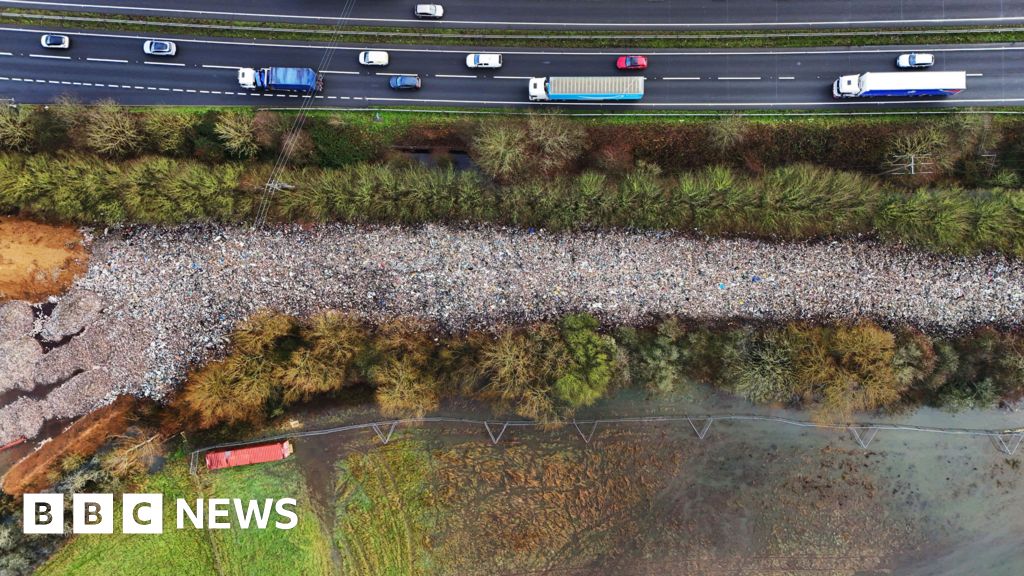
Local residents and environmental campaigners are demanding transparency regarding a critical fire risk assessment for the Kidlington illegal waste site in Oxfordshire, a location described as one of England’s largest illegal waste dumps. This call for disclosure comes after the Environment Agency (EA) made an "exceptional" decision to clear the 21,000-tonne site at a cost exceeding £9 million, citing rapidly escalating fire risks. However, the comprehensive report underpinning this costly intervention has been withheld from the public, sparking widespread concern and frustration among communities affected by similar untreated waste sites across the country.
The controversy centers on the refusal by Oxfordshire Fire and Rescue Service (OFRS) to release the detailed fire risk assessment following a Freedom of Information (FOI) request lodged by the BBC. OFRS stated that publishing the report, which contains highly sensitive operational information, could jeopardise public safety and hinder ongoing investigations. This information reportedly includes the precise locations of thermal hotspots, an in-depth analysis of potential fire ignition points and escalation scenarios, and specific tactical considerations for firefighting operations. The service argued that disclosure would "more likely than not, adversely affect public safety" and impede the ability of the council and OFRS to conduct effective regulatory investigations and enforcement actions. Furthermore, OFRS declined to release a redacted version, claiming it would leave "little or no meaningful information while still posing a residual risk of harm."
This refusal has drawn sharp criticism from political figures and environmental advocates. Baroness Sheehan, who chairs the House of Lords’ environment committee, expressed her "extreme disappointment" at the decision. She is set to raise the issue in a Lords debate, highlighting the public’s right to information concerning a site that poses significant threats to local health and environment. Baroness Sheehan emphasised that local residents are already acutely aware of the potential public health, environmental, and fire risks associated with the dump, making the justification for withholding the report difficult to comprehend. The lack of transparency, she suggested, undermines public trust and prevents communities from understanding the full scope of the dangers they face.
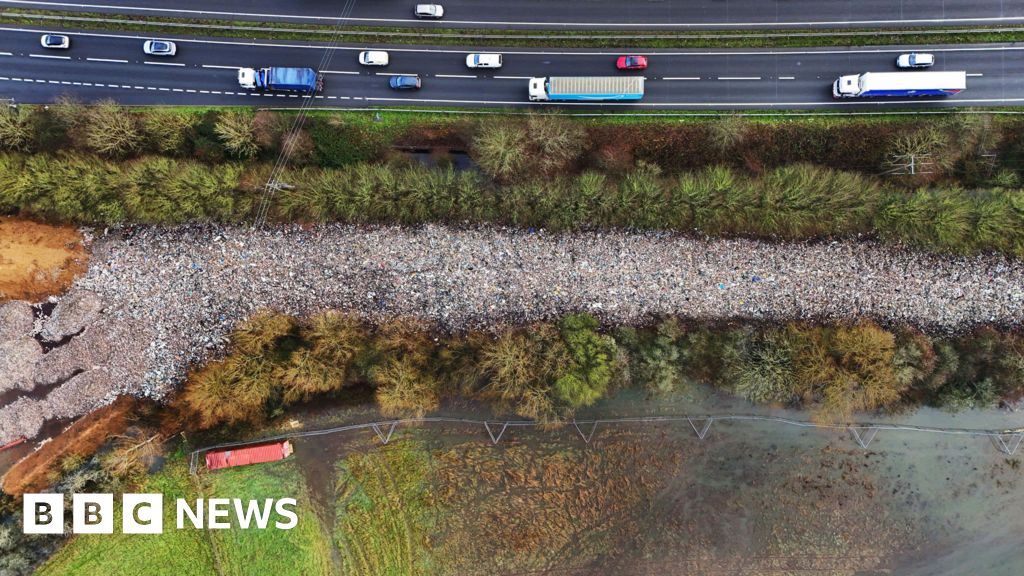
The Environment Agency, while not directly responsible for the FOI refusal, corroborated the gravity of the assessment’s findings. A spokesperson for the EA confirmed that the risk assessment had "highlighted the rapidly escalating fire risks at the Kidlington site with the potential to close the A34 major highway and impact key electrical supplies." These critical infrastructure threats were presented as the primary rationale behind the agency’s "exceptional decision" to undertake the extensive clear-up operation, moving away from their usual policy of requiring perpetrators to bear the clean-up costs. The scale of the fly-tipping at Kidlington saw a field buried under a substantial "mountain of waste," as described in visual reports, transforming agricultural land near the A34 dual carriageway and the River Cherwell into an environmental hazard spanning approximately 150 metres (490 feet) in length. Four individuals have reportedly been arrested in connection with the ongoing investigation into the illegal dumping at the Kidlington site.
The decision to clear the Kidlington site, while welcomed by local residents, has simultaneously amplified concerns among communities living near other large, untreated illegal waste sites. These communities question why their own hazardous dumps, some of which experience regular fires and pose similar environmental risks, are not receiving the same urgent attention and financial commitment from the Environment Agency. This perceived disparity in action has led to accusations of inconsistency and a lack of equitable enforcement.
One such vocal critic is Charlie Coats, chairman of Highnam Parish Council, who has been tirelessly campaigning for the EA to address a massive illegal waste site in Over, Gloucestershire. This particular dump, containing thousands of tonnes of waste, is situated perilously close to a busy main road and abuts a popular countryside park and farm shop, making it a constant source of public concern. Fires are a regular occurrence at the Over site, posing immediate risks to public health and safety, as well as ecological damage. Coats expressed profound frustration, stating that despite the visible action at the Oxfordshire site, his council has "still not received anything other than a cursory acknowledgement" of its formal complaint to the EA. He accused the agency of "continually and blatantly" ignoring the interests of the local community and reiterated the call for the Kidlington fire risk assessment to be made public, believing it could set a precedent or at least inform strategies for other affected areas. Gloucestershire Fire and Rescue Service confirmed that the Over site is covered by a generic risk assessment for waste fire incidents, and that local Gloucester fire stations are "fully aware of this site due to multiple incidents" and have been providing information to the Environment Agency where possible.
Another significant illegal waste site attracting criticism is located in Bickershaw, Wigan. This colossal dump, estimated to hold 25,000 tonnes of illegal waste, is partially owned by the King’s Duchy of Lancaster estate and lies alarmingly close to a primary school. The presence of such a large quantity of waste near a sensitive location like a school raises serious concerns about air quality, potential contamination, and fire hazards. Greater Manchester Fire and Rescue Service (GMFRS) confirmed it is actively monitoring the Bickershaw site. While GMFRS noted that the current fire risk is low due to recent heavy rainfall, they issued a critical warning: removing the waste could inadvertently expose any existing slow-burning, deep-seated fires to open air, potentially risking greater combustion and a more severe blaze. The Environment Agency reiterated its commitment to enforcement, stating it was "doing everything within our power to ensure that the perpetrators pay the price to clean up the site, rather than taxpayers."
The broader issue highlights the significant challenges faced by authorities in tackling illegal waste dumping, a persistent problem across the UK. These "supersized" dumps not only represent a severe environmental blight, polluting land and water, but also pose tangible risks of large-scale fires, which can release toxic fumes, disrupt infrastructure, and strain emergency services. The financial burden of clean-up operations, often falling to the taxpayer when perpetrators cannot be identified or held accountable, runs into millions of pounds for each major site. The ongoing debate surrounding the Kidlington fire risk report underscores a fundamental tension between the public’s right to information, especially concerning immediate threats to safety and environment, and the operational security needs cited by emergency services. Without transparency, campaigners argue, public trust erodes, and affected communities are left in the dark, unable to fully understand the risks they face or hold authorities accountable for timely and consistent action.




 George Anjay
 Roy Suryo
 atisusanti
 Nakalama John