Nana Banana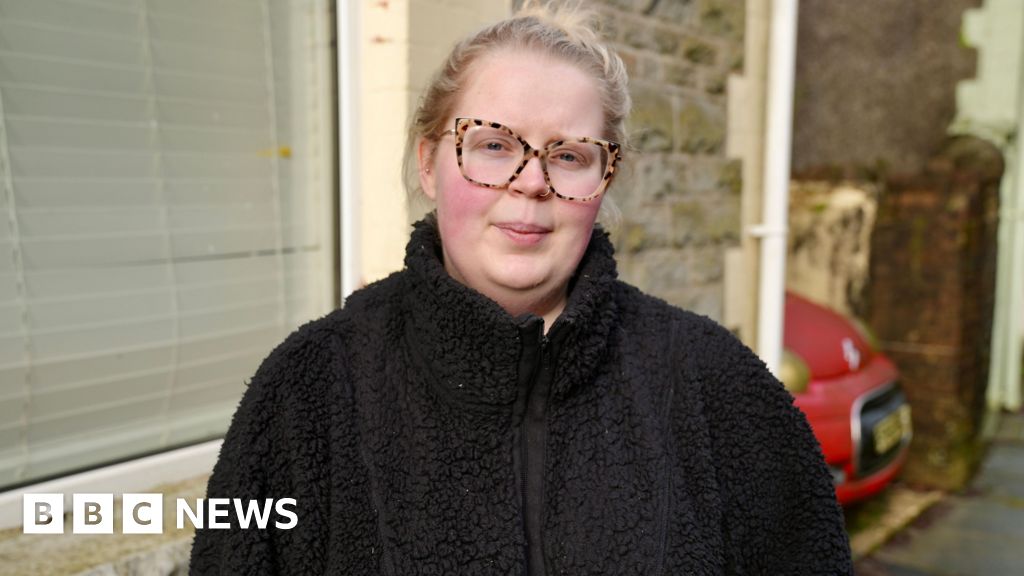
Residents on Clydach Terrace in Ynysybwl, Rhondda Cynon Taf, are facing a terrifying reality as their homes, repeatedly ravaged by severe flooding, may soon be acquired and demolished by the local council. This drastic measure, driven by the escalating threat of climate change, represents a profound and difficult decision for both the community and the authorities. The fate of 16 properties, situated along the treacherous Nant Clydach stream, hangs in the balance as Rhondda Cynon Taf council officials consider a £2.57m proposal to buy out and subsequently flatten these vulnerable residences, acknowledging the profound and irreversible impact of environmental shifts on their community.
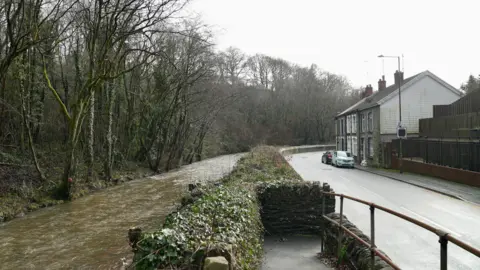
Clydach Terrace holds a unique and perilous position, directly abutting the Nant Clydach stream, a tributary known for its sudden and destructive surges. The street has endured a relentless barrage of floodwaters, most notably during the devastating Storms Dennis and Bert. These events saw the area transformed into a torrent, with properties extensively damaged and lives put at risk. The scars of these past floods remain vivid, etched into the memory of every resident, and the constant threat casts a long shadow over daily life.
For Paige Didcote, a 27-year-old ambulance service worker who lives on the street, the anxiety is "through the roof." Her sense of unease is a constant companion, exacerbated by every drop of rain and every weather forecast. The simple act of leaving her dogs at home during the day becomes a source of profound dread. "If there is a flood warning and our dogs are in the house it terrifies us because we both travel over an hour to and from work," she explained, highlighting the logistical and emotional strain of managing a life under perpetual threat. This fear extends beyond her own household, resonating with the broader community, where "other people in the street, they have kids, grandkids, so it’s a lot more difficult for them." The psychological toll of living on Clydach Terrace is immense, marked by sleepless nights, constant vigilance, and the gnawing uncertainty of when the next deluge will strike.
The Rhondda Cynon Taf council’s recommendation to acquire properties 1-16 on Clydach Terrace, at an estimated cost of £2.57m, underscores the severity of the situation. This figure is comprehensive, designed to cover not only the purchase price of the homes but also incidental costs, relocation assistance, and legal fees, aiming to provide a fair transition for those uprooted. Notably, numbers 6a and 6b Clydach Terrace have been excluded from the proposal due to their elevated position, which places them at a significantly lower risk of flooding. This selective approach highlights the precise nature of the flood risk, concentrated squarely on the properties closest to the waterway. The council’s explicit mention of climate change as a supporting factor for this recommendation signifies a growing recognition that traditional flood defence measures are no longer sufficient in the face of increasingly extreme weather patterns.
Indeed, the environment body, Natural Resources Wales (NRW), has already deemed building a raised flood defence wall along the Nant Clydach as "not economically viable." This crucial assessment confirms that conventional engineering solutions are either too costly, too complex, or ultimately ineffective against the sheer force and volume of water that the stream can unleash. A wall currently separates the Nant Clydach tributary from the street, but its limitations were painfully exposed during Storms Dennis and Bert. The decision by NRW effectively closes the door on structural flood prevention, leaving property acquisition and demolition as the only remaining viable strategy for protecting lives and property.
The cabinet report detailing the council’s recommendation painted a grim picture of past events. During Storm Dennis and Storm Bert, the entire pavement and highway of Clydach Terrace were submerged under several feet of water. Cars were depicted as half-submerged, and the extensive damage to properties went far beyond superficial waterlogging, requiring significant structural repairs and prolonged displacement for residents. The long-term consequences have been equally devastating, with many residents struggling to obtain affordable home insurance, or any insurance at all, rendering their properties effectively unprotectable against future incidents. Beyond financial hardship, the report starkly highlighted the "significant risk to health and danger to life in the area," a chilling assessment that underscores the urgency and necessity of the proposed action.
For residents like Paige, the buy-out, despite its inherent upheaval, is seen as the only path to peace. "I’m hoping that they will buy us out, it’s the only option unfortunately and the best option," she stated, reflecting a widespread sentiment of resignation and hope. "It will just take the anxiousness away from every storm, every winter – even when it rains the anxiety levels are through the roof." The constant dread of heavy rainfall, the meticulous checking of weather apps, and the frantic preparations before every storm have become an exhausting routine that has taken a severe toll on the community’s mental well-being.
Paul Thomas, 66, a long-standing resident of Clydach Terrace for four decades, recounts a harrowing near-death experience during Storm Dennis in 2020. "A wave came up the street and knocked me off the step, I was carried across the road, over to the wall, but I was able to kick off and get back," he recalled, his voice still tinged with the trauma of the event. "I would have gone into the river and down the tunnel and that would have been the end of me." His desperate struggle for survival, "pulling pipes off the houses to stop myself being dragged out," serves as a stark reminder of the deadly power of the floodwaters. The wave, he noted, "was powerful enough to break doors and windows," illustrating the terrifying force unleashed upon their homes.
Yet, for Paul, the prospect of moving is profoundly bittersweet. His family unit is deeply rooted on Clydach Terrace, with his daughter living next door and his grandson and daughter-in-law residing on the other side. The thought of scattering this close-knit family is heartbreaking. "My grandson is devastated," he shared, highlighting the emotional impact on younger generations who have known no other home. Despite the deep emotional ties, a sense of grim acceptance pervades the community. "We’ve resigned ourselves to the fact that we’ve got to go," Paul conceded, acknowledging the inevitable. The chances of the family being able to relocate together or even find neighbouring homes are slim, a painful reality that adds another layer of grief to their displacement. "We know that’s all going to change," he said, lamenting the impending disruption to their lives and community bonds.
If the purchase is approved, the council report confirms that the properties would be demolished, and crucially, any flood risks associated with the structures would be permanently removed. This action would not only safeguard future occupants but also potentially allow the land to be repurposed, perhaps for flood plain restoration or green infrastructure, to enhance natural flood resilience. Residents, while heartbroken, feel they have no alternative but to leave and fervently hope the council will approve the purchase. Paul eloquently articulated the crushing burden they carry: "We watch a weather report and our whole world crumbles around us – it’s taken a toll on our health if I’m perfectly honest with you – it’s taken over our lives." The constant fear and vigilance have become an unbearable weight, dictating their decisions and permeating every aspect of their existence. "As soon as we’re able too, we’ve got to go," he added, a plea for liberation from their perilous circumstances.
The financial aspect of the buy-out also brings its own set of anxieties. Both Paul and Paige admitted they do not know how much money they might receive. "A lot of people are speculating we’re going to get a tremendous amount of money – it doesn’t work like that," Paul clarified, dispelling common misconceptions about property buy-outs. The compensation aims to be fair market value, but often struggles to account for the emotional ties, the disruption, and the difficulty of finding comparable housing in a desirable area. Despite the ordeal, Paige expressed a desire to remain in the vicinity. "No plan at the moment, no figures at the moment – I do love the area, it’s just a shame that the river is across the road," she concluded, her words capturing the bittersweet essence of their situation: a love for their home and community, overshadowed by the unyielding and growing threat of the very nature surrounding them. The decision by Rhondda Cynon Taf council will not only determine the future of Clydach Terrace but also serve as a stark example of the challenging choices communities face as they grapple with the harsh realities of a changing climate.


 George Anjay
 Ramos Leo
 Roy Suryo
 atisusanti
 Nakalama John