
 Nana Banana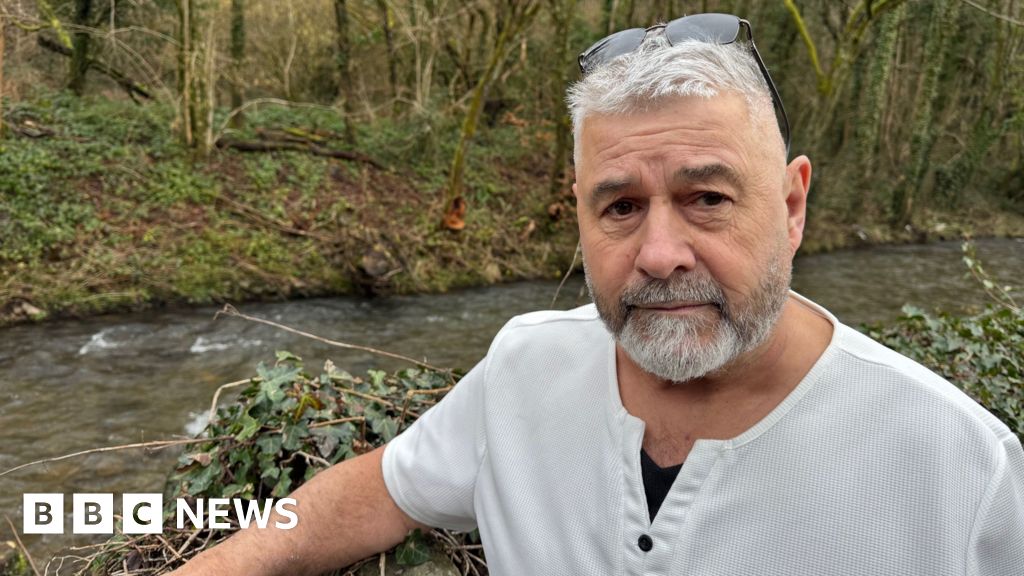
The street, nestled in the heart of the Rhondda Cynon Taf valley, has been identified as having a "unique risk of significant flooding," a vulnerability tragically underscored by devastating events such as Storm Dennis and Storm Bert. These extreme weather phenomena left homes submerged and extensively damaged, eroding the sense of security for an entire community. The council’s move represents a stark acknowledgment that for some areas, relocation and demolition are the only sustainable long-term solutions against an increasingly unpredictable climate.
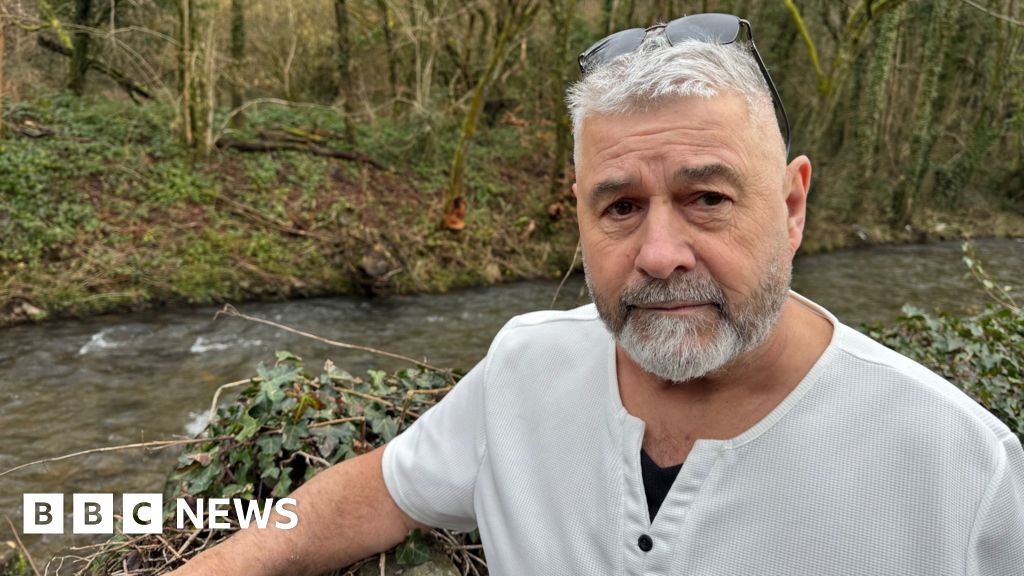
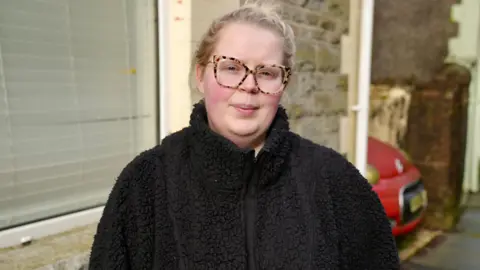
For residents like Paige Didcote, a 27-year-old ambulance service worker, the prospect of the council buying out their homes, while tinged with the sadness of leaving, offers an undeniable sense of relief. "My anxiety levels are definitely through the roof," Paige shared, her voice reflecting the constant dread that permeates daily life on Clydach Terrace. "If there is a flood warning and our dogs are in the house it terrifies us because we both travel over an hour to and from work." The fear isn’t just for property; it’s for the lives of loved ones, human and animal alike. She pointed out, "Other people in the street, they have kids, grandkids, so it’s a lot more difficult for them," emphasizing the broad spectrum of emotional and practical burdens borne by the community. The hope is that this buyout is "the only option unfortunately and the best option" for their future well-being.
The Rhondda Cynon Taf council officials, following extensive assessments and consultations, recommended the acquisition of numbers 1-16 on Clydach Terrace. The approved budget for this ambitious project stands at £2.57 million, a figure designed to cover not only the market value of the properties but also incidental costs, essential relocation assistance, and legal fees for the affected homeowners. Notably, numbers 6a and 6b Clydach Terrace have been excluded from the proposal due to their elevated position relative to the road, which places them at a comparatively lower risk of flooding. This distinction highlights the highly localized and specific nature of the flood risk assessment.
The decision to demolish rather than defend stems from a critical evaluation by Natural Resources Wales (NRW), the principal environmental body in the region. Despite the existing wall separating the Nant Clydach tributary from the street, NRW concluded that constructing a raised flood defence wall, robust enough to withstand future events, was simply "not economically viable." This finding underscores a growing dilemma in flood management across the UK: where the cost of protecting communities outweighs the economic benefits, radical solutions like managed retreat become the default. The terrain, the volume of water, and the sheer scale of the engineering required to provide adequate protection made a traditional defence project prohibitively expensive and perhaps even technically challenging in the narrow valley.
The cabinet report, which laid out the justification for the buyout, painted a grim picture of life on Clydach Terrace. It detailed how during Storm Dennis in February 2020 and subsequent events like Storm Bert, much of the pavement and highway was completely submerged. Properties suffered extensive and recurring damage, leading to a relentless cycle of repair and restoration that chipped away at residents’ financial and emotional reserves. A particularly devastating consequence for the community has been the severe difficulty in obtaining home insurance, or the astronomical costs associated with it, making recovery from each flood event an increasingly untenable burden. Beyond the financial strain, the report starkly highlighted the "significant risk to health and danger to life" in the area, a chilling reminder of the existential threat posed by the river.
Paul Thomas, a 66-year-old resident who has called Clydach Terrace home for four decades, knows this danger intimately. His harrowing account of being caught in the torrent during Storm Dennis in 2020 serves as a powerful testament to the life-threatening conditions faced by the community. "A wave came up the street and knocked me off the step, I was carried across the road, over to the wall, but I was able to kick off and get back," he recounted, his voice still holding the tremor of that terrifying memory. "I would have gone into the river and down the tunnel and that would have been the end of me." He vividly described his desperate struggle for survival, "I was pulling pipes off the houses to stop myself being dragged out – the wave was powerful enough to break doors and windows." This near-death experience solidified his conviction that leaving is not just an option, but a necessity.
For Paul, however, the impending move is profoundly bittersweet. His daughter lives next door, and his grandson and daughter-in-law reside on the other side. This tight-knit family unit, a common feature in Welsh valley communities, faces an inevitable fragmentation. "My grandson is devastated," Paul shared, highlighting the emotional toll on the younger generation, who will lose their familiar surroundings and the comfort of close family proximity. "But we’ve resigned ourselves to the fact that we’ve got to go." The uncertainty of where he and his family will relocate, coupled with the slim chances of finding neighbouring homes for everyone, adds another layer of sorrow to an already difficult situation. "We know that’s all going to change," he lamented, acknowledging the profound shift in their lives.
The omnipresent threat of flooding has taken a severe toll on the mental and physical health of the residents. Houses on Clydach Terrace are frequently surrounded by sandbags, a permanent, visual reminder of the persistent danger. Paige articulated the collective sentiment: "It will just take the anxiousness away from every storm, every winter – even when it rains the anxiety levels are through the roof." Paul echoed this, describing how simply watching a weather report can plunge their "whole world crumbles around us." The constant vigilance, the fear of leaving home, and the recurring trauma have undeniably "taken a toll on our health if I’m perfectly honest with you – it’s taken over our lives." The decision to move, while painful, is ultimately seen as a liberation from this relentless psychological burden. "As soon as we’re able too, we’ve got to go," he concluded.
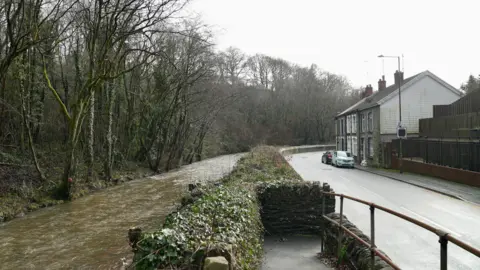
The council report explicitly states that if the purchase is successfully concluded, the properties will be demolished, and critically, "any flood risks would be removed" from the area. This implies a transformation of the land, potentially returning it to a more natural state, allowing the Nant Clydach to flow more freely and thus mitigating risk downstream. This approach, often termed ‘managed retreat,’ is becoming an increasingly considered strategy for communities facing intractable environmental threats.
While the residents are clear on the necessity of the move, the financial specifics remain an area of concern and speculation. Both Paul and Paige admitted they do not yet know how much money they will receive for their homes. "A lot of people are speculating we’re going to get a tremendous amount of money – it doesn’t work like that," Paul clarified, tempering public expectations. For Paige, despite the upheaval, there’s a desire to maintain a connection to her roots. "No plan at the moment, no figures at the moment – I do love the area, it’s just a shame that the river is across the road," she expressed, underscoring the bittersweet attachment to their home and community. This council decision, while offering a path to safety for the residents of Clydach Terrace, stands as a poignant symbol of the difficult choices facing communities worldwide as they adapt to the accelerating impacts of climate change.


 Nakalama John
 George Anjay
 Ramos Leo

 atisusanti