Nana Banana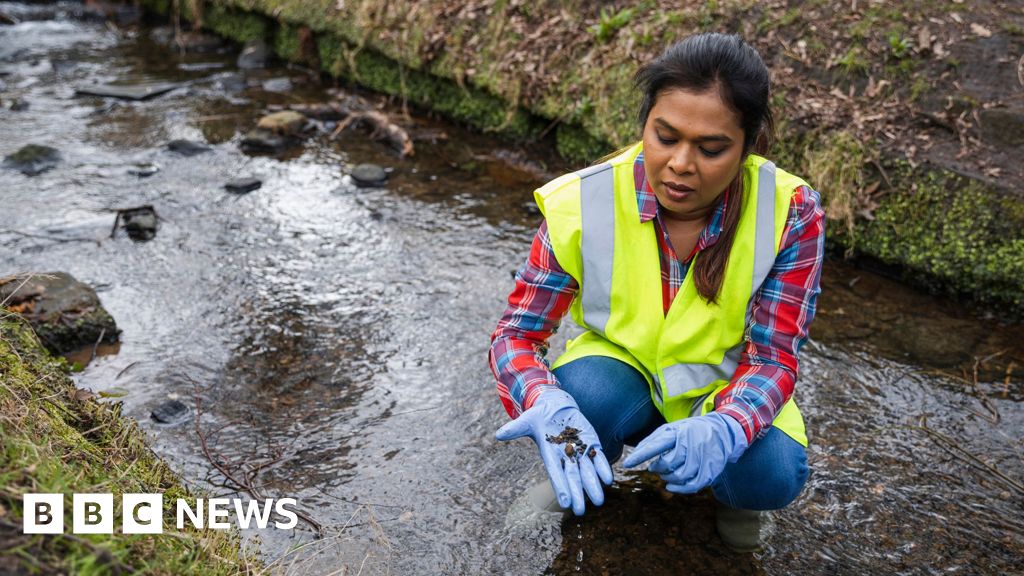
The United Kingdom has launched a comprehensive national strategy to significantly increase testing for per- and polyfluoroalkyl substances (PFAS), commonly known as "forever chemicals," across its environment. This ambitious plan comes amid escalating environmental and public health concerns surrounding these ubiquitous and highly persistent synthetic compounds. Often lauded for their remarkable oil-resistant, waterproof, and heat-resistant properties, PFAS have become integral to a vast array of everyday products, from non-stick cookware to firefighting foams and protective clothing. However, their incredibly strong carbon-fluorine bonds prevent them from breaking down naturally, leading to their accumulation in soil, water, wildlife, and even human bodies, sparking alarm among scientists, policymakers, and the public alike.
PFAS represent a diverse group of thousands of synthetic chemicals, distinguished by their unique atomic structure that makes them exceptionally stable. This stability, while beneficial for industrial applications, is precisely what earns them the moniker "forever chemicals," as they persist in the environment for centuries. Their widespread use means they are now found in countless household items, including cosmetics, baking equipment, frying pans, dishwasher rinse aid, polish, and even school uniforms and medication casings. Industries also rely on them in critical applications such as hydrogen production, electronics, and medical devices, making their phase-out a complex challenge.
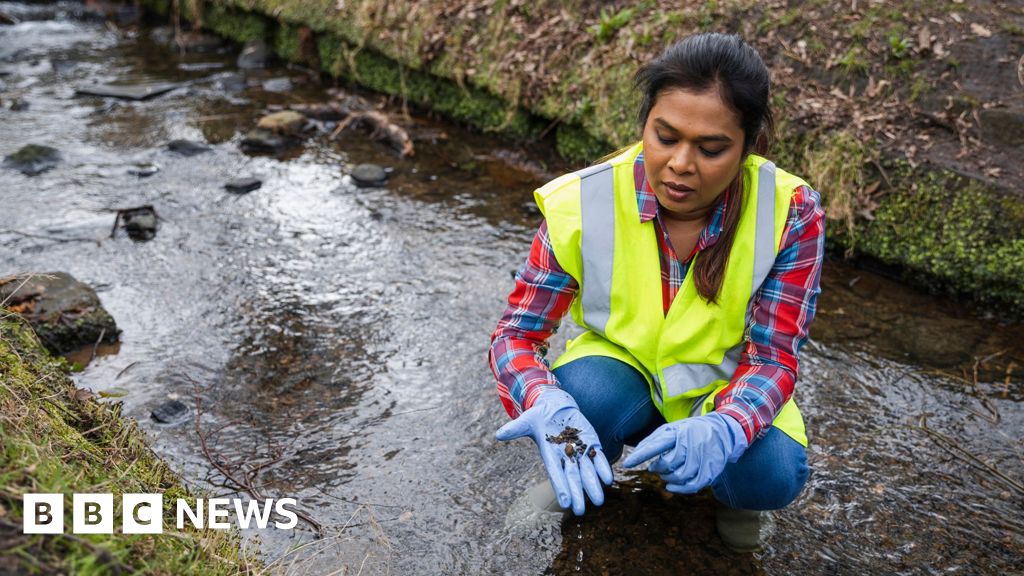
The government’s newly unveiled PFAS Plan centres around three pivotal aims designed to enhance understanding, mitigate risks, and foster a transition to safer alternatives. Firstly, it commits to a substantial increase in environmental monitoring. Specifically, the number of water samples tested for PFAS will be boosted by 50% across Scotland and Wales. In England, the plan extends to testing animals in coastal areas and conducting soil analyses in five designated priority regions. This expanded testing regime aims to identify ‘hotspots’ of contamination, providing a clearer picture of the prevalence and distribution of these chemicals across the UK landscape and within its ecosystems.
Secondly, the plan seeks to elevate public awareness regarding PFAS. This will be achieved through the launch of a dedicated website and other informational resources, designed to educate citizens about where these chemicals are found, their potential risks, and steps individuals can take to reduce their exposure. The goal is to empower the public with knowledge, encouraging informed choices and supporting the broader shift away from PFAS-containing products.
The third core aim involves a commitment to aligning more closely with European Union regulations concerning PFAS. By December 2028, the UK intends to harmonize its approach with the EU’s ambitious proposal for a universal ban on all non-essential uses of PFAS. This strategic alignment could significantly accelerate future regulatory actions in the UK, especially given the historical challenges faced by UK regulators in undertaking in-depth chemical assessments post-Brexit. Environment Minister Emma Hardy underscored the gravity of the situation, stating that "forever chemicals are one of the most pressing chemical challenges of our time," emphasizing the crucial need to protect both public health and the environment for future generations.
The urgency for action is driven by a growing body of scientific evidence highlighting the potential adverse impacts of PFAS. Dr. Liz Chadwick, a senior lecturer in biosciences at Cardiff University, explains that PFAS leak into the environment from various sources, including manufacturing processes, the washing of clothes and products containing PFAS, and the agricultural application of waste sludge from water treatment works. Once released, their extreme persistence allows them to bioaccumulate in living organisms and potentially biomagnify up the food chain, meaning concentrations increase at higher trophic levels.
The health implications are particularly concerning. Earlier this year, the World Health Organization (WHO) raised significant alarms by classifying perfluorooctanoic acid (PFOA) as carcinogenic to humans and perfluorooctanesulfonic acid (PFOS) as possibly carcinogenic. These classifications are linked to an increased risk of thyroid, testicular, and kidney cancers. While both PFOA and PFOS are already banned in the UK, these findings underscore the potential dangers posed by the broader family of PFAS and reinforce calls for a "precautionary principle" approach to their regulation. Dr. Hannah Moody, Director of Research and Engagement at Breast Cancer UK, welcomed the plan as a step forward but stressed that "the work is not complete on this," advocating for tighter regulation of endocrine-disrupting chemicals linked to increased breast cancer risk.
Despite the broad welcome from environmental charities and scientists, the plan has also drawn criticism for its pace and scope. Environmental groups, such as Chem Trust, argue that while more research and monitoring are vital, they should not precede stringent regulation at the source. Dr. Shubhi Sharma, a scientific researcher at Chem Trust, asserted, "We should not be waiting for people to start showing adverse impacts before we take action," advocating for a more immediate ban based on the precautionary principle, where potential harm outweighs perceived benefits.
The water industry, which currently bears the substantial cost of regularly testing for the 48 most concerning PFAS and treating contaminated water supplies, is among the most vocal critics. A spokesperson for Water UK, the industry body, stated, "While this is a useful first step, the government needs to go much further. The problem with PFAS will only get worse until chemical companies are forced to stop their manufacture and sale and clean up the mess they’ve already created." They contend that the burden of remediation should fall squarely on the manufacturers of these chemicals.
Conversely, the Chemical Industries Association (CIA) emphasizes the significant challenges involved in phasing out PFAS. They highlight that finding suitable and viable alternatives that are both environmentally superior and deliver the required performance is an arduous task, often necessitating extensive research and development. Industries such as hydrogen production, for example, currently have few effective alternatives, making an immediate blanket ban difficult without impacting critical sectors. This sentiment is echoed by manufacturers like Debbie Reed from Equip Outdoor Technologies (owners of Rab and Lowe Alpine), who detailed the complexities of transitioning to PFAS-free products, citing intricate supply chains and the need to thoroughly clean entire production lines – an expensive and time-consuming undertaking. Jun Kamei, CEO of Amphico, a company developing toxic-free textiles, also noted the immense technical challenge, stating it took his team seven years to develop PFAS-free alternatives.
The UK’s commitment to aligning with the EU’s proposed universal ban, which could see a prohibition on all PFAS unless proven essential for society, offers a promising path forward. This alignment is particularly significant in a post-Brexit landscape where UK regulators have been "overwhelmed and busy with adapting to the changes that Brexit has caused," as noted by Stephanie Metzger, a policy adviser at the Royal Society of Chemistry. Such collaboration could streamline regulatory processes and ensure that the UK does not fall behind international efforts to tackle these persistent pollutants. Examples like France, which has already banned PFAS in products where alternatives exist following significant public protest, illustrate the potential for more decisive national action.

In conclusion, while the UK’s new plan to ramp up ‘forever chemical’ testing and increase public awareness marks a critical step, it also underscores the ongoing tension between environmental protection, public health concerns, and industrial reliance on these versatile compounds. The debate between implementing immediate, widespread bans and allowing time for the development of viable alternatives continues. However, the overarching consensus is clear: the pervasive nature and potential harms of PFAS demand sustained and decisive action, moving beyond mere monitoring to a comprehensive strategy that prioritizes the long-term health of both the environment and its inhabitants. The success of this plan will hinge not only on enhanced testing but also on the government’s willingness to implement more stringent regulations and foster rapid innovation towards a PFAS-free future.




 George Anjay
 Ramos Leo
 Nakalama John