Nana Banana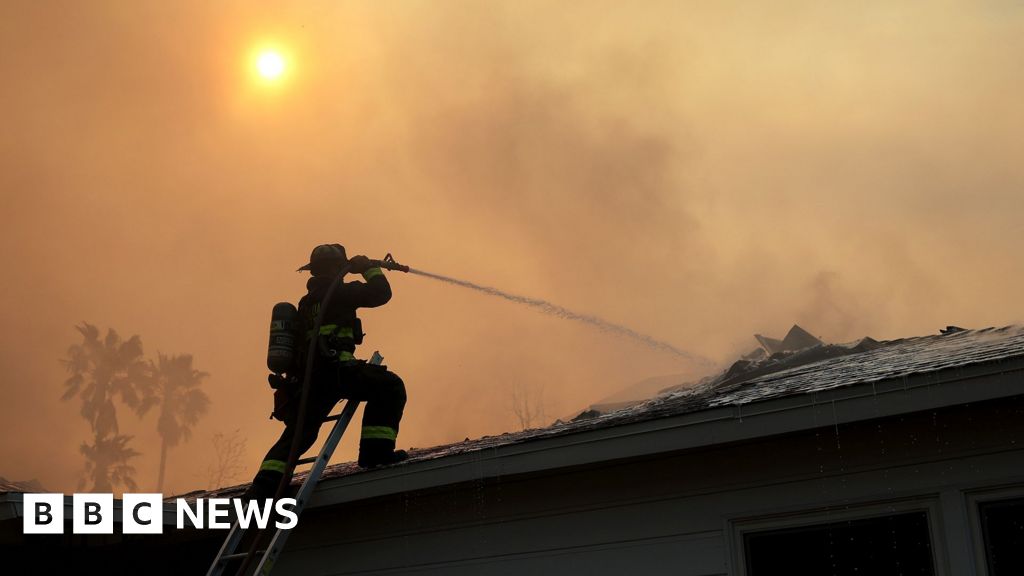
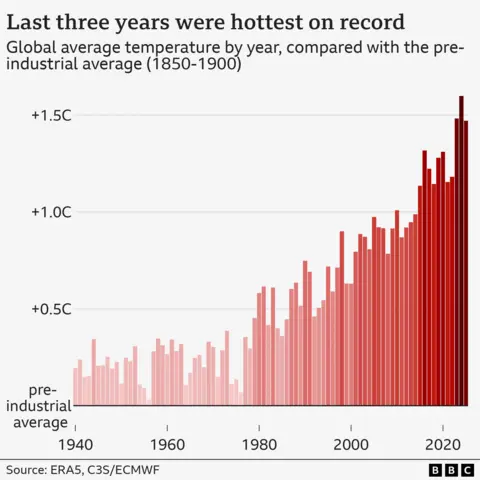
Despite the natural, albeit modest, cooling influence of La Niña, 2025 remained significantly warmer than temperatures experienced even a decade ago. This stark reality serves as a potent reminder that humanity’s relentless emission of carbon continues to exert a dominant heating effect on the Earth’s climate system. Experts unequivocally warn that this persistent warming trend will inevitably lead to further temperature records being shattered – and a corresponding escalation in the frequency and intensity of extreme weather events – unless global carbon emissions are drastically and urgently reduced.
Dr. Samantha Burgess, Deputy Director of Copernicus, encapsulated the grim outlook, stating, "If we go twenty years into the future and we look back at this period of the mid-2020s, we will see these years as relatively cool." Her statement highlights the profound shift in baseline temperatures, suggesting that what we now perceive as "hot" will soon be considered moderate in the context of future warming.
The data for 2025 indicated that the global average temperature stood more than 1.4°C above "pre-industrial" levels. This benchmark refers to the late 1800s, a period predating the widespread industrialization and the massive burning of fossil fuels that dramatically increased greenhouse gas concentrations in the atmosphere. While the precise figures can vary slightly between major climate monitoring groups – primarily due to minor differences in their pre-industrial baseline calculations – there is an overwhelming scientific consensus regarding the world’s undeniable long-term warming trend. The Paris Agreement, a landmark international accord adopted in 2015, committed nearly 200 countries to limiting global warming to well below 2°C above pre-industrial levels, with an ambitious target of pursuing efforts to limit it to 1.5°C. The aim is to avert the most catastrophic and irreversible consequences of climate change that warming beyond these thresholds would unleash.

Prof. Rowan Sutton, Director of the Met Office Hadley Centre, articulated the fundamental scientific understanding: "We understand very well that if we continue to pump greenhouse gases into the atmosphere, the concentrations of those gases increase in the atmosphere, and the planet responds by warming." This direct cause-and-effect relationship forms the bedrock of climate science and explains why a temporary natural cooling phenomenon like La Niña cannot offset the cumulative impact of decades of human-induced emissions.
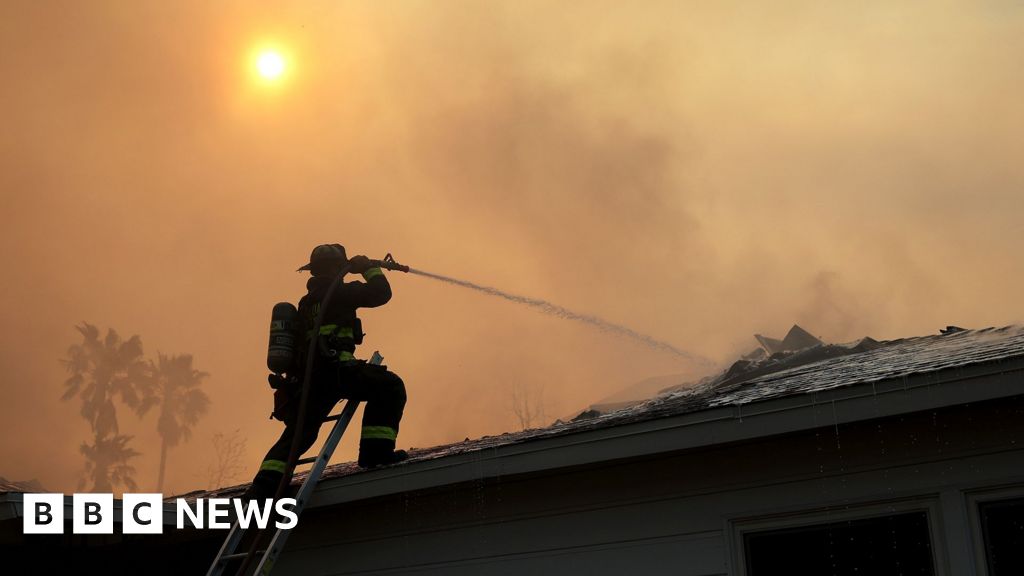
While 2025 might not have claimed the title of the absolute hottest year worldwide, the year was far from tranquil. Extreme weather events, increasingly linked to global warming, continued to wreak havoc across the globe. January 2025 saw devastating wildfires rip through California, quickly becoming one of the most expensive weather-related disasters in US history. Fueled by prolonged drought conditions, unusually high temperatures, and strong Santa Ana winds, these blazes engulfed vast tracts of land, destroyed homes, displaced thousands, and choked the air with hazardous smoke. The image of a firefighter silhouetted against a burning house, under a hazy sky, became a poignant symbol of the escalating climate crisis.
Later in the year, in October, Hurricane Melissa brought mass flooding and widespread devastation to Haiti and other vulnerable Caribbean nations. The intensification of tropical cyclones, characterized by stronger winds and heavier rainfall, is a direct consequence of warmer ocean waters (which provide more energy for storms) and increased atmospheric moisture (allowing for greater precipitation). The sight of families cleaning up debris in front of their flooded homes in Petit Goave, Haiti, served as a stark reminder of the disproportionate impact of climate change on communities least responsible for its causes.
The proximity of the global average temperature to the 1.5°C threshold is particularly alarming. "Looking at the most recent data, it looks like we’ll exceed that 1.5-degree level of long-term warming by the end of this decade," warned Dr. Burgess. This prospect underscores the urgency of climate action, as breaching this critical limit is expected to trigger a cascade of more severe and potentially irreversible impacts, including more frequent and intense heatwaves, prolonged droughts, accelerated sea-level rise, and heightened risks to biodiversity and food security.

The interplay between long-term human-induced warming and shorter-term natural variability is a crucial aspect of understanding climate trends. Natural phenomena like El Niño and La Niña, collectively known as the El Niño-Southern Oscillation (ENSO), primarily influence weather patterns in the Pacific but have ripple effects on global temperatures. El Niño phases are characterized by warmer-than-average sea surface temperatures in the central and eastern tropical Pacific, typically leading to warmer global average temperatures. Conversely, La Niña, with its cooler-than-average sea surface temperatures, usually has a cooling effect on the global average. The fact that temperatures remained so remarkably high in 2025, a La Niña year, is indeed "a little worrying," according to Dr. Zeke Hausfather, a climate scientist at Berkeley Earth in the US. It suggests a powerful underlying warming signal that even natural cooling cycles struggle to counteract.
The last three years have witnessed global temperature records broken by significant margins, a trend powerfully illustrated by charts showing monthly temperature anomalies. For every single month of the year, the warmest-ever recorded temperature has occurred within this recent three-year period, according to Copernicus data. This unprecedented succession of heat records points to an acceleration of warming that is exceeding previous projections.
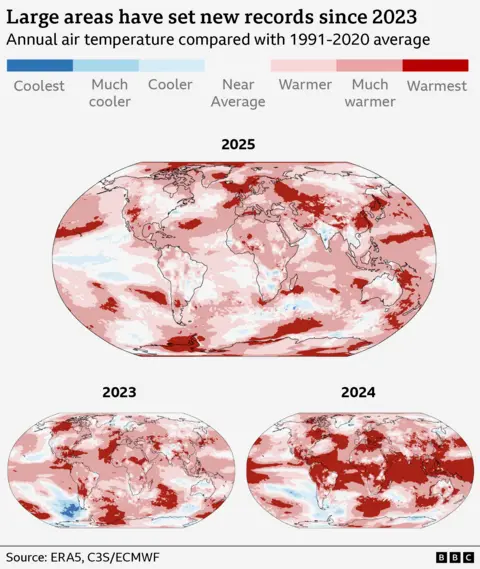
Scientists are actively investigating the factors contributing to this rapid warming at the upper end of longer-term expectations. Emerging theories include changes in cloud cover and alterations in the concentrations of tiny atmospheric particles known as aerosols. Aerosols, which are fine solid or liquid particles suspended in the air (from sources like pollution, volcanic eruptions, or natural dust), can either warm or cool the planet depending on their type and interaction with sunlight and clouds. Some research suggests that a reduction in certain cooling aerosols, particularly from industrial pollution, might be contributing to the accelerated warming observed. However, Prof. Sutton cautioned that more data is needed before definitive conclusions can be drawn about the long-term implications of these specific accelerated trends.
Despite the sobering data and the increasing urgency, scientists maintain that the future impacts of climate change are not predetermined. "We can strongly affect what happens," affirmed Sutton, emphasizing the dual approach required: mitigation and adaptation. Mitigating climate change involves actively cutting greenhouse gas emissions to stabilize global warming. This necessitates a rapid transition away from fossil fuels to renewable energy sources, improvements in energy efficiency, sustainable land management practices, and the development of carbon capture technologies. Simultaneously, adaptation is crucial – building societal resilience to the ongoing and unavoidable changes. This includes developing early warning systems for extreme weather, investing in climate-resilient infrastructure, protecting and restoring natural ecosystems, and supporting vulnerable communities in coping with the impacts already being felt.
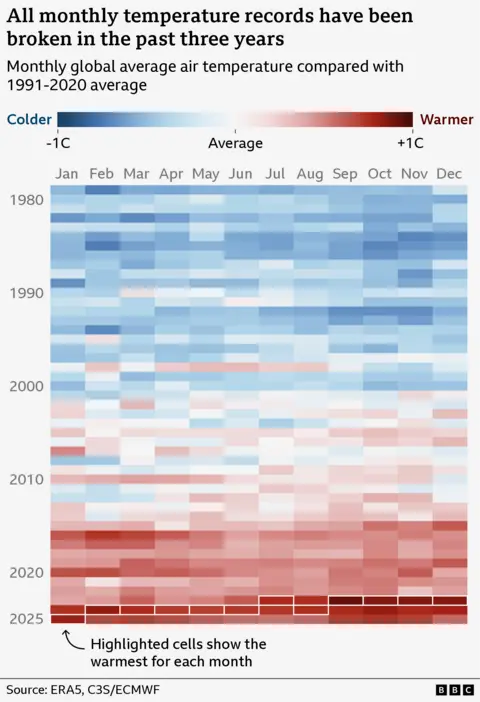
The scientific community’s consensus is clear: while natural cycles may offer fleeting dips in temperature, the overarching trajectory is one of accelerating warming driven by human activity. The stark warnings from researchers like Mark Poynting, Dr. Samantha Burgess, Prof. Rowan Sutton, and Dr. Zeke Hausfather are a call to action. The year 2025, with its brief, La Niña-induced respite amidst a backdrop of record-breaking heat and escalating extreme weather, serves as a critical juncture, highlighting both the immense challenge and the enduring possibility of shaping a more sustainable future through concerted global effort.
Additional reporting by Jess Carr

 George Anjay
 Ramos Leo
 Nakalama John