
 Nakalama John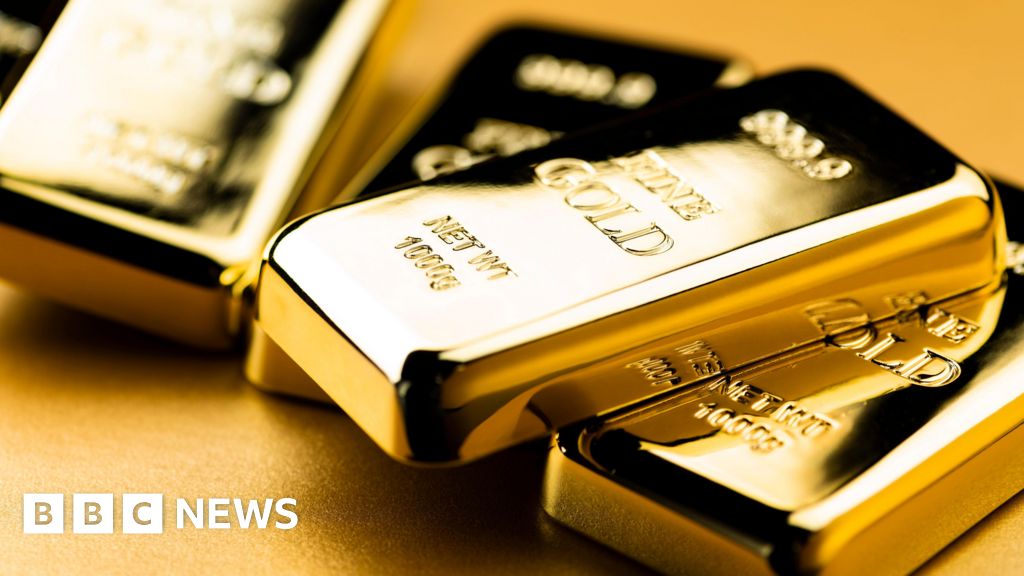
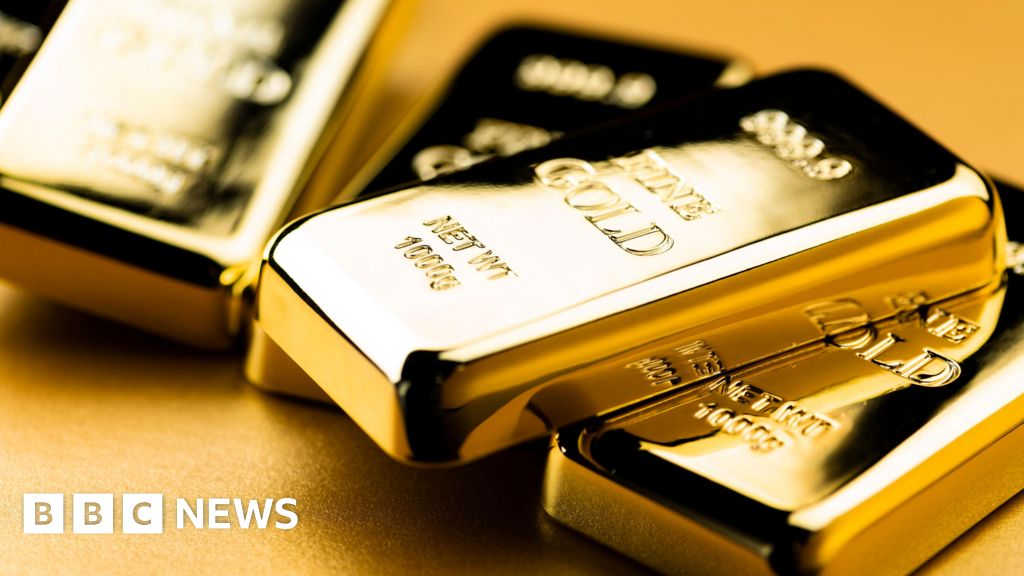
The precious metal, often considered a so-called "safe haven" asset during periods of heightened instability and economic turmoil, experienced a sharp upward surge, reclaiming ground above the $5,000 mark after several days of notable declines. Specifically, gold shot back above $5,000 (£3,650) an ounce, reflecting a rapid shift in investor sentiment from cautious optimism to renewed apprehension. This dramatic rebound underscores the enduring role of gold as a barometer for global anxiety, with its price movements often mirroring the perceived risks within the international political and economic landscape.
Prior to this latest escalation, gold prices had been on a rollercoaster ride, having been previously propelled to unprecedented record highs by a confluence of factors. These included rapid and often unpredictable changes in US trade policy, particularly those impacting major global economies, alongside persistent geopolitical uncertainty stemming from various regional conflicts and international disputes. Furthermore, a significant driver behind the earlier surge was the sustained increase in bullion purchases by central banks worldwide, diversifying their reserves away from traditional fiat currencies amid concerns over inflation and currency stability.
Wednesday’s impressive jump, which saw the price of gold settle around $5,061 per ounce, positioned the metal approximately 80% higher than its valuation at the same time a year ago. This substantial year-on-year growth highlights a profound shift in market dynamics and investor confidence over the past twelve months, driven by an overarching environment of global economic rebalancing, inflationary pressures, and a pervasive sense of geopolitical unease that has consistently underpinned demand for physical assets like gold. The current rebound serves as a stark reminder of how quickly market sentiment can pivot in response to real-world events.
The specific incident that triggered this latest surge involved a US military spokesman confirming the engagement, stating that the Iranian drone had been shot down after exhibiting what was described as "aggressive" behaviour towards an American aircraft carrier. The exact location and circumstances of the encounter in the Arabian Sea, a vital waterway for global trade and energy transit, underscore the strategic importance of the region and the potential for rapid escalation. As of the reporting, Tehran had not issued an official comment on Tuesday’s incident, leaving an information vacuum that contributed to market speculation and heightened investor caution. The lack of immediate response from Iran added another layer of uncertainty, prompting concerns about potential retaliatory actions or a further deterioration of diplomatic relations.
The latest price action follows a period of significant volatility. Gold prices had actually peaked at an impressive $5,500 in late January, representing the zenith of its recent upward trajectory. However, this record-setting rally was sharply interrupted last Friday when the market reacted strongly to news from Washington. US President Donald Trump’s nomination of Kevin Warsh to chair the Federal Reserve, the central banking system of the United States, was met with a distinct shift in investor sentiment that led to a dramatic sell-off in gold.
Warsh, a former Federal Reserve governor, was widely viewed by investors as a relatively safe and conventional pick for the crucial role of Fed chair. His perceived conservatism and adherence to traditional monetary policy principles helped to calm burgeoning concerns about the independence of the central bank, which had been previously exacerbated by public attacks from President Trump against the incumbent chair, Jerome Powell, and the pace of interest rate adjustments. The market interpreted Warsh’s nomination as a signal for a more predictable and less interventionist monetary policy environment, thereby reducing the perceived need for safe-haven assets. A more stable Fed implies less risk of uncontrolled inflation or sudden economic shocks, making non-yielding assets like gold less attractive compared to interest-bearing alternatives or a strengthening dollar.
Friday’s sharp decline, which saw the gold price tumble by a staggering 9% in a single trading session, marked its most significant one-day fall since 1983. This historic plunge underscored the powerful influence of monetary policy expectations on precious metal valuations. The market’s relief over a potentially more stable and independent Federal Reserve overshadowed the lingering geopolitical concerns for a brief period, illustrating the complex interplay between economic policy, political rhetoric, and global events in shaping commodity prices. The sudden unwinding of speculative positions, combined with profit-taking, contributed significantly to the velocity of the decline.
Emma Wall, chief investment strategist at Hargreaves Lansdown, provided insight into the recent market movements, noting that the current rise in the gold price is "mostly fuelled by speculators buying the dip." This phenomenon occurs when investors perceive a recent price drop as a temporary setback rather than a fundamental change in value, prompting them to purchase the asset at a lower price in anticipation of a future recovery. Wall further elaborated that despite the recent volatility, "the fundamental drivers of the metal are intact." These fundamental drivers include ongoing global geopolitical instability, persistent inflation concerns, the continued devaluation of fiat currencies, and sustained demand from central banks and institutional investors looking to diversify their portfolios and hedge against systemic risks. The belief that these underlying factors remain unresolved provides a strong foundation for continued interest in gold.
However, Wall also issued a cautionary note, warning that investors should brace themselves for further volatility in the coming months. She pointed to several key events and ongoing situations that are likely to continue influencing market sentiment and, consequently, the price of gold. These include forthcoming interest rate decisions from major central banks, particularly the Federal Reserve, which will dictate the cost of borrowing and the attractiveness of alternative investments. The mid-term elections in November in the United States could introduce significant policy shifts and economic uncertainty, potentially affecting market stability. Furthermore, the continuing tensions in Ukraine and the Middle East, exemplified by the recent drone incident, carry inherent risks of escalation, which could trigger renewed safe-haven demand for gold. Each of these factors individually possesses the power to sway market direction, and their combined effect creates a highly unpredictable environment.
Silver, often considered gold’s more volatile counterpart, has also experienced a recovery from the significant losses observed over recent days. On Wednesday, prices for the industrial and precious metal climbed by approximately 5% to reach $92 an ounce. Silver’s market dynamics are often closely linked to gold’s, but its smaller market size and significant industrial demand component tend to amplify its price swings. The metal had endured far more dramatic falls than gold after its January surge, plunging by an astonishing 27% in a single day last Friday, demonstrating its heightened sensitivity to market shifts and speculative activity.
Despite being well off its January peak of over $120 an ounce, silver’s current valuation remains remarkably strong. It is still worth almost three times what it was at the same time a year ago, underscoring a broader, long-term bullish trend for precious metals. This sustained growth in silver’s value, much like gold’s, reflects a combination of factors including increased industrial demand from green technologies, investment demand as a hedge against inflation, and its inherent appeal as a precious metal in an era of ongoing global economic and geopolitical uncertainty. The parallel yet distinct movements of gold and silver highlight the intricate and often unpredictable nature of the commodity markets in response to an ever-evolving global landscape.



 Ramos Leo

 atisusanti
 George Anjay