Ramos Leo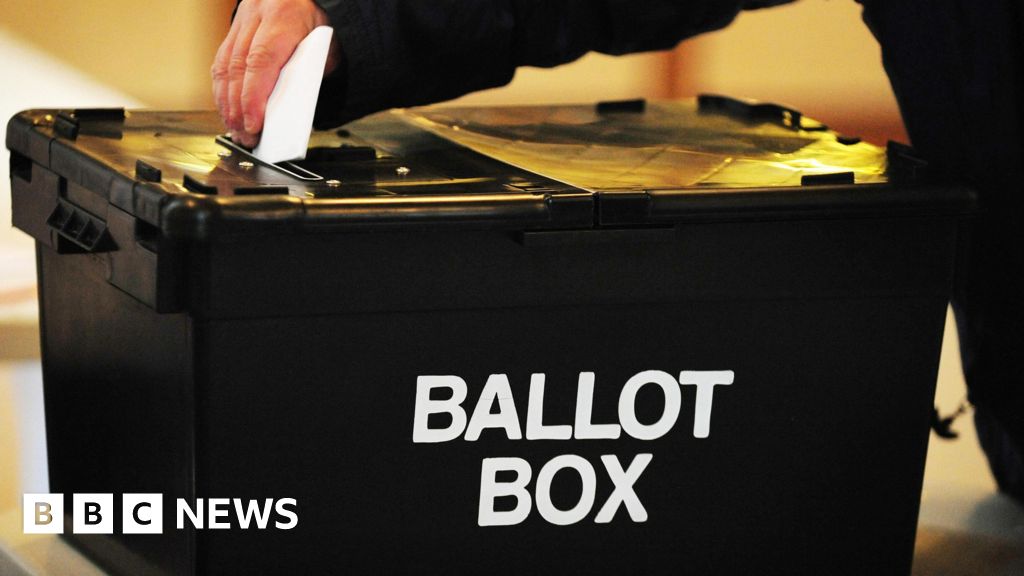
By-elections, though often triggered by specific local circumstances, frequently serve as a barometer for public sentiment regarding the national government and opposition parties. The outcome in Gorton and Denton, a traditionally Labour-held seat, will be scrutinised for any significant shifts in support or turnout, which could offer clues about the broader political landscape ahead of an anticipated general election. The constituency encompasses diverse communities, blending urban areas of Manchester, such as Gorton and Openshaw, with parts of the Tameside borough, including Denton, Audenshaw, and Dukinfield South. This blend of urban and suburban areas contributes to a varied electorate with a wide range of local and national concerns.
The by-election was necessitated by the resignation of Andrew Gwynne, who stepped down from his parliamentary duties on 22 January, citing reasons of ill health. Gwynne had served the constituency with dedication since first being elected in 2005. During his nearly two-decade tenure, he held various frontbench roles within the Labour Party, including Shadow Minister for Public Health and Shadow Secretary of State for Communities and Local Government. His resignation marked the end of a significant period of representation for the area and prompted an immediate scramble among political parties to select candidates and launch their campaigns in what is widely considered a safe Labour seat. His departure has been met with expressions of gratitude for his service and well wishes from across the political spectrum.
The campaign leading up to today’s vote has seen candidates from various parties engaging with residents on a range of pressing issues. Local concerns, such as the rising cost of living, access to NHS services, local transport infrastructure, crime rates, and the need for regeneration projects in certain areas, have dominated much of the discourse. These local issues are often intertwined with broader national policies, making the by-election a complex interplay of community-specific needs and overarching political narratives. Canvassers have been out in force, knocking on doors and distributing leaflets, while hustings events have provided platforms for candidates to articulate their visions for Gorton and Denton. Social media has also played a significant role, with parties and candidates leveraging digital platforms to reach voters and disseminate their messages.
While the original article did not list the candidates, a typical by-election in a UK parliamentary constituency attracts a range of contenders from major national parties and often includes independent or smaller party representatives. In a constituency like Gorton and Denton, the primary contenders would likely include:
- The Labour Party candidate: Aiming to retain the seat, their campaign would typically focus on local investment, strengthening public services, tackling the cost of living crisis, and highlighting the party’s national policy agenda. Given the constituency’s history, Labour would be campaigning to uphold its strong majority.
- The Conservative Party candidate: Seeking to make inroads into a traditional Labour stronghold, their campaign might emphasise economic stability, national security, and potentially critique local council performance or the current government’s efforts in key areas.
- The Liberal Democrats candidate: Often campaigning on issues of local democracy, environmental protection, and specific social policies, they would aim to offer an alternative to the two largest parties.
- The Green Party candidate: Focusing on climate change, environmental justice, sustainable transport, and local green initiatives, appealing to voters prioritising ecological concerns.
- Reform UK candidate: Likely to campaign on issues related to immigration, tax reform, and a critique of mainstream political parties, aiming to capture protest votes.
- Other candidates: Including independents or representatives from smaller regional parties, who often bring unique local perspectives or niche policy platforms to the debate.
Each campaign would have adopted distinct strategies, from grassroots door-to-door canvassing to targeted digital advertising, all vying for the attention and trust of the electorate. The political atmosphere has been characterised by a blend of passionate advocacy and the usual political sparring, as parties attempt to differentiate themselves and win over undecided voters.
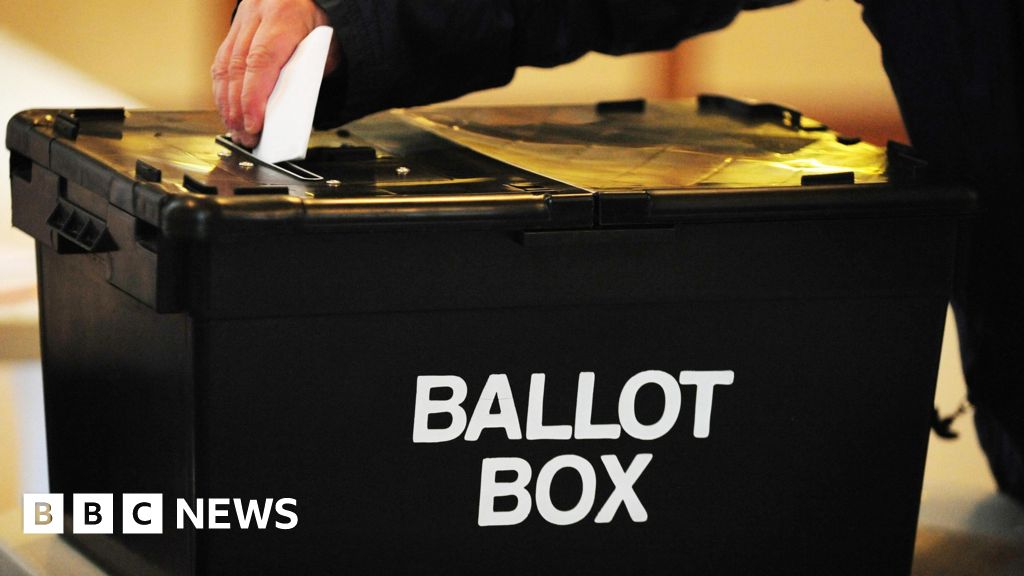
As the polls close at 22:00 GMT, the focus will shift to the arduous process of counting the votes. Ballot boxes from across the constituency will be transported to a central counting venue, typically a local sports hall or civic centre. The verification process, overseen by electoral officials and observed by party agents, will begin immediately, ensuring that all ballot papers are correctly accounted for. Following verification, the actual counting of votes will commence. This often continues through the night, with the declaration of the results expected in the early hours of Friday morning or later that day.
The declaration itself is a tense affair, with candidates, their agents, and members of the press gathered to hear the returning officer announce the final figures. Analysts will be keen to examine not just who wins, but by what margin, and how the vote share of each party has changed since the last general election. A significantly reduced majority for the winning party, or an unexpected surge for another, could be interpreted as a sign of shifting political tides. Turnout figures will also be closely watched, as by-elections often see lower participation than general elections, but a particularly high or low turnout could also be indicative of voter engagement or apathy.
For the winning candidate, the immediate task will be to represent the diverse interests of Gorton and Denton in Westminster, advocating for local residents and contributing to national policy debates. For the losing parties, the by-election will provide valuable data and lessons to inform their strategies moving forward, particularly with a general election looming. The outcome could provide a morale boost to the victorious party, or, conversely, prompt introspection and strategy recalibrations for those who fall short.
Ultimately, the Gorton and Denton by-election is a testament to the enduring democratic process in the UK. It offers the local community a direct opportunity to shape their political representation and sends a signal, however subtle, to the wider political establishment. As the ballot boxes are sealed and the counting begins, the anticipation builds for the announcement that will define the political future of this corner of Greater Manchester.



 atisusanti
 Nakalama John
 George Anjay