Ramos Leo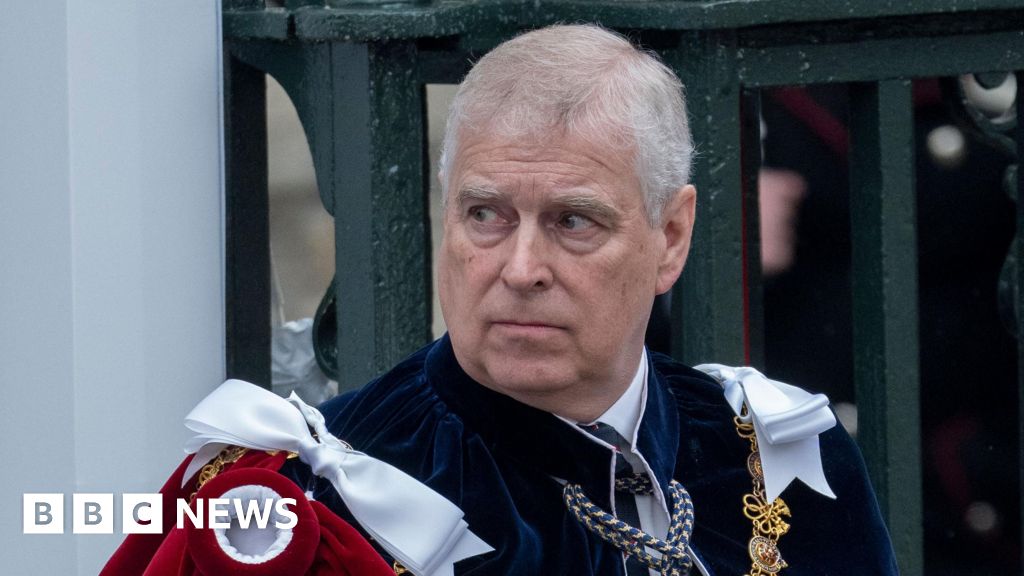
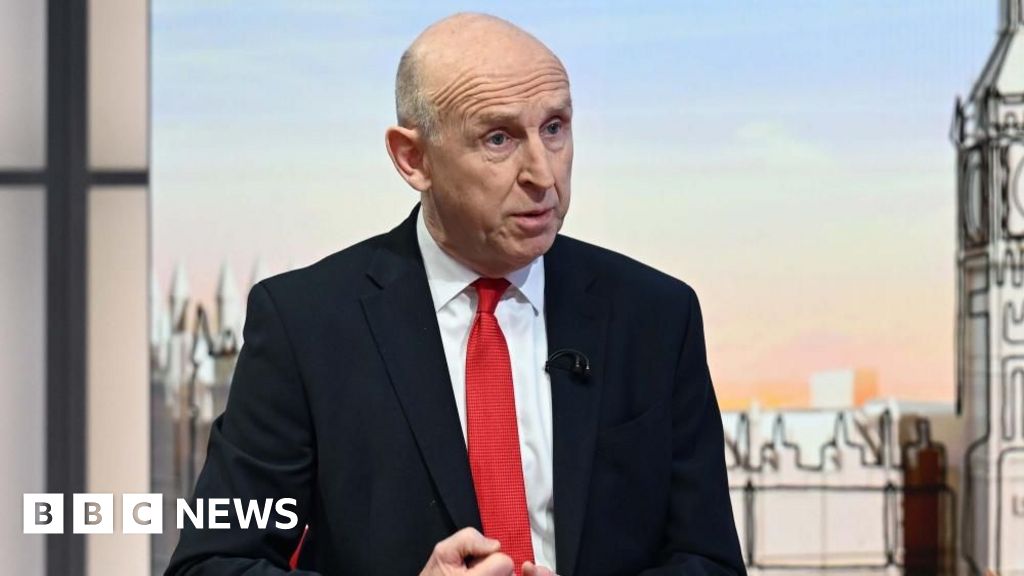
Defence Minister Luke Pollard confirmed the government’s contemplation of such a measure, telling BBC Radio 4’s Any Questions programme that removing Andrew from the line of succession was "the right thing to do." Pollard underscored the gravity of the situation, stating that the move was necessary to prevent Andrew from "potentially being a heartbeat away from the throne," regardless of the outcome of the current police inquiries. He also indicated that the government had been in close consultation with Buckingham Palace on these plans, suggesting a degree of royal assent or cooperation behind the scenes. The Defence Minister expressed optimism that the legislation would garner "cross-party support," although he cautioned that its formal introduction would likely await the conclusion of the police investigation. This shift represents a notable change from Downing Street’s position in October, when it had publicly stated it had no immediate plans to introduce such a law.
The renewed urgency for this legislative action appears to be directly linked to recent developments in the police investigation. Over the past weekend, Royal Lodge, the sprawling 30-room Windsor estate that has been Andrew’s residence for many years, became the focus of intense police activity. On Saturday, multiple unmarked police cars were observed entering the property, a sight that continued a pattern established on Friday when more than 20 vehicles were seen parked at the residence. While the precise nature and scope of the investigation being conducted by Thames Valley Police have not been publicly detailed, the visible presence of law enforcement at a royal residence of this prominence underscores the seriousness of the situation. The BBC understands that the searches at Royal Lodge are expected to continue until Monday, drawing considerable public and media attention to Andrew’s already scrutinized position. The sheer scale of the police operation suggests a thorough and meticulous inquiry, intensifying the pressure on both the government and the Palace to address Andrew’s royal status definitively.
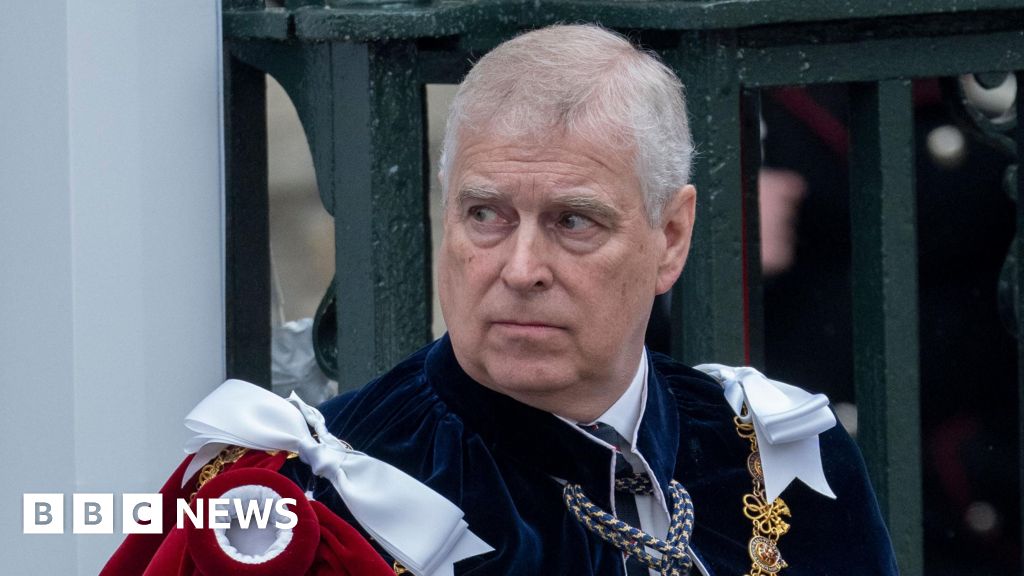
Constitutionally, removing an individual from the line of succession is a complex and historically rare undertaking, requiring an Act of Parliament. This legislative process would involve securing approval from both the House of Commons and the House of Lords before receiving Royal Assent from King Charles III. Furthermore, due to the Statute of Westminster 1931, which governs the relationship between the UK and its Commonwealth realms, the legislation would also necessitate the consent of the 14 other Commonwealth countries where Charles III serves as head of state. These nations include significant members like Canada, Australia, New Zealand, and Jamaica, each of which would need to endorse the change for it to have full legal effect across the realms.
Historical precedent for such a radical intervention is sparse. The last time the line of succession was altered by an Act of Parliament was in 2013, with the passage of the Succession to the Crown Act. This landmark legislation modernised succession laws by ending male-preference primogeniture and removing the disqualification of individuals who married Roman Catholics. However, a direct removal of an individual from the line of succession due to personal conduct is almost unprecedented in modern times. The closest historical parallel dates back to 1936, when an Act of Parliament was required to remove the former Edward VIII and any future descendants from the line of succession following his abdication. That event, while constitutionally significant, was driven by a monarch’s voluntary decision to step down, rather than a governmental and parliamentary move to forcibly remove an individual. The proposed legislation for Andrew would therefore establish a new and potentially far-reaching precedent for the British monarchy.
The government’s proposal has been met with a varied, though largely supportive, reaction from political figures. Liberal Democrat leader Sir Ed Davey affirmed his party’s support, stating that police must be "allowed to get on with their job, acting without fear or favour," but adding that "clearly this is an issue that Parliament is going to have to consider when the time is right, naturally the monarchy will want to make sure he can never become King." Stephen Flynn, the Westminster leader of the Scottish National Party (SNP), also indicated his party’s backing for legislation if it is deemed necessary. Labour MP Rachael Maskell, who represents York Central, has been a vocal proponent of the move, declaring her support for "legislation to remove Andrew from the line of succession and to remove from the counsellor of state." However, not all parliamentarians are convinced of the immediate necessity. Some Labour MPs, known for their broader critiques of the monarchy, have expressed reservations, primarily due to the exceedingly remote possibility that Andrew, currently eighth in line, would ever realistically ascend to the throne. This perspective suggests that while the symbolic gesture might be powerful, the practical impact on the actual succession might be minimal.
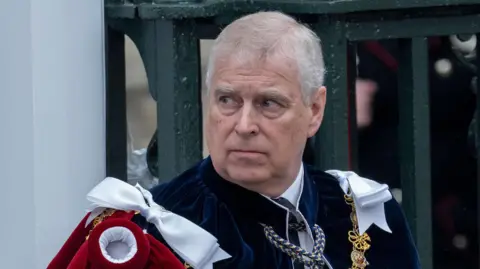
Historian David Olusoga offered a crucial insight into the Palace’s likely strategy, telling BBC Newsnight that there is now "a desperate desire within government and within the palace to draw a firewall… between this crisis and the wider monarchy." This "firewall" approach underscores the monarchy’s keen awareness of public sentiment and its imperative to protect the institution’s integrity and popularity in the face of ongoing scandal. Buckingham Palace has, predictably, maintained its customary silence on the government’s specific plans regarding Andrew’s removal from the line of succession, adhering to its policy of not commenting on ongoing investigations or political manoeuvres concerning individual family members.
However, insights from former royal aides shed light on the internal royal perspective. Julian Payne, King Charles III’s former communications secretary, suggested that the monarch would approach this challenge with a clear distinction between familial bonds and official duty. Payne told BBC Breakfast that the King and Queen Camilla are "very clear: this is an individual. It is not a member of the Royal Family," in terms of public and official perception. He further elaborated that Queen Camilla, having married into the institution and spent decades as a "normal" member of the public, is "very adept at tuning into the public mood." Her understanding of public opinion would undoubtedly play a significant role in advising the King as they formulate their decisions and determine the monarchy’s direction on this sensitive issue. The discussion also touches upon Andrew’s role as a Counsellor of State, a position that allows senior royals to deputise for the monarch if he is ill or abroad. While, in practice, only working royals are typically called upon for these duties, Andrew’s official status as a Counsellor of State has long been a point of contention, and his removal from the line of succession would likely also address this aspect of his royal standing. Andrew had already stepped back from all public duties in 2019, following a widespread backlash after a controversial interview with BBC Newsnight concerning his relationship with Epstein. Conservative Party leader Kemi Badenoch reiterated the importance of allowing the police investigation to proceed unimpeded, stating that "all of us in public life need to give space" to the process.
The government’s consideration of this unprecedented legislative step highlights the profound impact of the ongoing controversies surrounding Andrew Mountbatten-Windsor. It underscores a collective political and royal desire to safeguard the future of the monarchy by severing any formal ties that could link it to the unfolding investigations. As the police inquiry continues and political discussions progress, the United Kingdom finds itself on the cusp of a potentially historic constitutional change, redefining the boundaries of royal privilege and accountability.


 Nana Banana
 atisusanti
 Nakalama John
 George Anjay