
 Nana Banana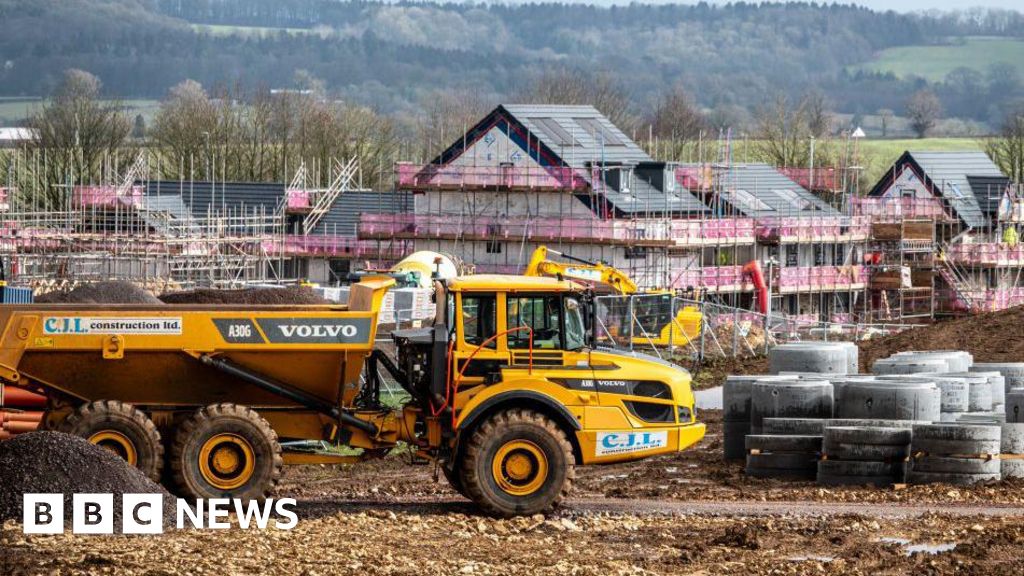
The core of the controversy lies in the government’s review and subsequent amendment of rules known as Biodiversity Net Gain (BNG). Introduced with much fanfare less than two years ago, BNG mandates that developers must not only compensate for the loss of nature resulting from their projects but also achieve a 10% net increase in biodiversity. This ambitious target was enshrined in the Environment Act 2021, representing a cornerstone of the government’s commitment to nature recovery. Under the original BNG framework, developers were required to calculate the biodiversity value of a site before development and then demonstrate how they would deliver a 10% uplift, either on-site, off-site through dedicated habitat banks, or via statutory credits. The intention was to ensure that development contributes positively to nature, rather than simply depleting it.
However, the new proposals significantly expand the scope of exempted developments. Specifically, housing projects covering less than 2,000 square meters of land will no longer be subject to BNG requirements. This exemption is projected to apply to approximately 12,500 new homes annually, a substantial portion of the nation’s housing pipeline. This move represents a scaling back from earlier consultations, which had explored even broader exemptions, including sites up to 10,000 square meters – an area roughly equivalent to one or two football fields. While the government has narrowed the exemption compared to its initial considerations, the impact is still considerable, prompting immediate and widespread condemnation from environmental advocates.
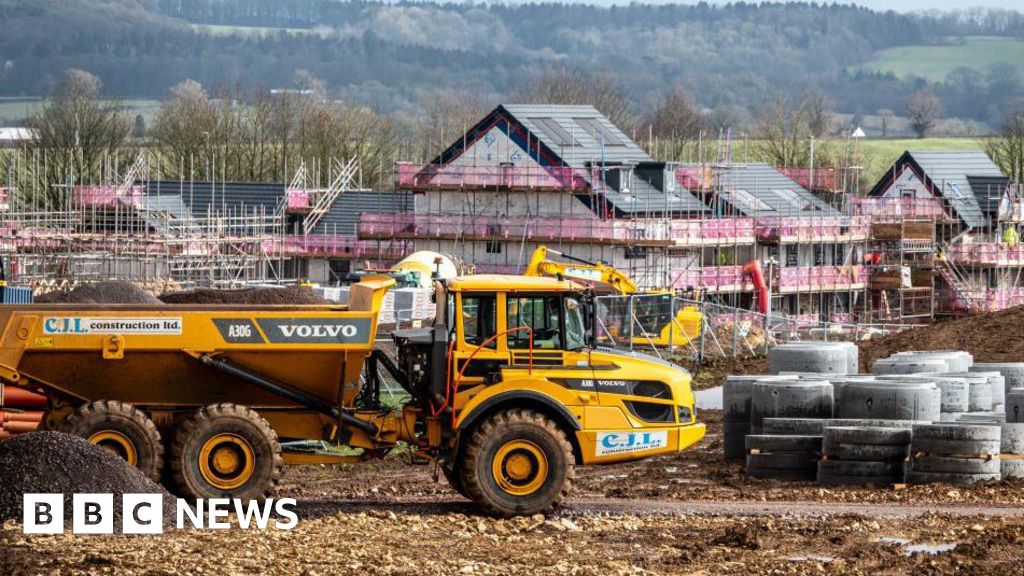
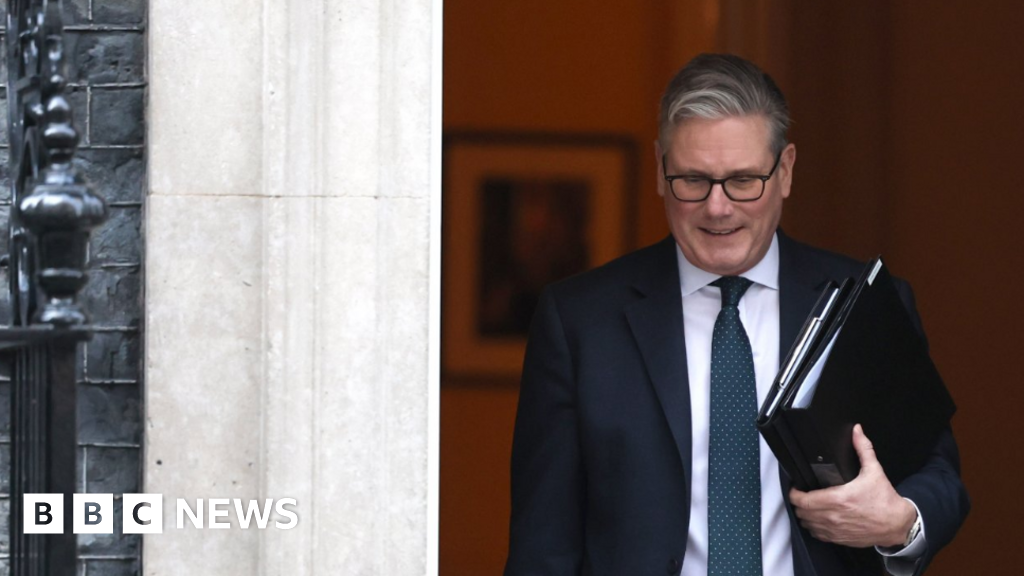
Ministers argue that these changes are an integral part of a broader overhaul of planning rules, all designed to meet the government’s ambitious target of constructing 1.5 million new homes within the current parliamentary term. Matthew Pennycook, the Minister of State for Housing, defended the reforms, stating they are essential to "get Britain building again." Speaking on the announcement, Pennycook acknowledged the likelihood of criticism but emphasized the urgency of the situation. "They will not be without their critics," he conceded, "But in the face of a housing crisis that has become a genuine emergency in parts of Britain, we will act where previous governments have failed." This framing positions the government’s actions as a decisive response to a critical national need, prioritizing housing supply above what they might consider bureaucratic hurdles.
Beyond the BNG exemptions, other reforms outlined in the National Planning Policy Framework include a "default yes" to planning applications near railway stations. Crucially, this includes proposals that might encroach upon previously protected green belt land, a move that signals a significant shift in planning priorities and could open up more areas for development. To mitigate some environmental concerns, the government also stipulated that new builds must incorporate nature-friendly features, such as the installation of swift bricks. These small provisions, intended to support urban wildlife, are seen by critics as a token gesture insufficient to offset the broader weakening of BNG.
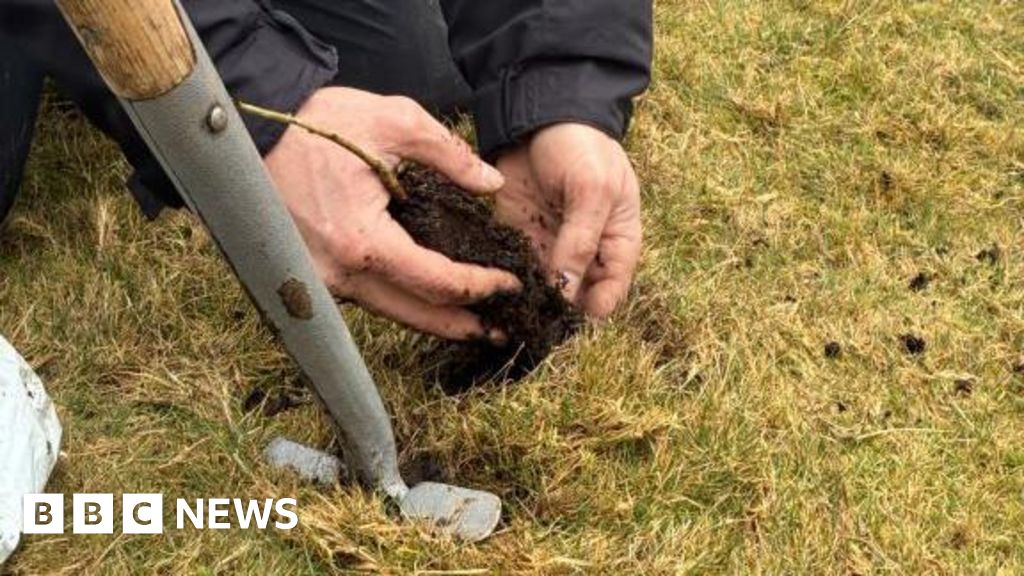
The Biodiversity Net Gain policy, despite its relatively short lifespan, was hailed as a groundbreaking tool for nature recovery. Its principle was simple yet profound: no development should lead to a net loss of biodiversity. Instead, every project should contribute to a healthier, more resilient natural environment. Developers were encouraged to think creatively about integrating nature into their designs, creating new habitats on-site, or investing in larger, off-site conservation projects known as "habitat banks." The Duxford Habitat Bank in Oxfordshire, for example, exemplifies this model, restoring wetland and floodplain habitats to generate biodiversity units for sale to developers. This system aimed to create a robust market for nature restoration, driving investment into ecological projects while ensuring development could proceed sustainably.

However, the government’s decision to lessen BNG’s impact has sparked a strong backlash from numerous nature-focused groups and charities. Richard Benwell, CEO of Wildlife and Countryside Link, a powerful coalition of conservation organizations, voiced grave concerns that the revisions risk "hollowing-out one of the most important nature protection policies in a generation." He added that while the exemptions were "narrower than originally proposed," this felt like "damage limitation, not positive leadership for nature." This sentiment reflects a deep disappointment among conservationists who had championed BNG as a vital mechanism to reverse decades of biodiversity decline. They argue that every parcel of land, no matter how small, contributes to the overall ecological fabric, and cumulative small losses can have a significant collective impact.
Craig Bennett, chief executive of The Wildlife Trusts, went further, accusing the government of attempting to "scapegoat nature for a failing economy." In an interview with BBC News, Bennett expressed his frustration, stating, "The British people want to see development for the economy and for nature at the same time and yet this government seems intent on pitching them as one against the other." His remarks highlight a fundamental disagreement over whether economic growth and environmental protection are mutually exclusive or can be pursued in tandem. Environmental groups emphasize that a healthy natural environment provides essential "ecosystem services," from clean air and water to pollination and flood regulation, which are fundamental to long-term economic stability and human well-being. Weakening protections, they contend, undermines these vital services.
On the other side of the debate, critics of the BNG principle, particularly within the construction industry, have consistently argued that the policy has added layers of complexity, increased costs, and caused significant delays in the planning process. Rico Wojtulewicz of the National Federation of Builders, a prominent building trade body, asserted that BNG had made building "harder, more expensive and more complicated." For smaller developers, in particular, the burden of ecological surveys, specialist consultations, and the procurement of biodiversity credits for off-site mitigation could be prohibitive, making some projects unviable. These developers often operate on tighter margins and lack the resources of larger companies to navigate complex environmental regulations. The government’s exemptions for developments under 2,000 sq m are directly aimed at alleviating these pressures for smaller-scale builders.

The government’s broader strategy also includes further consultations on expanding exemptions for brownfield sites (previously developed land) up to 25,000 square meters. Additionally, measures are being introduced to make it easier, quicker, and cheaper for medium-sized developments to deliver off-site nature improvements. These proposals indicate a nuanced approach, attempting to balance environmental concerns with the imperative to build homes, particularly on land that has already been disturbed. However, conservationists remain wary, fearing that a series of exemptions, even for brownfield sites, could cumulatively erode the overall effectiveness of BNG and send a discouraging message about the government’s commitment to its own environmental targets.
This policy reversal arrives at a critical juncture for both housing and environmental policy in England. The housing crisis is undeniable, with soaring prices and a chronic shortage of affordable homes. Simultaneously, the country faces a severe nature crisis, with significant declines in biodiversity and degradation of natural habitats. The government’s decision underscores the inherent tension between these two pressing issues. While proponents argue that streamlined planning and reduced regulatory burdens are essential for economic growth and addressing housing shortages, environmental groups counter that sacrificing nature protections for short-term gains is a false economy, ultimately leading to greater long-term costs and irreversible ecological damage. The ongoing debate highlights the complex challenge of achieving sustainable development that genuinely balances the needs of people and the planet.



 George Anjay

 Ramos Leo
 Nakalama John