Roy Suryo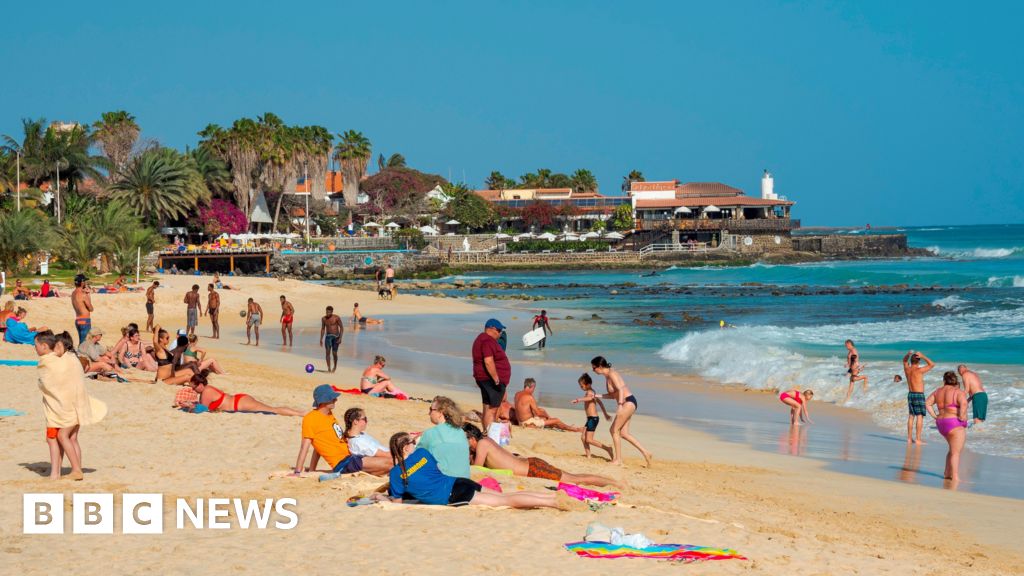
The UK Health Security Agency (UKHSA) has issued a stark travel warning for Cape Verde, urging Britons to exercise extreme caution due to a significant increase in gastrointestinal illnesses, including shigella and salmonella, linked to holidays in the West African archipelago. Since the beginning of October, health authorities have identified a concerning 118 cases of shigella and 43 cases of salmonella among UK travellers. Tragically, this surge in infections has resulted in the deaths of four British individuals who contracted these stomach bugs during their stays in Cape Verde within recent months. The advisory comes at a particularly sensitive time, as the UK prepares for the February half-term holidays, a period when a substantial number of British tourists are expected to flock to the popular winter sun destination.
Shigella and salmonella are both bacterial infections that target the digestive system, manifesting in symptoms such as debilitating diarrhoea, fever, and painful stomach cramps. While many infected individuals experience a full recovery within a week, the infections can pose serious risks to vulnerable populations. Young children, the elderly, pregnant women, and individuals with pre-existing health conditions or compromised immune systems are particularly susceptible to severe symptoms and potentially life-threatening complications. The transmission of these highly contagious bacteria occurs through contact with contaminated faeces. This can happen directly from person-to-person contact or indirectly through the consumption of unclean food or water, or contact with contaminated surfaces.
In response to the growing concern, the UKHSA has provided clear and actionable advice for individuals planning a trip to Cape Verde. Travellers are strongly advised to meticulously practice good hand hygiene, ensuring hands are washed thoroughly and regularly with soap and water or an alcohol-based hand sanitiser. This is particularly crucial after using the toilet, changing nappies, and before preparing or consuming food. Dr. Gauri Godbole, the UKHSA’s Deputy Director for Gastrointestinal Infections and Food Safety, emphasised the critical role of these simple preventative measures. "Taking a few simple precautions against traveller’s diarrhoea and food poisoning can make all the difference," she stated. "The best way to avoid gastrointestinal infections, including shigella and salmonella, or passing them to others, is simply by washing your hands regularly and thoroughly with soap and water or alcohol gel – particularly after using the toilet, changing nappies, and before eating or preparing food."
The UKHSA has pinpointed the popular tourist areas of Santa Maria and Boa Vista as the primary locations associated with the majority of the shigella cases. Santa Maria is a bustling resort town situated on Sal Island, renowned for its pristine beaches and vibrant atmosphere. Boa Vista, the archipelago’s most easterly island, also attracts a significant number of tourists seeking sun and relaxation. Cape Verde typically enjoys pleasant temperatures of around 25 degrees Celsius in February, making it an attractive escape from the winter chill in the UK.
In a statement released following the UKHSA’s warning, the government of Cape Verde expressed its position, stating that according to data collected by the nation’s health authorities, "there is no declared Shigella outbreak in Cape Verdean territory." They further indicated that they had received "no formal notification" from the UK that Cape Verde was the source of an epidemiological outbreak. The Cape Verdean government asserted that the country maintains "active and coordinated health surveillance systems."
This situation has drawn expert commentary. Dr. Damien Tully, an Associate Professor at the London School of Hygiene and Tropical Medicine, previously informed the BBC that outbreaks of shigella are "not unusual, particularly in busy hospitality settings where large numbers of people are eating and sharing facilities." He highlighted that buffet-style catering, common in many tourist resorts, can significantly increase the risk of bacterial and viral transmission, acting as a potential "breeding ground" for infections.
The tragic deaths linked to these stomach bugs have cast a long shadow over travel to Cape Verde. Among the victims are Mark Ashley, 55, from Bedfordshire; Elena Walsh, 64, from Birmingham; Karen Pooley, 64, from Gloucestershire; and a 56-year-old man from Watford. These four individuals are among a total of six Britons who have passed away after holidaying in Cape Verde since January 2023. The families of these deceased travellers are reportedly pursuing personal injury claims against the prominent package holiday firm, Tui. Emma Ashley, wife of Mark Ashley, has publicly voiced concerns regarding the hygiene standards at the resort where she and her husband stayed on Sal. Similarly, Sean Walsh, son of Elena Walsh, has expressed anxieties about the hygiene practices at the hotel where his mother had been a guest. Tui has acknowledged that it is investigating these claims but has refrained from making further public comment due to ongoing legal proceedings.
Adding another layer of complexity to the health situation, Cape Verde was impacted by Hurricane Erin last August. The hurricane caused significant damage to the island’s water and sanitation infrastructure. In the aftermath of the storm, the World Health Organization (WHO) assessed that there was an elevated risk of disease transmission due to contaminated water sources and an increase in disease-carrying insects. This environmental disruption may have exacerbated the conditions conducive to the spread of gastrointestinal illnesses. The combination of these factors – the identified bacterial outbreaks, the tragic loss of life, ongoing legal actions, and the impact of extreme weather events on infrastructure – underscores the gravity of the UKHSA’s travel advisory and highlights the importance of travellers heeding the recommended precautions to ensure their safety and well-being. The agency’s warning serves as a crucial reminder for all holidaymakers to remain vigilant about personal hygiene and to be aware of potential health risks when travelling to popular international destinations.


 Ramos Leo
 atisusanti
 Nakalama John
 George Anjay