
 Nana Banana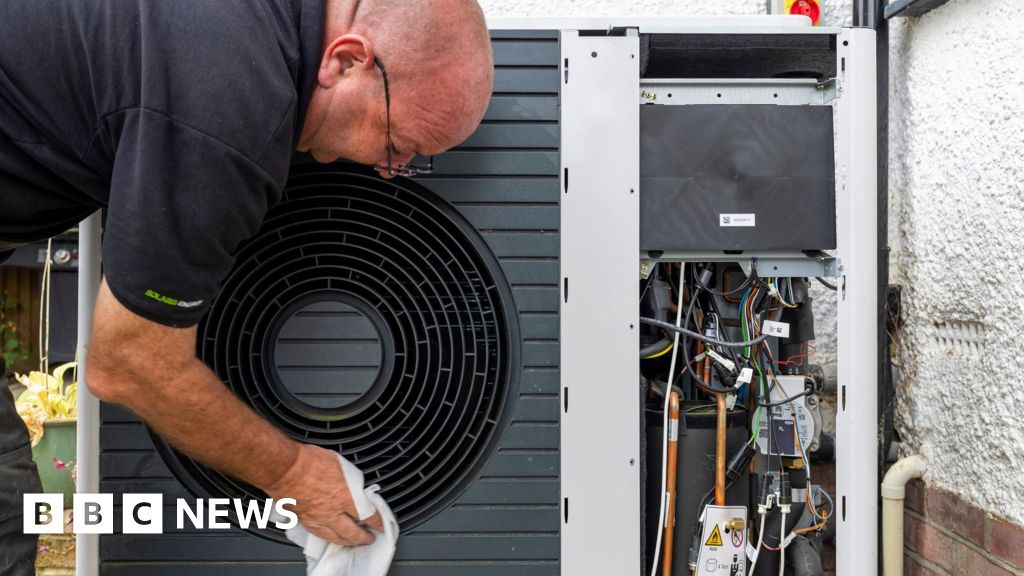
Understanding Heat Pumps: The Mechanics of Green Heating
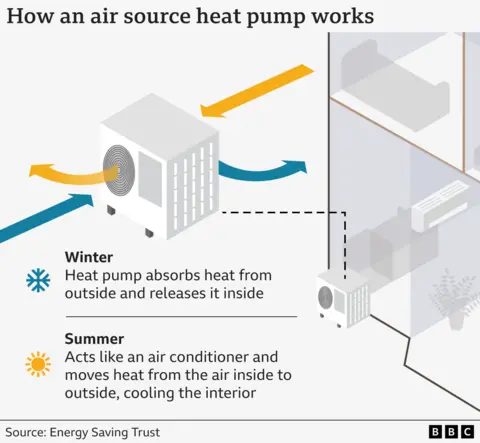
Heat pumps operate on electricity, diverging fundamentally from fossil fuel-based heating systems. Their core principle involves absorbing and amplifying ambient heat from the air, ground, or even water, then transferring it indoors to warm buildings and provide hot water. This highly efficient process positions them as a cornerstone in the global effort to decarbonise heating and combat climate change. Their reliance on electricity means they can increasingly draw power from renewable sources like wind and solar, further diminishing their carbon footprint as the grid becomes greener.
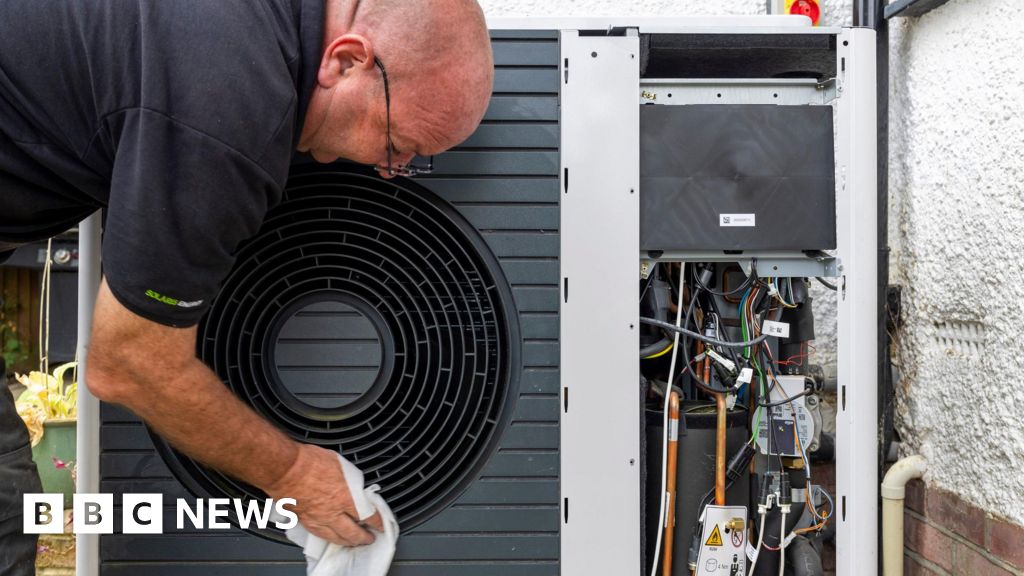
The most prevalent type, air source heat pumps (ASHPs), function by drawing in outdoor air and circulating it over coils containing a refrigerant fluid. Even in cold temperatures, the air contains enough thermal energy to cause the refrigerant to evaporate into a gas. This gas is then compressed, which dramatically increases its temperature. The superheated gas then passes through a heat exchanger, transferring its amplified heat to the home’s heating and hot water system. As the refrigerant cools, it condenses back into a liquid, expands, and the cycle repeats. An ASHP system typically includes an outdoor unit, resembling a large air conditioning unit (approximately 1m x 1m x 0.4m), and an indoor hydro box or cylinder for hot water storage, often comparable in size to a conventional gas boiler and hot water tank combination. This design offers flexibility in placement and is suitable for most property types.
For a deeper dive into their operation, it’s worth noting their Coefficient of Performance (CoP), which measures the ratio of heat energy delivered to electrical energy consumed. A CoP of 3, for instance, means the heat pump produces three units of heat for every one unit of electricity it uses, making it significantly more efficient than electric resistance heating. Seasonal CoP (SCoP) provides a more realistic average efficiency over an entire heating season.
Ground source heat pumps (GSHPs) represent an even more efficient, though generally more complex and costly, alternative. They harness the stable, subterranean temperatures of the earth. This involves either drilling deep boreholes (vertical loops) or excavating a wide, shallow trench for horizontal pipework. A fluid circulating through these buried pipes absorbs geothermal heat, which is then transferred to the heat pump unit indoors. While the installation demands are greater, GSHPs offer superior efficiency due to the ground’s consistent temperature, making them less susceptible to external air temperature fluctuations than ASHPs. Water source heat pumps, utilising nearby rivers, lakes, or even large ponds, offer similar benefits but are geographically limited.
Costs, Grants, and Financial Support
While the long-term benefits are clear, the upfront cost of installing a heat pump has historically been a significant barrier. A typical air source heat pump installation, without grants, can range from £8,000 to £18,000, depending on the property’s size, existing heating system, and complexity of installation. Ground source heat pumps are considerably more expensive, often costing between £20,000 and £35,000, largely due to the extensive groundworks required.
To mitigate these costs, the UK government’s Boiler Upgrade Scheme (BUS) offers a substantial grant of £7,500 towards the installation of either an air source or ground source heat pump for eligible homeowners in England and Wales. This scheme, recently extended until 2029/30 as part of the broader Warm Homes Plan, is crucial in making these technologies more accessible. Eligibility primarily requires the property to have a valid Energy Performance Certificate (EPC) issued within the last 10 years. Crucially, the application process is managed by the certified installer, simplifying the journey for homeowners.
A notable recent change to the BUS rules is the removal of the previous requirement for properties to have existing loft or cavity wall insulation. While this move could save homeowners around £2,500 in upfront preparation costs, it’s vital to stress that a well-insulated home remains paramount for a heat pump to perform at its optimal efficiency and minimise running costs. Insulation ensures that the heat generated is retained effectively, preventing unnecessary energy consumption.
For households with lower incomes and those residing in social housing, the government is bolstering support through the Social Housing Decarbonisation Fund and the Local Authority Delivery (LAD) scheme (Warm Homes Local Grant). These initiatives, backed by an additional £5 billion in funding, target properties with lower EPC ratings (typically D to G) and aim to provide comprehensive energy efficiency upgrades, including heat pump installations, often at no direct cost to the resident. Scotland and Northern Ireland operate their own distinct but complementary schemes, such as Home Energy Scotland and various grants available through NI Direct, with the Warm Homes Plan providing additional funds to these devolved programmes.
Potential Savings and Running Costs
The question of whether a heat pump can genuinely save money is complex, depending on several variables, including energy prices, the heat pump’s efficiency, and the home’s insulation levels. While electricity traditionally costs more per kilowatt-hour (kWh) than gas, heat pumps’ inherent efficiency – using much less energy overall to produce the same amount of heat – can offset this price difference.
Organisations like the Climate Change Committee (CCC) project that as the electricity grid decarbonises and potentially becomes cheaper relative to gas, heat pumps will increasingly become more economical to run than conventional gas boilers. The key to maximising savings lies in leveraging smart energy tariffs specifically designed for heat pump owners. Providers often offer cheaper electricity rates during off-peak hours, allowing homeowners to run their heat pumps more economically or charge domestic batteries. Integrating solar panels with a heat pump system can further enhance savings and energy independence, allowing households to generate their own clean electricity. Nesta, a social charity, has estimated that combining solar panels with a heat pump could lead to annual energy bill savings of nearly £1,000 for an average home, highlighting the synergistic benefits of these green technologies. Long-term maintenance costs for heat pumps are generally lower than for gas boilers, further contributing to overall lifetime savings.
Addressing the Noise Concern
Historically, concerns about noise from outdoor heat pump units were a genuine consideration, with planning permission often required if a unit was placed within one metre of a neighbour’s property. However, advancements in heat pump technology have significantly reduced operational noise levels. Modern units are considerably quieter, and the government has relaxed planning permission rules to accelerate uptake.
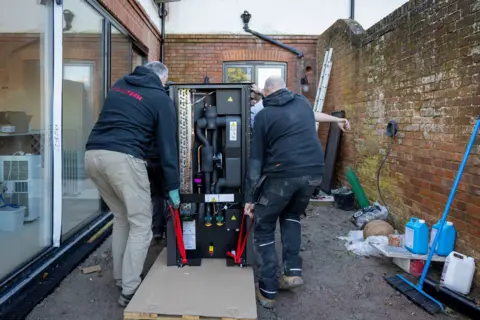
While specific noise levels are still regulated, new units are typically required to operate below 42 decibels (dB). To put this into perspective, 42dB is comparable to the gentle hum of a modern refrigerator, a quiet conversation, or the ambient noise in a library. This makes them far less intrusive than older models or some industrial equipment. The relaxation of planning rules, which previously caused unnecessary hurdles, reflects this improvement, although units must still adhere to specific volume limits and local authority guidelines regarding placement to avoid nuisance. This ensures that while uptake is encouraged, residents’ peace and quiet are still protected. Furthermore, rules regarding the size and number of heat pumps a household can install have also been eased, providing greater flexibility for homeowners.
UK Heat Pump Installation Rates and Future Targets
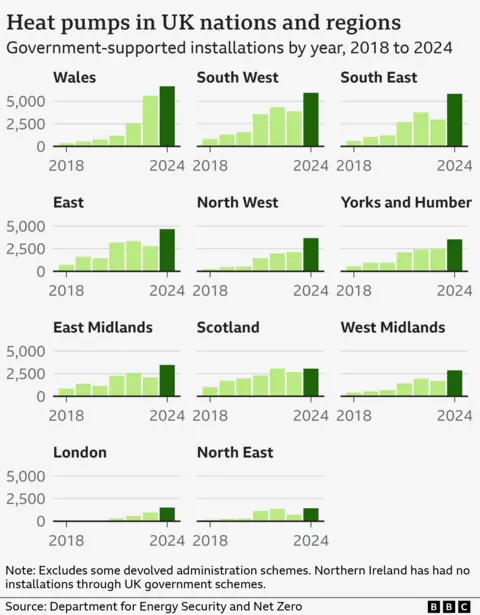
Despite the clear benefits and governmental support, the rate of heat pump installation in the UK significantly lags behind the adoption of gas boilers and is notably lower than in many other major European countries, such as France, Germany, and Italy. This disparity can be attributed to several factors, including the high upfront costs (even with grants), a lingering lack of public awareness, perceived complexity, and a shortage of trained installers.
The Climate Change Committee (CCC) underscores the urgency of accelerating this transition, stating that installations need to surge to nearly 450,000 annually by 2030 and a staggering 1.5 million by 2035 to meet the UK’s ambitious climate targets. This represents a monumental challenge, requiring concerted efforts from government, industry, and consumers alike. Strategies to boost uptake include increasing installer training programmes, launching comprehensive public awareness campaigns, and exploring further policy interventions such as potential future bans on new gas boiler installations.
Beyond Heat Pumps: The Warm Homes Plan’s Broader Scope
The Warm Homes Plan extends its vision beyond just heat pumps, encompassing a wider array of sustainable home improvements. A key component is the proposed Warm Homes Fund, designed to offer low-interest and zero-interest loans for the installation of solar panels and domestic battery storage systems for all households. These technologies, when combined, offer significant advantages, allowing homes to generate their own electricity, store excess energy for later use, reduce reliance on the grid, and further cut energy bills and carbon emissions.
While the government has yet to announce the specific details regarding access to these funds, further information is expected later this year. For low-income households, these technologies will be covered through the existing Social Housing Fund and Local Grant schemes, ensuring that the benefits of a greener, more energy-efficient home are accessible across all socioeconomic strata. The comprehensive nature of the Warm Homes Plan signals a serious commitment to transforming the UK’s housing stock into a more sustainable and cost-effective model for the future.




 George Anjay
 Ramos Leo
 Nakalama John

 atisusanti