atisusanti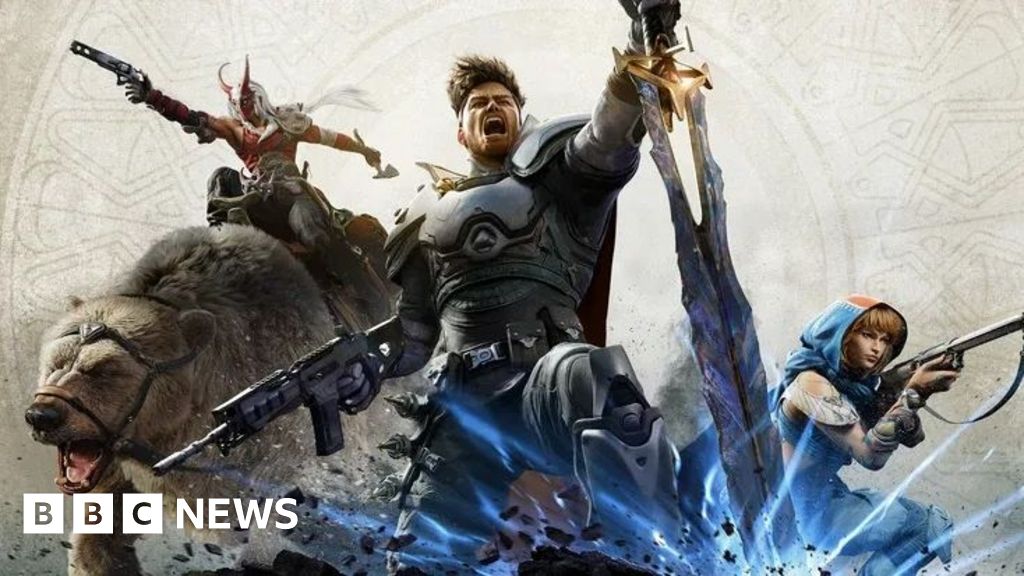
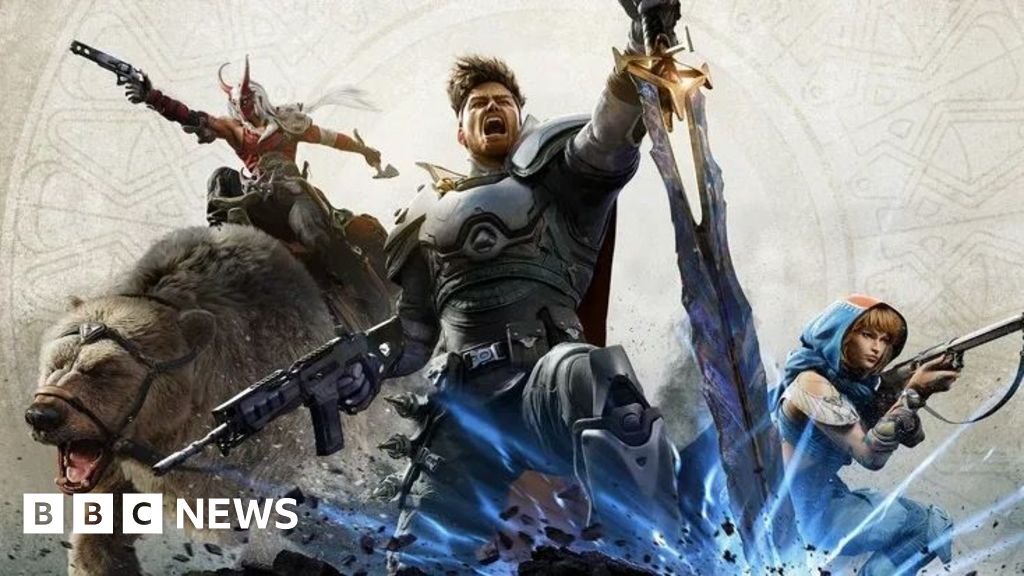
The gaming world is reeling from a stark reminder of the volatile nature of the industry, as Wildlight Entertainment, the studio behind the recently released multiplayer shooter Highguard, has confirmed significant layoffs just two weeks after the game’s launch. This decision comes as a particularly harsh blow given the pedigree of the development team, comprised of industry veterans who have contributed to some of the most successful titles in recent history, including Call of Duty, Apex Legends, and Titanfall. Despite this impressive lineage, Highguard, a free-to-play title, has struggled to gain and maintain player traction since its January release, leading to this difficult organizational restructuring.
The announcement from Wildlight Entertainment, made via a statement on their social media platform, X, conveyed the gravity of the situation. "We have made an incredibly difficult decision to part ways with a number of our team members," the studio stated, a sentiment that underscores the challenging circumstances. This move follows a somewhat perplexing "world premiere" of Highguard at The Game Awards, an event usually reserved for highly anticipated and polished titles. The reveal, however, was met with a muted reception from many viewers, who expressed confusion regarding the game’s prominent placement and a perceived lack of clarity in its trailer. Critics and potential players alike lamented that the trailer failed to adequately articulate the core gameplay mechanics and what truly set Highguard apart in an already saturated market of multiplayer shooters.
Adding to the pre-release concerns, Highguard’s creators faced criticism for a noticeable lack of marketing and communication in the lead-up to its launch. The game’s announcement itself was perceived as being made on short notice, following an extended period of silence from the studio, which did little to build anticipation or provide a clear roadmap for players. When Highguard finally became available on PC, PlayStation, and Xbox on January 26th, initial hands-on previews from the press offered a more optimistic outlook. These early impressions generally lauded the game for its unique approach to the genre, hinting at innovative mechanics and a fresh player experience.
However, the initial reception from the player base has not translated into sustained engagement. Data-tracking website SteamDB revealed that Highguard initially attracted just under 100,000 players on PC, with a concurrent viewership of approximately 380,000 on the streaming platform Twitch. These figures, while not insignificant, have seen a dramatic decline in the weeks following the launch. By the day the layoffs were announced, the game’s concurrent PC player count had dwindled to a mere 3,600. This sharp drop-off in player numbers is a significant indicator of the challenges the game faces in retaining its audience.
Despite the dwindling player base, Highguard has managed to cultivate a dedicated core community of players who remain invested in the game. Prior to these recent developments, the developers had expressed a commitment to the game’s future, outlining a year’s worth of planned updates and content. This suggests that the studio had a long-term vision for Highguard, aiming to continuously evolve and improve the player experience over time. The recent layoffs, however, cast a significant shadow over the feasibility of this roadmap and the long-term viability of the game itself.
It is widely suggested that Highguard faced an uphill battle from its inception. The backlash to its enigmatic Game Awards reveal and the subsequent lack of pre-launch publicity created a significant hurdle that the game has struggled to overcome. The competitive landscape of the hero shooter genre is particularly fierce, with established titans like Apex Legends and Overwatch dominating the market. Overwatch, in particular, recently underwent a massive reboot, further intensifying the competition for player attention and engagement. Highguard, along with other new entrants like the recently released The First Descendant, were attempting to carve out a niche in this crowded space, a task that has proven to be exceptionally difficult.
In the wake of the layoffs, Wildlight Entertainment has reaffirmed its commitment to the future of Highguard, albeit with a significantly reduced team. The studio stated its intention to continue working on the game with "a core group of developers to continue innovating on and supporting the game." This suggests a strategic pivot, focusing on the most passionate and essential members of the team to ensure the continued development and maintenance of Highguard. The statement further emphasized the pride the studio takes in its creation and the talent of its team. "We’re proud of the team, talent, and the product we’ve created together," the statement read, a poignant reflection on the hard work and dedication that went into the game’s development.
The studio also extended its gratitude to the players who have engaged with Highguard. "We’re also grateful for players who gave the game a shot, and those who continue to be a part of our community," Wildlight Entertainment expressed. This sentiment highlights the importance of the remaining player base in the game’s ongoing journey. While the immediate future of Highguard remains uncertain, the studio’s commitment to a smaller, dedicated development team suggests a focused effort to address player feedback, refine gameplay, and potentially rebuild momentum. The success of this strategy will hinge on their ability to re-engage the player base, foster a thriving community, and deliver on the promises of future content, all while operating with a leaner structure. The gaming industry, as evidenced by the Highguard situation, remains a high-stakes environment where even established talent and promising concepts can face immense challenges in achieving long-term success. The coming months will be crucial for Wildlight Entertainment as they navigate the difficult aftermath of these layoffs and strive to give Highguard a fighting chance in a competitive market.




 George Anjay
 Ramos Leo
 Nakalama John